Blistering of concrete surfaces is a commonly encountered surface defect that appears as small, raised, hollow bumps or bubbles on freshly placed or recently hardened concrete. These blisters form when air or water becomes trapped beneath a prematurely sealed surface layer, creating localized pressure that lifts the thin top skin of concrete. While blistering is primarily a surface-level issue, it can significantly affect the durability, abrasion resistance, and long-term performance of concrete floors, pavements, slabs, and industrial surfaces.
Blistering is most frequently observed in flatwork such as industrial floors, warehouse slabs, pavements, parking decks, and large commercial slabs where finishing operations are intensive and environmental conditions are difficult to control. Although blistering does not usually compromise the structural strength of concrete, it often leads to premature surface wear, dusting, scaling, and increased maintenance costs if left untreated.
Understanding the causes, early warning signs, and preventive measures for blistering is essential for contractors, engineers, and site supervisors to ensure high-quality concrete finishes and long-lasting performance.

What Causes Blistering in Concrete?
Blistering occurs due to a combination of material behavior, finishing practices, and environmental conditions. The most common causes include the following:
1. Premature Surface Sealing
One of the primary causes of blistering is finishing the concrete surface before bleeding has completed. When the surface is closed too early through troweling or floating, bleed water and air rising from within the concrete become trapped beneath the sealed layer. As pressure builds, the surface lifts locally, forming blisters.
2. Excessive or Early Troweling
Overworking the concrete surface, especially with power trowels, can densify the top layer prematurely. This creates an impermeable skin that prevents air and moisture from escaping, increasing the likelihood of blister formation.
3. High Slump or High Water Content
Concrete mixes with excessive water content tend to bleed more. If finishing begins while bleeding is still active, the trapped water can lead to blistering once the surface stiffens.
4. Entrapped Air in the Concrete Mix
Poor consolidation or inadequate vibration can leave air pockets within the concrete. During finishing, these air pockets migrate upward and become trapped beneath the surface, forming air blisters.
5. Environmental Conditions
Hot, dry, or windy conditions accelerate surface drying, causing the top layer to stiffen faster than the underlying concrete. This differential setting increases the risk of trapped moisture and air, resulting in blisters.
6. Use of Air-Entraining Admixtures
While air entrainment is beneficial for freeze-thaw durability, excessive air content in flatwork not exposed to freezing can increase the risk of surface blistering if finishing practices are not adjusted accordingly.
Common Areas Where Blistering Occurs
Blistering is most commonly observed in:
- Industrial and warehouse floor slabs
- Commercial building floor plates
- Pavements and sidewalks
- Parking decks and ramps
- Airport aprons and terminal slabs
- Roof slabs and podium decks
- Large-area slabs-on-grade
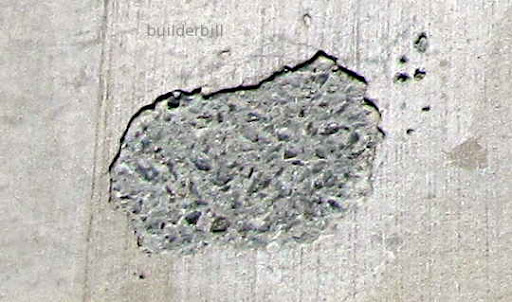
Signs and Symptoms of Concrete Blistering
Early identification of blistering can help prevent further surface damage. Common signs include:
- Small, raised dome-shaped bumps on the surface
- Hollow-sounding areas when tapped lightly
- Blisters that collapse or break under pressure
- Uneven surface texture after finishing
- Localized weak spots prone to abrasion and scaling
- Increased dusting in blistered areas over time
Blisters may appear shortly after finishing or become more visible once the concrete has hardened.
Types of Blistering in Concrete
1. Moisture-Induced Blistering
This type occurs when bleed water becomes trapped beneath a prematurely sealed surface. Moisture blisters are more common in high-slump concrete or under hot weather conditions.
2. Air Blistering
Air blisters form due to entrapped air pockets migrating upward during finishing. These are often associated with inadequate consolidation or excessive finishing pressure.
3. Combined Air and Moisture Blistering
In many cases, blistering results from a combination of both trapped air and moisture. This typically occurs when finishing is rushed and environmental conditions are unfavorable.
How to Prevent Blistering in Concrete Surfaces
Preventing blistering requires a combination of good mix design, proper placement, controlled finishing practices, and environmental management.
1. Proper Timing of Finishing Operations
- Avoid finishing while bleed water is present on the surface
- Allow sufficient time for concrete to stiffen uniformly before troweling
- Delay power troweling until the surface can support the equipment without sealing prematurely
2. Control Concrete Mix Design
- Use an appropriate water-cement ratio
- Avoid excessive water addition at site
- Optimize air content based on exposure conditions
- Use admixtures that reduce bleeding without increasing surface sealing risk
3. Adequate Consolidation
- Ensure proper vibration to eliminate entrapped air
- Avoid over-vibration that may cause segregation
4. Manage Environmental Conditions
- Use windbreaks and sunshades in hot or windy conditions
- Apply fogging to reduce evaporation rates
- Schedule pours during favorable weather when possible
5. Skilled Finishing Techniques
- Use minimal pressure during early finishing passes
- Avoid excessive or repetitive troweling
- Train finishing crews to recognize bleeding behavior
6. Proper Curing Practices
- Delay curing compound application until finishing is complete and surface moisture has stabilized
- Use curing methods that do not trap moisture prematurely

Repair Methods for Blistered Concrete Surfaces
When blistering has already occurred, the choice of repair depends on the severity and functional requirements of the surface.
1. Surface Grinding
Light grinding can remove raised blisters and restore surface flatness. This method is suitable for minor defects.
2. Patching and Filling
Collapsed blisters can be cleaned and filled with compatible repair mortars to restore surface integrity.
3. Concrete Overlays
Polymer-modified or cementitious overlays can be applied to provide a new, durable wearing surface over blistered concrete.
4. Surface Hardening and Sealing
Applying surface hardeners or sealers can improve abrasion resistance and reduce dusting in lightly blistered areas.
5. Full Surface Replacement
In severe cases where blistering is widespread and performance is compromised, removing and replacing the affected surface layer may be necessary.
Impact of Blistering on Long-Term Performance
Although blistering is often considered a cosmetic defect, its long-term implications should not be underestimated. Blistered surfaces are more prone to:
- Abrasion and wear
- Dusting and surface scaling
- Moisture ingress
- Reduced service life
- Increased maintenance and repair costs
Conclusion
Blistering of concrete surfaces is a preventable defect that arises primarily from premature finishing, trapped air or moisture, and unfavorable environmental conditions. While it does not typically affect structural integrity, blistering can significantly reduce surface durability, aesthetics, and long-term performance. By understanding the causes of blistering and implementing proper mix design, finishing practices, environmental controls, and curing methods, construction professionals can minimize its occurrence. When blistering does occur, timely and appropriate repair measures can restore functionality and extend the service life of concrete surfaces.