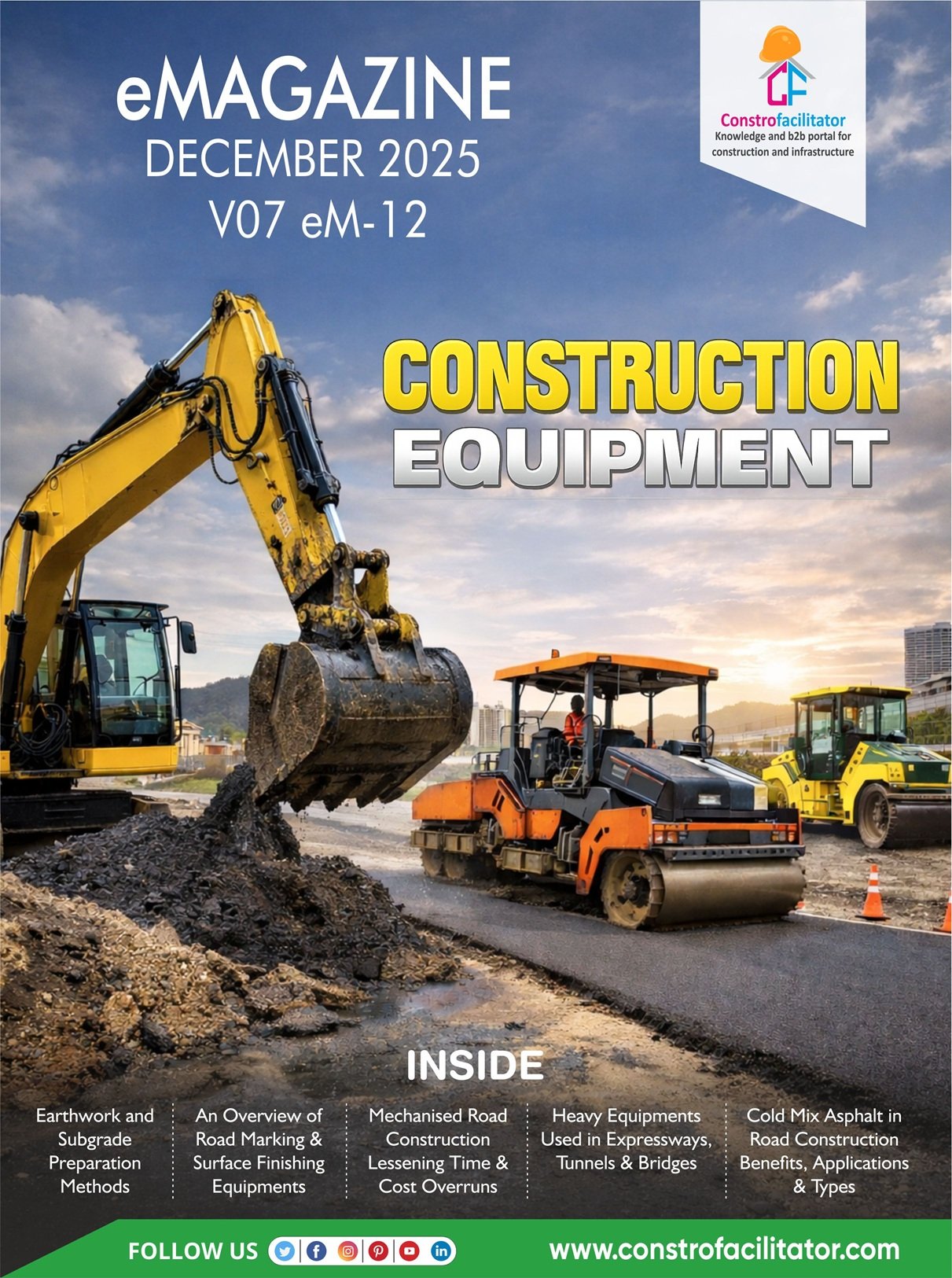
Professional site development is more than just a step in the construction process; it’s a foundation for the future growth and sustainability of a project. Whether for commercial properties, residential areas, or public works, a meticulously planned and executed site can prevent costly mistakes and delays. In regions like Northwest Florida, where the terrain is challenging and the environmental considerations are significant, professional expertise becomes even more vital.
Understanding site development’s crucial role ensures projects meet regulatory compliance, environmental standards, and community expectations. In this article, we explore key insights into why professional site development stands as a cornerstone of successful construction projects, laying the groundwork for a beneficial transformation of the landscape.
Professional Site Development Essentials
Professional site development encompasses a thorough pre-construction phase, ensuring every aspect of the terrain and project requirements has been considered. This planning phase can make or break a project, as inadequate preparation often leads to complications such as soil instability, drainage issues, or regulatory noncompliance.
For instance, in Northwest Florida, site development services in Northwest Florida anticipate the region’s susceptibility to hurricanes and flooding, thus incorporating robust stormwater management systems into their designs. These measures are designed to withstand extreme weather conditions, safeguarding the project and the local environment.
Developers should seek professional guidance to evaluate potential sites, considering factors such as zoning laws, topography, and utility access. Actionable steps include conducting a site analysis and feasibility study before advancing with the design and construction phases.
Key Elements in Site Planning and Design
A successful project balances aesthetic appeal with functionality, where professional site planning and design play a pivotal role. It is crucial to fuse architectural creativity with practicality to create spaces that are visually pleasing and serve their intended purpose smoothly.
For instance, incorporating green spaces and walkways not only enhances the visual appeal of a commercial or residential development but also promotes public health and well-being. Additionally, using sustainable materials and energy-efficient designs can lead to long-term cost savings and environmental benefits.
Construction teams should work closely with planners and civil engineers to integrate these elements seamlessly. Ensuring that infrastructure, landscaping, and aesthetics align with client visions and community standards is fundamental for the long-term success of the development.
Overcoming Challenges in Site Development Projects
Site development projects often encounter challenges ranging from unforeseen subsurface conditions to permit delays. These can escalate costs and extend timelines if not managed proactively. Identifying potential obstacles early in the planning phase is essential for timely and on-budget project completion.
For example, when developers encounter hard bedrock during excavation, it can slow down progress and increase costs. Anticipating such issues with thorough geological surveys and budgeting for potential contingencies can keep projects on track. Furthermore, staying informed of local regulations and community concerns can prevent legal challenges and foster goodwill.
Professional teams must institute adaptable strategies and effective communication channels to anticipate and mitigate these risks. Consistent engagement with stakeholders and regulators can ensure smooth operations throughout the site development life cycle.
Measuring Success in Site Development Initiatives
The success of a site development project is multifaceted, encompassing timely completion, budget adherence, and operational efficiency post-completion. Meeting or exceeding these benchmarks indicates a job well done by the development team.
Project performance indicators might include the percentage of scheduled development milestones achieved on time, the variance between estimated and actual costs, and the satisfaction levels of clients and end-users. For residential projects, this can be quantified through sales rates and community feedback. For commercial sites, tenant occupancy rates and operational efficiencies are key metrics.
Regular reviews and analyses during and after the completion of site development will help to identify areas of improvement, ensuring that future projects can benefit from past learnings. These insights contribute to a continuous cycle of growth and innovation within the industry.
Ultimately, professional site development is a catalyst for constructive change. By prioritizing comprehensive planning, integrating key design elements, overcoming challenges with foresight, and measuring outcomes, developers can ensure their projects stand the test of time. Through expert site development, landscapes transform into functional, sustainable, and vibrant spaces that benefit all stakeholders for years to come.