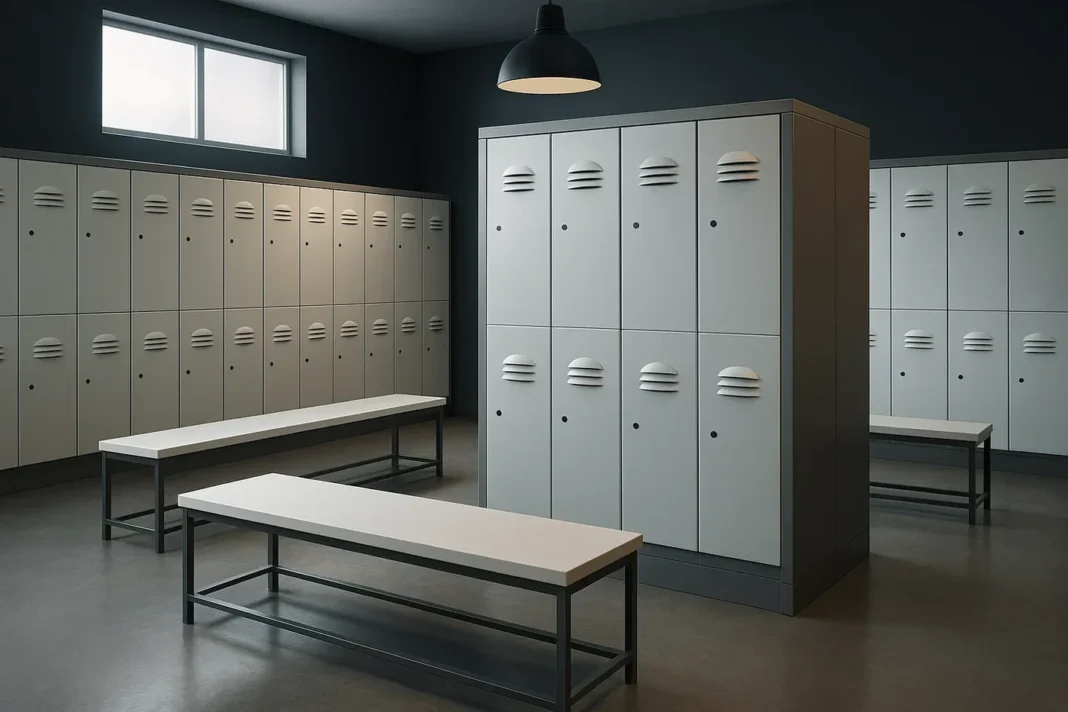
Not gonna lie, I never used to give much thought to lockers. In my mind, they belonged in school corridors and gym change rooms — not in polished office fitouts or council buildings. But that was before I walked into a NSW government hub and saw a wall of custom-toned lockers looking sharp, clean, and — dare I say — architectural.
Turns out, workplace lockers for secure, agile environments are having a renaissance. And for good reason.
In a world of hybrid schedules, shared desks, and compliance checklists as long as your arm, personal storage is no longer a nice-to-have. It’s a critical layer in the infrastructure of a modern, well-organised office.
Why Lockers Are Back (And Better Than Ever)
Just like open-plan offices reinvented how we collaborate, lockers are quietly transforming how we manage our space and our stuff. Today’s models are sleek, smart, and tailored to both aesthetic and functional needs. From field-based teams to top-floor execs, everyone benefits when belongings are secure, out of sight, and easy to access.
And let’s face it — no one wants to start their Monday digging through a desk drawer that looks like a dog’s breakfast.
Lockers bring order to the chaos.
The Real-World Benefits of Office Lockers
- Clutter-free spaces = cleaner workflows and better safety compliance
- Personal storage reduces theft risk and “desk squatting” disputes
- Digital lockers support hybrid rosters and agile work environments
- Custom finishes let facilities managers integrate lockers into branding
More than a storage solution, lockers act as a workplace equaliser — especially in open and hot-desking layouts. Everyone gets a base. A locker is yours, even when your desk isn’t.
From Local Councils to National Agencies: Use Cases That Stick
Just like councils across VIC streamlined hybrid policies in 2023, government departments are now turning to smart locker systems to support rotating teams and secure sensitive materials.
One Brisbane council rolled out an integrated locker wall in their new sustainability precinct. The outcome? Less clutter, fewer lost items, and surprisingly high employee satisfaction scores on the post-move survey.
A Canberra-based transport department, meanwhile, added moisture-resistant laminate lockers to house high-vis gear and tech devices for its mobile crews. For NSW departments, locker planning can even align with official workplace design principles that recommend personal storage in activity-based working environments to support both flexibility and privacy.
Design Matters: What to Consider Before You Install
Fitting out a space? Before you start picking colours and lock types, consider:
- Who’s using them? (Execs, contractors, commuters?)
- What’s being stored? (Uniforms, laptops, PPE, personal items?)
- Where are they placed? (Shared spaces, field depots, high-humidity zones?)
- What’s the access method? (Keyed, combination, app-enabled?)
Smart locker tech is now accessible to medium-sized businesses, not just blue-chip HQs. That means you can offer app-based access, auto-assigned lockers, and cloud-managed control without blowing your entire fitout budget.
If your site faces tough conditions or heavy use, it’s worth investing in heavy-duty storage for industrial and government offices. These units are built to last — stitched up tight as a drum and made to withstand real-world wear.
Lockers and Workplace Wellbeing: The Subtle Link
Here’s something you might not expect: lockers can actually boost employee wellbeing.
A tidy workspace contributes to reduced stress, better focus, and a sense of ownership — all of which feed into mental health and performance. Providing personal storage is a recognised best-practice element of workplace design and safety.
Plus, in offices promoting active commuting (think: cycling to work), lockers paired with end-of-trip facilities help employees feel more supported — and less like they’re carrying the world in a backpack.
Lockers and the Future of Hybrid Infrastructure
The rise of hot-desking, clean desk policies, and part-time office rosters means personal items need somewhere to go. Lockers are the answer.
- Continuity in shared spaces
- A sense of territory in fluid environments
- A low-friction storage solution that doesn’t require floorplan redesigns
When your staff shifts by the day or the hour, lockers create order without friction. They’re easy to assign, simple to reset, and help enforce security protocols without resorting to micro-management.
What Lockers Say About Your Organisation
It might sound strange, but lockers speak volumes about your workplace culture. Whether you’re a regional council, a federal department, or a growing corporate, the infrastructure you choose sends a signal. Modern lockers suggest you’re organised, proactive, and serious about the wellbeing of your staff.
Beyond function, lockers can help express your brand values. Want to project a sustainability-first message? Choose environmentally friendly finishes and modular designs. Want to foster equity in a hot-desking office? Give every employee a personal, secure space they can call their own. Want to streamline workflow? Integrate digital locker systems that assign storage automatically and track usage.
We’ve worked with a Melbourne-based consultancy that redesigned their office with timber-tone lockers that complemented the architecture, enhanced acoustics, and doubled as privacy dividers. Not only did it tidy up the workspace, but it also signalled to visiting clients that this was a team that cared about detail, design, and functionality.
In a hybrid world, where physical presence is flexible, lockers become one of the few constants your people rely on. Done right, they’re not just a storage solution — they’re part of your company’s identity.
Final Thoughts: Don’t Underestimate the Humble Locker
Just like I did, many decision-makers overlook lockers in their early fitout planning. But after three decades of supplying furniture for offices, councils, and public sector spaces across Australia, we’ve seen how a smart locker strategy makes workplaces cleaner, safer, and just plain easier to manage.
It’s one of those low-tech solutions that delivers high-impact results.
For more ideas and use cases, check out this comprehensive guide to office lockers in Australia that covers hybrid layouts, procurement tips, and examples from across the country.