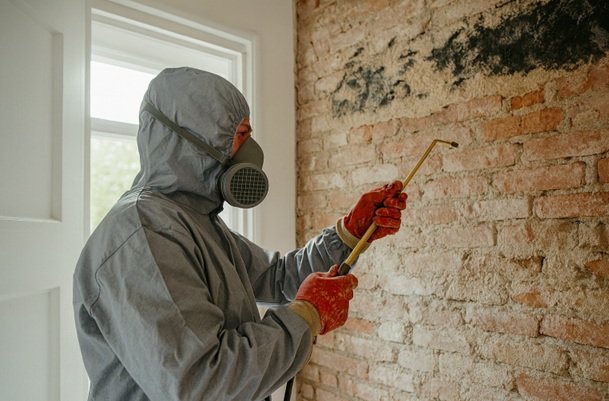
Damp and poor moisture control in UK buildings pose significant risks that often go unnoticed until damage becomes severe. This hidden issue affects the structural integrity of properties, leading to wood rot, weakened foundations, and degradation of insulation. It can quietly reduce a building’s value by 5-10% or more, especially if the damage requires extensive repairs.
The real cost of damp lies not only in visible damage but in long-term financial, health, and legal consequences that affect homeowners and landlords alike. Moist conditions foster mould growth, which can cause respiratory problems and lead to disrepair claims, adding further expense and complexity.
Addressing moisture problems early is essential to protect both the building and its occupants. Understanding how damp develops inside walls and roofs helps clarify why simple superficial fixes often fail, escalating costs over time. This article explores the long-lasting impact of poor moisture control on UK buildings and why effective damp-proofing is critical.
Understanding Damp and Moisture Control
Effective moisture control requires recognising the specific causes, types, and signs of damp in UK buildings. Understanding these elements helps prevent structural damage and long-term expense.
What Causes Damp in UK Buildings
Damps in UK buildings primarily results from excess moisture that fails to escape, creating conditions for mould and decay. Poor ventilation in areas like kitchens, bathrooms, and bedrooms is a common cause, as stagnant air leads to condensation.
Other causes include rising damp, which draws moisture up from the ground through walls, and penetrating damp, where water enters through cracks or damaged roofing. Faulty gutters and leaking pipes also contribute. Warm indoor air hitting colder wall surfaces can cause interstitial condensation, trapping moisture inside walls.
Many older UK properties are at risk due to outdated construction materials and limited damp-proofing measures, making careful moisture management essential.
Types of Damp Problems
There are three main types of damp common in UK buildings: rising damp, penetrating damp, and condensation.
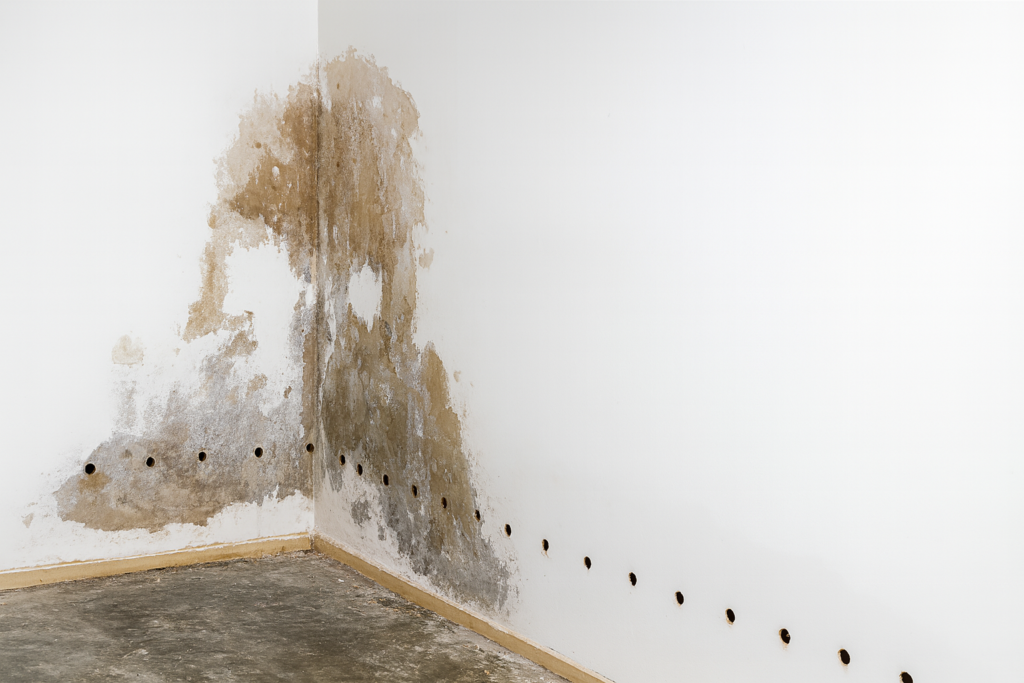
- Rising damp occurs when ground moisture travels up walls, often visible as tide marks and causing salt deposits.
- Penetrating damp happens when external water penetrates the building fabric through cracks or broken roofing.
- Condensation is the build-up of moisture on cold surfaces caused by insufficient ventilation combined with indoor humidity.
Each type affects buildings differently, but all can degrade timber, weaken plaster, and promote mould growth if untreated, risking structural integrity and health.
Common Signs of Damp
Homeowners should watch for persistent musty smells, visible mould patches, or damp stains on walls and ceilings. Peeling or bubbling paint and wallpaper often indicate underlying moisture.
Additional signs include salts appearing as white deposits, damp patches near floors, and warped wood or floorboards. In severe cases, timber decay or crumbling plaster may be evident.
Early detection is crucial as damp can remain hidden for years, causing unseen rot and insulation saturation. Monitoring indoor air quality and structural conditions helps identify problems before they worsen.
Long-Term Structural Impacts of Damp
Poor moisture control in buildings leads to significant, lasting harm that can be costly to repair. It affects key structural elements such as foundations, timber, and metal components. Understanding these specific impacts helps prioritise maintenance and damp-proofing measures effectively.
Damage to Building Foundations
Excess moisture undermines the integrity of building foundations by causing soil movement and weakening structural support. Rising damp, where moisture is drawn up from the ground, can saturate foundation walls, leading to cracking and erosion over time.
Salt deposits carried by damp also crystallise within bricks and mortar, causing material to flake and weaken. This deterioration reduces the load-bearing capacity of foundations, increasing the risk of subsidence. Early detection and intervention are vital to prevent expensive foundation repairs or remedial underpinning.
Timber Decay and Rot
Timber exposed to persistent damp conditions is vulnerable to decay and rot, particularly if ventilation is poor. Fungal growth, such as dry rot and wet rot, thrives in moist environments and breaks down the structural cellulose in wood.
This decay compromises timber frames, joists, and floors, leading to reduced strength and stability. Replacement or extensive treatment of infected timber is often necessary, which can be costly. Maintaining dry conditions and adequate airflow is essential to preserve timber integrity long term.
Corrosion of Building Materials
Metal elements like steel fixings, reinforcements, and pipework suffer corrosion when exposed to damp environments. Moisture accelerates rust formation, which weakens these materials and leads to potential failure.
Corrosion can result in compromised structural connections and leaks within plumbing systems. Preventative damp control and protective coatings help slow corrosion. Neglecting these issues increases maintenance costs and risks safety hazards due to material degradation.
Health and Indoor Environment Risks
Poor moisture control in UK buildings leads to a range of health problems linked to damp and mould. These issues affect respiratory health, increase exposure to allergens, and can worsen existing medical conditions. The indoor environment becomes a significant risk factor when damp is present.
Mould Growth and Respiratory Issues
Mould thrives in damp areas, releasing spores into the air that occupants inhale regularly. Prolonged exposure can cause respiratory problems such as coughing, wheezing, and persistent breathlessness. In severe cases, it may lead to chronic conditions like asthma or hypersensitivity pneumonitis.
The tragic death of a child due to mould-related respiratory illness highlights the risks of unchecked mould growth. Inadequate ventilation worsens mould proliferation, creating a cycle of rising humidity and health hazards. Mould also releases mycotoxins, which can irritate the lungs and airways.
Increased Allergen Exposure
Damp conditions increase indoor allergens beyond mould spores, including dust mites and bacteria. These allergens contribute to allergic reactions such as sneezing, skin irritation, and eye discomfort.
Homes with poor moisture control often have stagnant air, which circulates allergens continuously. This environmental setup increases the risk of developing allergies even in previously unaffected individuals. Effective ventilation and moisture management reduce allergen accumulation.
Worsening of Pre-existing Health Conditions
Damp environments worsen conditions like asthma, chronic obstructive pulmonary disease (COPD), and eczema. The presence of mould and allergens triggers symptoms and complicates management of these illnesses.
Children and elderly residents are particularly vulnerable to complications from damp-related exposures. Increased healthcare visits and medication use are common in affected households. Mitigating dampness directly improves wellbeing for those with chronic health issues.
Economic Consequences of Poor Moisture Management
Poor moisture control in buildings leads to a variety of financial burdens. These include reduced property values, increased costs for repairs and maintenance, and rising insurance expenses. Each factor adds layers of expense that compound over time.
Property Value Depreciation
Buildings affected by damp and mould often see a significant drop in market value. Potential buyers are deterred by visible damage, persistent odours, and concerns over health risks. This reduces demand and forces sellers to accept lower offers.
Damp-related issues signal neglect or costly future repairs, making properties less attractive. Rental properties with moisture problems experience longer vacancy periods and reduced rental yields due to tenant hesitancy.
The negative impact is often not limited to the affected room but can extend throughout the building, further limiting resale options. Valuers may also adjust valuations downwards if damp or mould is identified during inspections.
Rising Maintenance and Repair Costs
Moisture-related damage accelerates the deterioration of building materials such as plaster, wood, and insulation. This increases routine maintenance expenses and shortens the life span of structural elements.
If left unaddressed, damp can cause major repairs like wall replastering, timber treatment, or full replacements of affected components. These costs escalate quickly, especially in older or poorly ventilated buildings.
The financial impact also includes labour, specialised treatment for mould, and possible temporary rehousing during extensive repairs. Preventing long-term damage requires proactive moisture management, which is often less costly than reactive repairs.
Higher Insurance Premiums
Insurance providers view properties with a history of damp and mould as higher risk. Claims related to moisture damage can be expensive and frequent, prompting insurers to raise premiums or exclude coverage for moisture-related issues.
Owners may face increased costs or difficulty obtaining comprehensive buildings insurance. Some insurers require proof of adequate moisture control measures before offering or renewing cover.
These higher premiums add to the overall cost burden for landlords and homeowners. Failure to disclose known issues can lead to claim denial, increasing financial risks.
Prevention and Best Practices for Moisture Control
Controlling moisture in buildings requires targeted strategies that reduce indoor humidity, protect structural elements, and identify early signs of damp. Practical measures focus on airflow management, creating effective barriers to water ingress, and scheduled assessments to catch problems before they escalate.
Effective Ventilation Strategies
Ventilation reduces condensation by removing moist air and improving circulation. Mechanical ventilation, such as extractor fans in bathrooms and kitchens, actively expels humid air. This helps maintain relative humidity below critical levels that cause condensation.
Natural ventilation should be optimised using trickle vents or opening windows at intervals, balancing fresh air intake without excessive heat loss. In newer, airtight buildings, mechanical ventilation with heat recovery (MVHR) systems can control moisture while preserving energy efficiency.
Proper ventilation also reduces mould growth and improves indoor air quality. It is important to monitor ventilation performance regularly and maintain systems to prevent blockages and ensure consistent airflow.
Waterproofing Solutions
Waterproofing stops moisture from penetrating walls and foundations, preventing rising and penetrating damp. Effective methods include damp proof membranes, tanking systems, and applying waterproof sealants to vulnerable exterior surfaces.
External maintenance such as repairing gutters, downpipes, and brickwork reduces water exposure. Masonry protection with breathable coatings prevents water ingress while allowing trapped moisture to escape.
Installing cavity wall insulation and damp proof courses also plays a key role. These barriers interrupt moisture movement, preserving the building fabric and preventing structural damage over time.
Routine Building Inspections
Scheduled inspections identify early moisture issues before they cause serious damage. Professionals check for signs like discoloured walls, damp patches, peeling paint, or musty odours, all potential indicators of moisture problems.
Inspections should include roof checks for leaks, gutter clearing, and assessment of ventilation and waterproofing system conditions. Moisture meters and thermal imaging cameras enhance detection accuracy.
Prompt repair of leaks, improving drainage, and upgrading insulation are often recommended during inspections. Regular monitoring lowers repair costs by addressing damp quickly and maintaining the building’s integrity.
Frequently Asked Questions
Moisture accumulation in UK buildings causes various structural problems, drives up maintenance costs, and degrades indoor air quality. Identifying damp accurately and understanding regulatory requirements are essential for effective management.
What are the long-term structural implications of moisture accumulation in UK buildings?
Persistent moisture can cause timber decay, weakening load-bearing elements. It also leads to salt deposits that damage brickwork and plaster. Over time, this results in cracks and potential structural failure if untreated.
How can inadequate moisture control lead to increased maintenance costs over time?
Ignoring damp issues often means costly repairs later. Replacing damaged timber, treating mould, and fixing cracked walls all add up. Additionally, energy bills may rise due to reduced insulation effectiveness caused by damp.
In what ways does poor moisture management impact indoor air quality and health?
Excess moisture promotes mould and mildew growth, which release spores harmful to respiratory health. This can worsen asthma and allergies, especially in vulnerable occupants. Poor air quality due to damp also increases discomfort and potential illness.
What methods are available for effectively assessing damp problems in properties?
Surveyors use moisture meters, thermal imaging, and visual inspections to detect hidden damp. Identifying sources such as rising damp, penetrating damp, or condensation helps target treatment. Professional assessment is vital to prevent misdiagnosis. https://damps.co.uk/
How do environmental regulations influence the management of damp in UK construction?
Building regulations set standards for moisture control to prevent damp-related issues. Compliance ensures use of approved materials and ventilation solutions. Regulations also promote energy efficiency, indirectly supporting better moisture management.
What preventative measures can be taken to mitigate the risk of damp-related issues?
Installing damp-proof courses and membranes protects walls from rising and penetrating damp. Ensuring adequate ventilation reduces condensation risk indoors. Regular maintenance of gutters and roofs prevents water ingress, while modern damp-proofing treatments offer long-term protection.