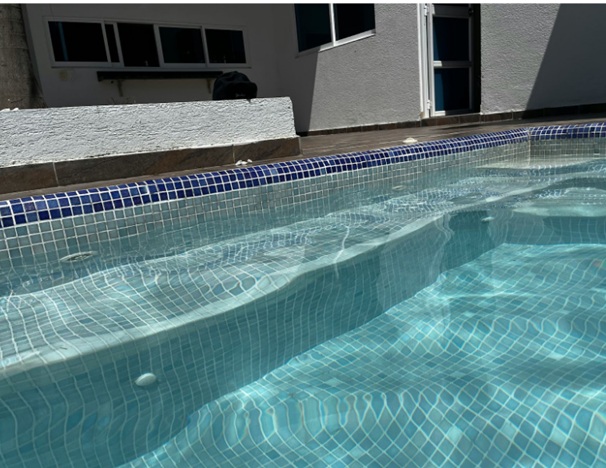
Owning a pool in a subtropical climate comes with unique rewards and challenges. The warm weather means more time for swimming, but it also demands a more attentive approach to pool care.
High temperatures, humidity, and intense sunlight create conditions that can quickly turn a sparkling pool into a murky mess. Understanding how to work with your environment rather than against it is the key to stress-free pool ownership.
Understanding Subtropical Pool Challenges
Subtropical regions experience warm temperatures for most of the year, creating an extended swimming season. However, these same conditions accelerate algae growth and chemical breakdown in pool water.
Humidity prevents proper evaporation and can contribute to water balance issues. Heavy seasonal rainfall adds another variable, diluting chemicals and introducing contaminants.
Strong UV rays break down chlorine faster than in cooler climates. This means your pool requires more frequent testing and chemical adjustments to stay safe and clean.
The Importance of Regular Water Testing
Consistent water testing forms the foundation of effective pool maintenance. In subtropical conditions, testing should occur at least twice weekly during peak swimming season.
The essential parameters to monitor include pH, chlorine levels, alkalinity, and cyanuric acid. Imbalances in any of these can lead to rapid water quality deterioration.
pH levels should remain between 7.2 and 7.6 for optimal swimmer comfort and chemical effectiveness. Levels outside this range reduce chlorine efficiency and can irritate skin and eyes.
Investing in a quality test kit pays dividends through accurate readings and early problem detection. Digital testers offer convenience, while liquid test kits often provide greater precision.
Chlorine Management in Warm Weather
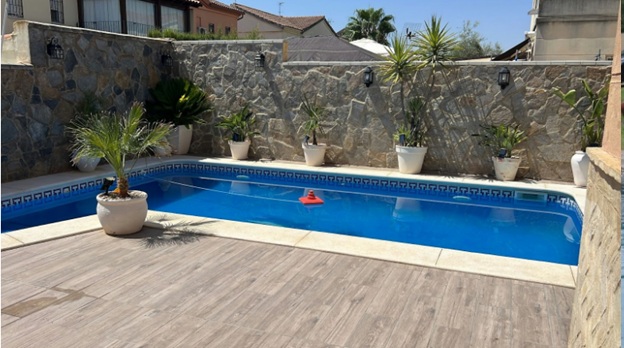
Chlorine works harder in subtropical pools due to higher temperatures and UV exposure. Maintaining adequate sanitiser levels requires vigilance and regular adjustment.
Free chlorine should stay between 2 and 4 parts per million for effective sanitation. Levels below this range allow bacteria and algae to flourish rapidly.
Cyanuric acid acts as a chlorine stabiliser, protecting it from UV degradation. Maintain levels between 30 and 50 ppm to extend your chlorine’s effectiveness without reducing its sanitising power.
Consider using stabilised chlorine products designed for outdoor pools in sunny climates. These formulations help maintain consistent protection despite intense sunlight.
Battling Algae Growth
Algae thrive in warm, sunny conditions, making them a constant threat to subtropical pools. Prevention is far easier than treatment once an algae bloom takes hold.
Green algae is the most common type, appearing as a slimy coating on pool surfaces. Yellow and black algae are more stubborn and require aggressive treatment to eliminate.
Maintaining proper chlorine levels is your first defence against algae invasion. Regular brushing of pool walls and floors removes algae spores before they can establish colonies.
Algaecide treatments provide an additional layer of protection, particularly during the warmest months. Use these products as directed to supplement your regular chlorine regimen.
Filtration and Circulation Essentials
Your filtration system works overtime in subtropical conditions to remove debris and distribute chemicals. Running your pump for 8 to 12 hours daily ensures adequate water turnover.
Clean filters regularly to maintain optimal flow rates and filtration efficiency. Clogged filters reduce circulation and create dead spots where algae and bacteria flourish.
Sand filters require backwashing when pressure rises 8 to 10 psi above normal operating levels. Cartridge filters need removal and housing every few weeks during heavy use periods.
Check your pump basket and skimmer baskets daily during peak season. Leaves and debris accumulate quickly in subtropical gardens and can overwhelm your filtration system.
Managing Heavy Rainfall
Subtropical climates often feature intense seasonal rainfall that dramatically affects pool chemistry. A single heavy downpour can dilute chemicals and introduce phosphates and organic matter.
Test your water immediately after significant rainfall events. You’ll likely need to adjust chlorine, pH, and alkalinity to restore proper balance.
Rainwater is slightly acidic and will lower your pool’s pH over time. Have pH increaser on hand to correct levels quickly after storms.
Consider installing a pool cover to minimise rainfall impact during wet seasons. Covers also reduce debris accumulation and slow chemical evaporation.
Dealing with High Swimmer Loads
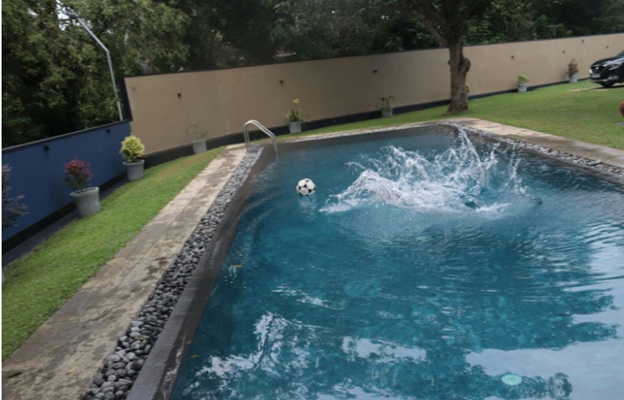
Warm weather encourages frequent pool use, introducing body oils, sunscreen, and other contaminants. Higher swimmer loads demand more aggressive sanitation and filtration.
Shock your pool weekly during periods of heavy use to oxidise organic contaminants. This process breaks down combined chlorine and restores sanitising effectiveness.
Encourage swimmers to shower before entering the pool to reduce contaminant introduction. This simple habit significantly decreases the chemical demand on your pool.
Running your pump for additional hours after pool parties or heavy use helps clear the water faster. Extended filtration removes suspended particles that cloud your pool.
Professional Maintenance Support
While regular homeowner maintenance is essential, professional support ensures nothing gets overlooked. Experienced technicians spot developing problems before they become expensive repairs.
Professional pool services Gold Coast providers offer scheduled maintenance programmes tailored to subtropical conditions. These services take the guesswork out of pool care and guarantee consistent results.
Technicians bring specialised equipment and expertise that complements your daily efforts. They can perform thorough equipment inspections, chemical balancing, and deep cleaning tasks.
Consider professional support especially valuable during peak season or extended holidays. Knowing your pool is in expert hands provides peace of mind when you’re busy or away.
Equipment Care and Longevity
Subtropical conditions stress pool equipment through constant use and exposure to elements. Regular inspection and maintenance extend the life of pumps, filters, and heaters.
Check pump seals and o-rings periodically for signs of wear or leakage. Small leaks waste water and energy while potentially damaging expensive equipment.
Keep equipment areas clear of vegetation and debris to ensure proper airflow. Overheating is a common cause of premature pump failure in warm climates.
Schedule annual professional equipment inspections to catch problems early. Preventive maintenance costs far less than emergency repairs or replacements.
Seasonal Adjustments
Even in subtropical climates, seasonal variations require maintenance adjustments. Summer demands peak attention, while winter allows for reduced chemical and filtration schedules.
During cooler months, you can often reduce pump run times and chemical doses. However, never neglect your pool entirely, as problems develop quickly without basic care.
Prepare for the swimming season by scheduling a thorough spring clean and equipment check. Starting the season with balanced water and serviced equipment prevents early problems.
As summer approaches, gradually increase your maintenance routine to match rising temperatures. This proactive approach prevents the scramble to rescue a neglected pool.
Conclusion
Pool maintenance in a subtropical climate requires understanding and adapting to your environment’s unique demands.
The warm weather that makes your pool so enjoyable also creates conditions requiring vigilant care.
Consistent testing, proper chemical management, and reliable filtration form the core of effective maintenance.
Combining these fundamentals with professional support ensures your pool stays pristine year-round.
Embrace the subtropical lifestyle by mastering your pool’s care requirements. With the right approach, you’ll spend more time swimming and less time troubleshooting problems.