Selling scrap batteries in Melbourne is an easy way to turn unwanted car, lithium, and industrial batteries into instant cash while supporting responsible recycling. With prices based on current scrap metal rates and strict Victorian regulations in place, choosing a licensed recycler ensures safe handling, fair payouts, and environmentally compliant disposal. Explore further information at Metal Men Recycling
Why Sell Scrap Batteries in Melbourne: Cash value, environmental benefits, and VIC legal basics
Cash value and battery recycling benefits
Scrap batteries from car, deep cycle, golf cart, or lithium units stored in your shed or workshop have real cash value. Their lead, nickel, and cobalt content makes them valuable in scrap metal recycling, with reputable buyers paying based on current scrap metal prices while supporting responsible environmental recycling.
Across Melbourne and Victoria, battery recycling supports safe, eco-friendly scrap handling by recovering acid, lead, nickel, and lithium, returning non-ferrous materials to manufacturing through licensed best-practice recyclers.
VIC legal basics and scrap metal disposal
Victoria regulates scrap metal disposal and recycling to protect the environment and prevent theft, requiring licensed facilities to verify photo ID, use electronic payments, and ensure batteries are transported safely in line with Environmental Protection Agency(EPA) Victoria and ADG Code requirements, especially for lithium units.
For readers in the United States, Melbourne, Florida operates under different regulations and market conditions. If you are selling scrap in Melbourne, Florida, always check with a local scrap metal buyer to confirm ID, payment, and handling requirements.
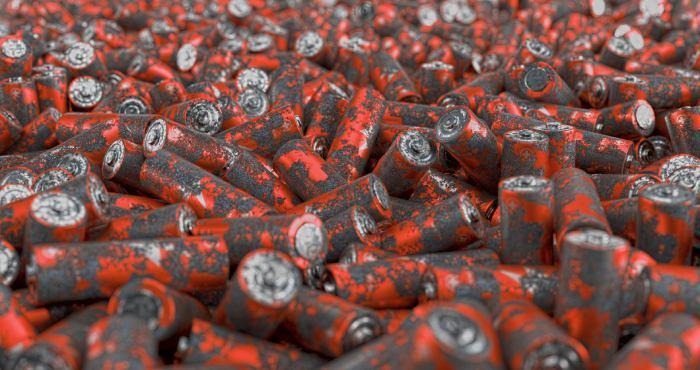
What Scrap Batteries Are Worth: Types (lead-acid, lithium, NiMH), grading, and price factors
- Scrap batteries are valued based on chemistry, condition, and whether they are intact, with prices generally following current scrap metal prices.
- The most common types in Melbourne include lead-acid, lithium-ion, and nickel-metal hydride (NiMH) batteries.
- Lead-acid batteries (car batteries, deep cycle batteries, golf cart batteries) are the most commonly traded and valued mainly for their lead content. Clean, intact units usually achieve better rates.
- Lithium batteries and NiMH packs from EVs, power tools, laptops, and hybrids require specialist handling, and approved recyclers may pay higher prices for well-sorted chemistries.
- Industrial scrap batteries such as forklift batteries, UPS systems, and telecom backup units can deliver higher per-unit value, though transport and palletisation standards apply.
- Scrap battery payouts depend on battery type, grade, condition, quantity, market timing, and compliance costs.
- Because rates change daily, it’s best to request live quotes based on current scrap metal prices.
Preparing for Sale: Safe handling, draining/cleanliness rules, sorting, and transport requirements
Safe handling, draining, cleanliness, and sorting
Before you sell scrap batteries, follow these practical steps:
- Safety first: Wear gloves and eye protection. Use trays or pallets to contain potential leaks, and keep baking soda on hand to neutralise acid. For lithium, isolate damaged packs and tape terminals individually.
- Do not pre-drain: Most licensed facilities prefer intact lead-acid batteries, as draining acid is dangerous, illegal, and may lower value—letting recyclers handle fluids safely.
- Clean and sort: Brush off heavy dirt. Sort by chemistry—lead-acid, lithium, and NiMH—so your load is graded accurately. Keep ferrous scrap metal and unrelated items separate to avoid deductions.
- Document: Take photos and list counts by type. For commercial sellers, include weights and any serials or asset IDs to streamline check-in.
Transport requirements and compliance
Secure batteries upright in strong containers with protected terminals, follow ADG Code requirements, keep metal tools away, and carry valid ID if self-delivering, as many scrap metal buyers also offer pickup for large loads.
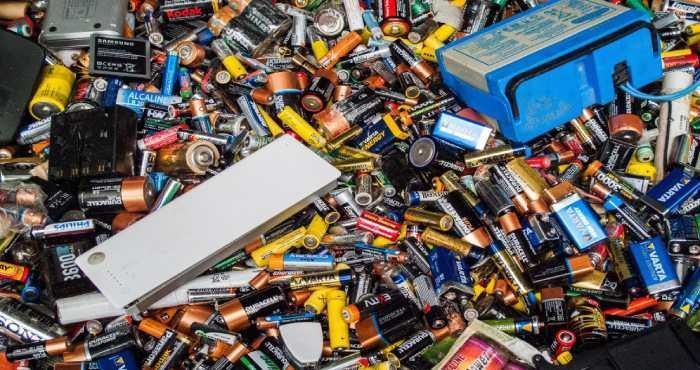
Where and How to Sell Scrap Batteries in Melbourne
- Choose Licensed Scrap Recyclers: Work with licensed scrap metal buyers who follow Victorian regulations, use safe handling systems, clearly list accepted battery types, and ensure compliant, transparent scrap metal disposal.
- Pickup vs. Drop-Off Options: Large or industrial scrap loads often get on-site pickup, while smaller quantities go to drop-off locations or battery shops, some offering combined battery service and recycling.
- ID and Payment Requirements: In Victoria, sellers must show valid photo ID, receive payment via EFT or cheque, and get receipts detailing weights, grades, and pricing for compliant transactions.
- Maximizing Your Payout: Monitor lead and lithium scrap prices, compare quotes from multiple buyers, confirm grading and scale accuracy, and avoid mixing chemistries or delivering damaged batteries without proper containment.
- Practical Tips for Better Returns: Store batteries dry and intact, separate ancillary metals, consolidate car batteries by pallet, and fleets can ensure consistency with regular pickups.
- Note for Melbourne, Florida Sellers: In Melbourne, Florida, rules, pricing, and accepted materials vary, so always check local requirements, battery types, and current scrap metal prices before visiting.