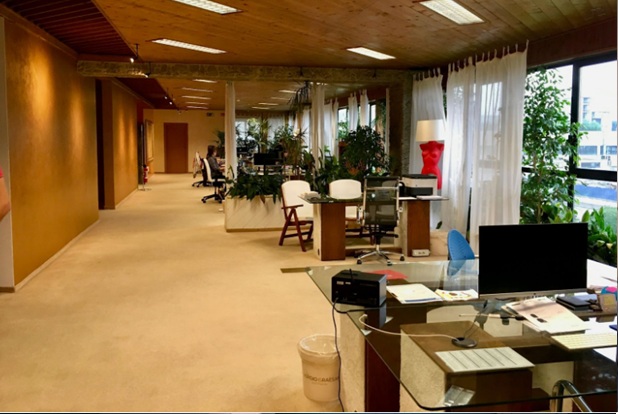
Professional business environments communicate organizational values, support employee productivity, and shape client perceptions from the moment visitors arrive.
Every element of commercial premises contributes to overall impressions and operational effectiveness. Understanding how both workspace design and facility maintenance combine to create exceptional business environments guides strategic property investments.
The Impact of Professional Environments
Business premises serve as physical manifestations of organizational identity and professionalism.
Clients, partners, and potential employees form judgments based on facility quality within seconds of entering. These immediate impressions influence business relationships, recruitment success, and competitive positioning significantly.
Employee productivity correlates directly with workspace quality and environmental comfort. Staff spending eight or more hours daily in commercial spaces deserve environments supporting their effectiveness and well-being.
Investment in quality premises returns value through enhanced performance, reduced turnover, and improved morale.
Competitive markets demand facilities matching or exceeding industry standards and competitor offerings.
Outdated, poorly maintained premises disadvantage businesses regardless of service quality or product excellence. Keeping facilities current protects market position while supporting business development efforts.
Property values and lease negotiations both reflect premises condition and improvement investments.
Well-maintained, recently upgraded spaces command premium valuations and rental rates. Strategic facility investment protects asset values while enhancing operational effectiveness.
Transforming Office Workspaces
Office environments have evolved dramatically as work patterns and employee expectations continue changing.
Traditional cellular offices have given way to collaborative spaces, flexible workstations, and activity-based environments. Modern office design responds to these shifts while accommodating diverse work styles and requirements.
Technology integration requirements have transformed office infrastructure demands substantially.
Power access, data connectivity, video conferencing capabilities, and wireless coverage all require thoughtful planning. Contemporary offices must support seamless technology use throughout all work areas.
Professional office fitout companies bring expertise in creating workspaces that balance aesthetics, functionality, and budget realities.
These specialists understand how design choices impact productivity, collaboration, and employee satisfaction.
Their experience guides businesses toward solutions that truly enhance operations rather than merely updating appearances.
Space planning optimizes available square footage for maximum utility and comfort. Efficient layouts accommodate required functions without overcrowding or wasted space.
Professional planning ensures every area serves purposeful functions supporting business operations.
Acoustic management addresses noise challenges in open and collaborative office environments.
Sound-absorbing materials, strategic layouts, and acoustic treatments create comfortable environments despite activity levels.
Proper acoustic design enables concentration while maintaining collaborative atmosphere benefits.
Lighting design significantly impacts both productivity and energy consumption in office environments.
Natural light optimization, quality artificial lighting, and appropriate task illumination all contribute to effective workspaces. Modern LED systems deliver superior light quality while reducing operating costs substantially.
Office Design Elements
Reception areas create critical first impressions for every visitor entering business premises. Quality finishes, comfortable seating, and professional presentation establish expectations for entire organizations.
Investment in reception design delivers disproportionate returns through enhanced visitor perceptions.
Meeting rooms support collaboration, client presentations, and confidential discussions essential to business operations.
Appropriate sizing, technology integration, and acoustic privacy enable effective meetings. Quality meeting facilities demonstrate professionalism while supporting productive interactions.
Breakout spaces provide informal collaboration zones and mental respite from focused work activities.
These areas support creativity, relationship building, and employee well-being through environmental variety. Thoughtful breakout design enhances workplace culture while supporting diverse work modes.
Workstation design balances individual needs against spatial efficiency and budget constraints. Ergonomic considerations, storage requirements, and technology access all influence appropriate workstation specifications. Quality workstations protect employee health while supporting productive work.
Storage solutions address practical requirements for files, supplies, and personal belongings. Adequate storage prevents clutter accumulation that undermines professional appearances and productivity. Integrated storage planning ensures functionality without consuming excessive floor space.
The Critical Role of Facility Amenities
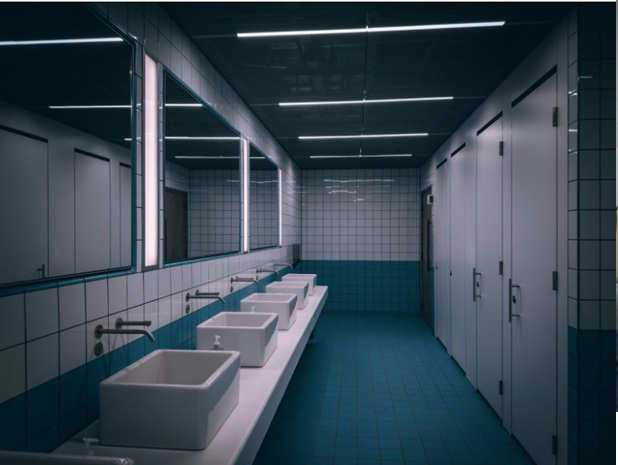
Beyond primary workspaces, supporting facilities significantly impact overall premises quality and user satisfaction. Kitchens, bathrooms, and common areas all contribute to daily experience quality. Neglecting these supporting spaces undermines investments in primary workspace improvements.
Employee expectations regarding amenity quality have risen substantially in recent years. Staff compare facilities against previous employers, competitors, and modern standards continuously. Meeting these expectations supports recruitment, retention, and daily satisfaction.
Bathroom facilities particularly influence perceptions of overall premises quality and management standards.
Clean, functional, well-maintained bathrooms signal organizational attention to detail and employee care. Conversely, poor bathroom conditions create disproportionately negative impressions regardless of other facility qualities.
Professional bathroom repairs Sydney services ensure commercial bathroom facilities remain functional, hygienic, and presentable.
Expert plumbers address issues promptly before minor problems escalate into major disruptions. Their specialized knowledge of commercial bathroom systems delivers reliable repairs that consumer-focused plumbers may struggle to match.
Plumbing problems in commercial bathrooms create immediate operational impacts affecting entire workforces.
Non-functioning toilets, blocked drains, and leaking fixtures disrupt business operations while creating health concerns.
Rapid professional response minimizes these disruptions while protecting employee welfare.
Preventive maintenance programs identify developing issues before failures occur during business hours.
Scheduled inspections catch worn components, developing leaks, and potential blockages proactively. This preventive approach proves far more economical than emergency repairs while avoiding operational disruptions.
Water efficiency upgrades reduce operating costs while demonstrating environmental responsibility. Modern fixtures use significantly less water than older installations without sacrificing performance. These upgrades deliver ongoing savings while supporting sustainability commitments.
Amenity Maintenance Standards
Cleaning protocols for commercial bathrooms must exceed residential standards due to higher usage intensity.
Professional cleaning services maintain hygiene standards, protecting employee health. Regular deep cleaning supplements daily maintenance, ensuring consistently acceptable conditions.
Ventilation adequacy prevents moisture accumulation, causing mold growth and unpleasant odors. Properly functioning exhaust systems protect both building materials and occupant health. Ventilation maintenance should accompany other bathroom upkeep activities.
Fixture quality in commercial bathrooms must withstand heavy use while maintaining appearance and function.
Commercial-grade toilets, taps, and accessories outperform residential products in demanding environments. Specification of appropriate commercial fixtures reduces maintenance frequency and replacement costs.
Accessibility compliance ensures bathroom facilities accommodate all users regardless of physical capabilities.
Regulatory requirements mandate specific provisions, while good practice often exceeds minimum standards. Accessible facilities demonstrate inclusive organizational values while meeting legal obligations.
Kitchen and Break Area Care
Staff kitchens require similar attention to bathrooms in maintaining hygiene and functionality. Plumbing fixtures, appliances, and surfaces all need regular maintenance and periodic replacement. Quality kitchen facilities support employee wellbeing while preventing pest and hygiene problems.
Appliance maintenance prevents breakdowns that inconvenience staff and potentially create safety hazards.
Regular servicing of refrigerators, dishwashers, and cooking equipment extends lifespan while ensuring safe operation. Scheduled maintenance proves more economical than reactive repairs or premature replacement.
Cleaning standards in kitchen areas must address food safety concerns alongside general tidiness.
Professional cleaning services understand commercial kitchen requirements exceeding normal office cleaning scopes. Proper kitchen hygiene protects employee health while preventing pest infestations.
Coordinating Improvements and Maintenance
Strategic planning coordinates major improvements with ongoing maintenance effectively. Understanding which elements need immediate attention versus longer-term upgrading guides resource allocation. Comprehensive facility planning prevents both neglected maintenance and poorly timed improvements.
Budget allocation balances capital improvements against operational maintenance requirements.
Both categories deserve adequate funding for premises to achieve and maintain professional standards. Systematic budgeting ensures neither improvements nor maintenance suffer from resource constraints.
Contractor relationships across different trades facilitate responsive service and quality outcomes.
Established relationships with reliable fitout specialists, plumbers, electricians, and cleaners ensure available support. Building these relationships before emergencies arise enables effective responses when needs become urgent.
Scheduling coordination minimizes business disruption during improvements and maintenance activities.
After-hours work, phased approaches, and planning all reduce operational impacts. Thoughtful scheduling demonstrates respect for business operations while achieving facility objectives.
Employee Involvement and Feedback
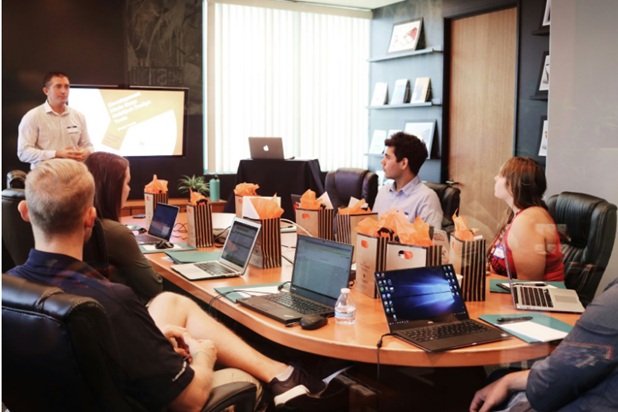
Staff input identifies facility issues and improvement opportunities that management might overlook. Employees experiencing spaces daily notice problems and have ideas for enhancements. Structured feedback mechanisms capture this valuable intelligence systematically.
Communication about planned improvements and maintenance builds understanding and patience.
Explaining schedules, expected disruptions, and intended benefits maintains positive attitudes during work. Transparent communication demonstrates organizational respect for employee experience.
Post-improvement feedback confirms whether changes achieved intended outcomes effectively. Employee responses to completed work guide future improvement priorities. This feedback loop ensures facility investments address actual rather than assumed needs.
Health and Safety Considerations
Regulatory compliance regarding workplace facilities protects both employees and organizations.
Building codes, occupational health standards, and accessibility requirements all apply to commercial premises. Understanding and meeting these obligations prevents penalties while protecting occupants.
Risk assessment identifies potential hazards in both workspaces and amenity areas. Proactive hazard identification enables mitigation before incidents occur. Regular assessment maintains safe environments despite changing conditions and uses.
Emergency systems, including exits, lighting, and alarms, require regular testing and maintenance. These critical safety systems must function reliably whenever emergencies arise. Documented testing demonstrates compliance while ensuring actual protection.
Return on Facility Investment
Quality facilities support business development through enhanced client impressions and successful recruitment. These soft returns prove difficult to quantify but significantly impact business performance. Professional premises contribute to competitive advantage across multiple dimensions.
Employee productivity gains from improved environments often exceed facility investment costs within several years. Reduced turnover, decreased absenteeism, and enhanced performance all deliver measurable returns. These productivity benefits compound over time, amplifying initial investment value.
Property value increases from quality improvements that protect and enhance asset values. Well-maintained, recently upgraded premises command premium valuations in sales or lease negotiations. Strategic facility investment builds wealth while delivering operational benefits.
Conclusion
Professional business premises require attention to both impressive workspaces and well-maintained supporting facilities.
Office improvements create productive, attractive environments while essential amenity care ensures functional, hygienic supporting spaces. Together, these elements create complete business environments that serve organizations effectively.
Investment in comprehensive facility quality demonstrates organizational professionalism while supporting employee satisfaction and productivity. From reception areas through workspaces to bathroom facilities, every element contributes to overall premises quality.
Businesses that recognize this holistic relationship and invest accordingly create environments that attract clients, retain employees, and support operational success throughout years of productive use.