Concrete, for all its strength and versatility, has one persistent weakness, it cracks. While most cracks are small and often considered cosmetic, they can lead to much larger durability issues over time. One of the most common and early types of cracking is plastic shrinkage, which occurs within just a few hours after concrete is placed. During this short window, surface moisture evaporates faster than it can be replenished, and as the concrete begins to dry, fine cracks appear on the surface.
These cracks, though hairline in nature, allow moisture and aggressive chemicals to seep in. Over time, this leads to corrosion of the reinforcement, staining, and loss of durability. Builders and engineers have long searched for ways to control these cracks without making concrete mixes overly complex or expensive. One simple and highly effective solution has been the addition of polypropylene fibers, also known as PP fibers.
Why Fibers Are Added to Concrete
The idea behind adding fibers to concrete is quite straightforward: introduce a network of small, flexible reinforcements that hold the mix together as it sets. These fibers are distributed throughout the concrete, helping it resist the formation of cracks caused by shrinkage, temperature changes, and minor stresses.
Unlike steel bars or meshes, which work once concrete has hardened, fibers act early, during the plastic or semi-set stage. They help prevent cracks from forming at all, rather than merely controlling their width after they appear. This early-stage control makes a big difference in the long-term strength, appearance, and service life of a concrete surface.
Manufacturing Process
- The manufacturing of PP fibers involves several controlled thermoplastic processes designed to ensure consistent quality and dispersion ability:
- Polymerization: Propylene monomers undergo catalytic polymerization to form isotactic polypropylene resin pellets.
- Extrusion: The pellets are melted and forced through spinnerets to create continuous filaments.
- Drawing: The filaments are stretched to align polymer chains, enhancing tensile properties.
- Crimping (optional): Mechanical crimping improves bonding and anchorage within cement paste.
- Cutting: The drawn filaments are chopped into desired lengths.
The Role of Polypropylene Fibers
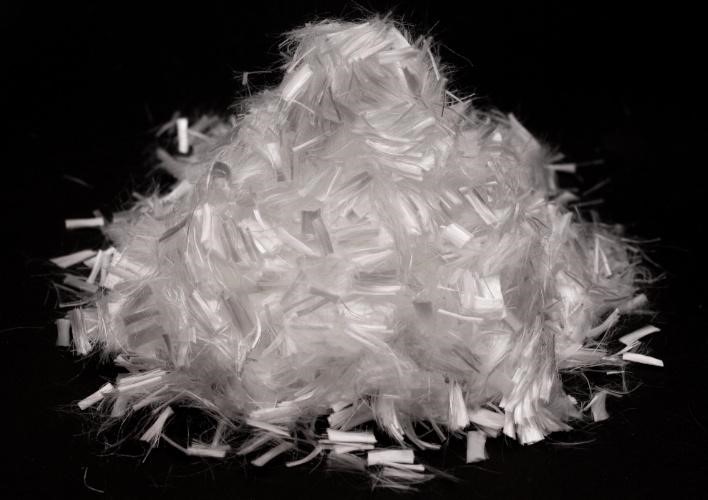
Polypropylene fibers are fine strands of synthetic material made from a type of plastic called polypropylene. They are light, flexible, and completely non-corrosive. When added to a concrete mix, these fibers disperse evenly and create a kind of microscopic web throughout the mix.
- They hold the mix together as it begins to lose water.
- They bridge tiny microcracks that develop as the concrete dries.
- They reduce bleeding and segregation.
- They prevent the rapid formation of visible surface cracks.
While these fibers don’t make concrete “stronger” in the sense of load-bearing capacity, they greatly improve surface durability and resistance to early-age damage. This means fewer repairs, better-looking finishes, and longer service life — all achieved with a relatively small addition to the mix.
Common Applications
Polypropylene fibers are now widely used across different areas of construction. Some common applications include:
- Industrial floors and pavements: To prevent surface cracks caused by drying shrinkage and heavy wear.
- Precast concrete products: To reduce cracking during mould removal and transportation.
- Water-retaining structures: To enhance impermeability in tanks, canals, and reservoirs.
- Shotcrete and tunnel linings: To improve adhesion and reduce rebound during spraying.
- Bridge decks and slabs: To limit thermal cracking caused by temperature fluctuations.
- Repair mortars and overlays: To ensure long-term crack resistance in patching applications.
Their versatility allows engineers to use them in nearly every type of concrete work — from decorative surfaces to large infrastructure projects.
Advantages of Using Polypropylene Fibers
The benefits of using PP fibers go beyond crack control. They offer several additional performance and practical advantages:
- Durability: The surface remains denser and more watertight, reducing damage from weather and chemical exposure.
- Improved finish quality: The concrete surface looks smoother and maintains its finish for longer.
- Reduced maintenance costs: Since cracks are minimized, there’s less need for patching or surface repair over time.
- Corrosion resistance: The fibers themselves don’t rust or react chemically, making them ideal for humid or marine environments.
- Ease of use: Fibers can be added directly into the mixer without any special tools or equipment.
- Safety and sustainability: Being non-toxic and lightweight, they’re safer to handle than steel reinforcements, and newer versions even use recycled plastic.
Types of Polypropylene Fibers
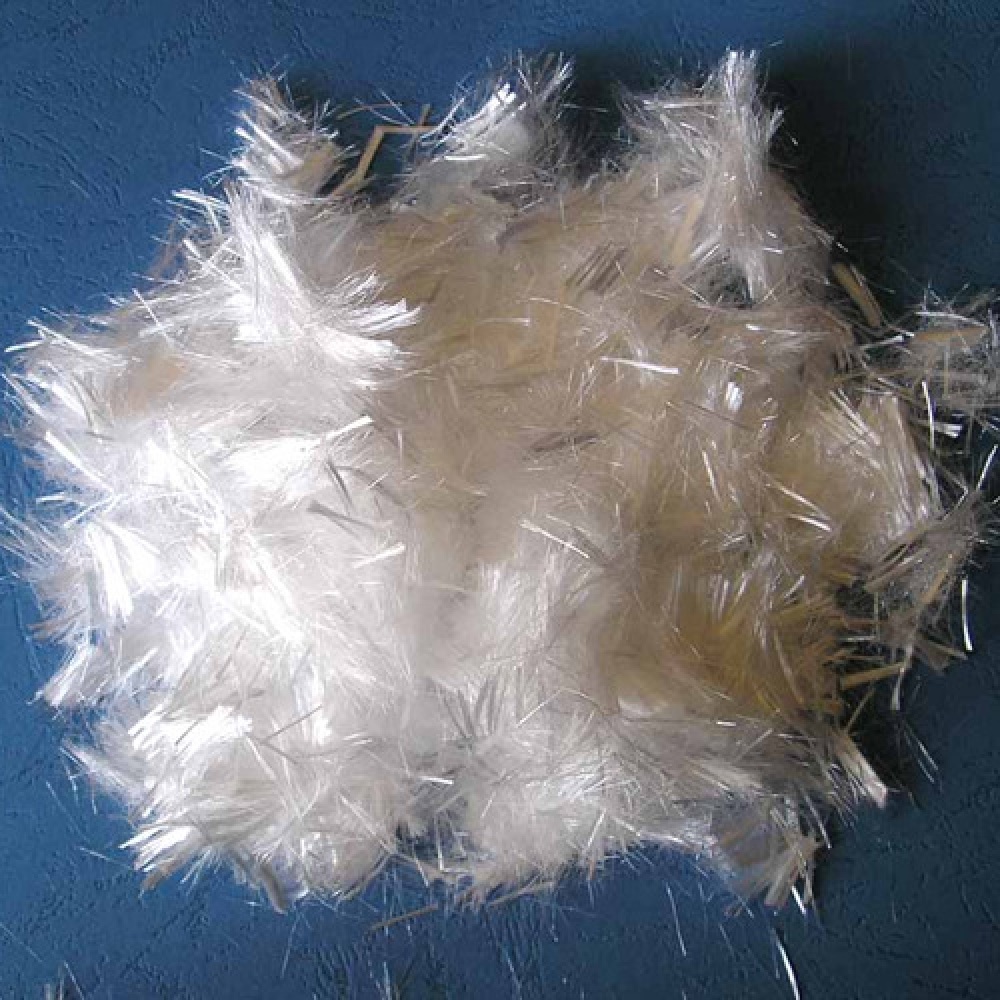
Not all polypropylene fibers are the same. They are designed in different shapes and sizes to perform specific roles in various types of concrete. Generally, they can be grouped into three main types:
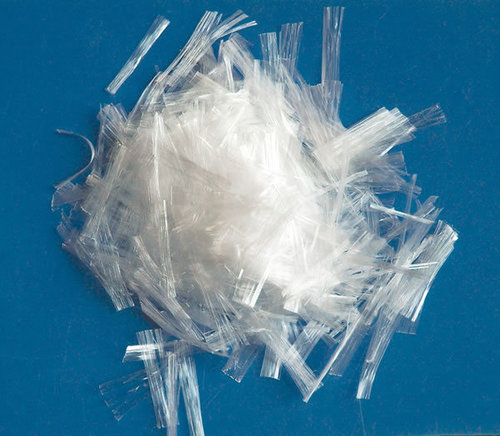
- Micro Monofilament Fibers: These are extremely fine, hair-like fibers that are most effective in controlling plastic shrinkage cracks. They are used in flooring, pavements, precast elements, and plaster. Their presence makes concrete more cohesive and less prone to surface drying.
- Fibrillated Fibers: Instead of being smooth, these fibers have a net-like or mesh structure. This gives them more surface area and allows them to “lock” better into the concrete matrix. Fibrillated fibers improve bonding and are used where higher resistance to shrinkage and settlement cracking is desired.
- Macro Fibers (Blended or Structural): These are thicker and longer versions, often used alongside microfibers. Macro polypropylene fibers provide toughness and impact resistance and can replace light steel mesh in certain non-structural applications like slabs-on-grade, overlays, and industrial floors.
Standards and Specifications
PP fiber-reinforced concrete usage is covered under several international and Indian standards:
- ASTM C1116 / C1116M: Standard Specification for Fiber-Reinforced Concrete.
- ASTM C1579: Test Method for Evaluating Plastic Shrinkage Cracking.
- EN 14889-2: Polymer Fibers for Concrete — Specifications.
- IS 456:2000 (Annex F): Guidelines for fiber addition in concrete
- IRC:SP:46-2013: Use of fiber-reinforced concrete in road works.
Fiber Reinforcement and Sustainability
One of the growing areas of interest in construction is sustainability. While polypropylene is derived from petroleum, the use of recycled polypropylene fibers is becoming more common. These fibers are made from post-consumer plastic waste, such as packaging and bottles, which would otherwise end up in landfills.
By improving the durability and lifespan of concrete structures, polypropylene fibers also reduce the frequency of repairs and replacements. This leads to lower material consumption and a smaller carbon footprint over a project’s lifecycle. In that sense, fiber-reinforced concrete is both environmentally and economically sustainable.
Practical Considerations on Site
For all their benefits, successful use of polypropylene fibers depends on proper mixing and finishing. The fibers should be added gradually during mixing to ensure they disperse evenly. Modern pre-packaged, water-soluble bags make this easy — they dissolve during mixing, releasing the fibers automatically. Good finishing techniques help avoid any fiber ends being visible on the surface.
When used correctly, PP fibers don’t change the basic behavior of concrete in terms of workability or setting. They simply add a layer of protection during the important early hours when cracking is most likely to occur.
The Future of Fiber-Reinforced Concrete
The role of fibers in concrete has grown rapidly over the past decade. What began as a specialized material for industrial use has now become mainstream in residential, commercial, and infrastructure projects. Polypropylene fibers, in particular, are leading this shift because they combine performance, ease of use, and affordability.
As the construction industry continues to adopt greener and more durable practices, fiber-reinforced concrete is expected to become a standard rather than an exception. The integration of recycled fibers and the development of hybrid blends that combine polypropylene with other materials will further enhance performance while reducing environmental impact.
Conclusion
Cracks in concrete are inevitable, but with the right materials, they can be controlled and minimized. Polypropylene fibers offer a simple yet highly effective way to make concrete more durable, attractive, and long-lasting. By strengthening the concrete at its most vulnerable stage, these tiny fibers play a big role in building stronger, more sustainable structures for the future. Their use reflects a broader change in modern construction: a shift from repairing problems after they occur to preventing them from happening at all. In this sense, polypropylene fibers aren’t just an additive – they represent a smarter, more resilient way of building.