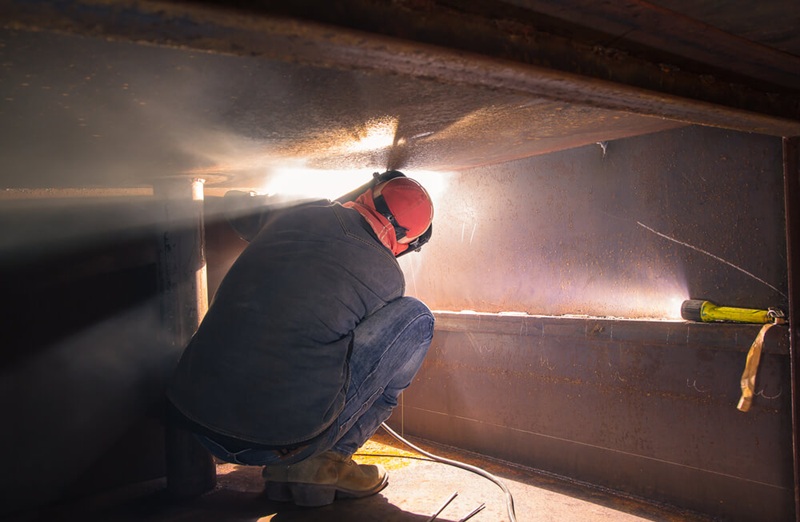
Construction sites are hazardous places to work, and confined spaces are among the most perilous of all construction site activities. These spaces are often poorly ventilated and difficult to enter and exit.
When these factors are combined with the common construction site danger of heavy equipment and possibility of electrical or hazardous material issues, you can quickly see how a confined space could become a deadly environment for a worker.
To counter minimize these risks, the Occupational Safety and Health Administration (OSHA) has established precise rules addressing confined spaces in construction work, starting with the definition of confined space. It is critical for employers and workers to understand and follow OSHA’s rules and regulations. This guide outlines the most important parts of the agency’s confined space regulations for the construction industry. It pinpoints necessary definitions, details permits, relevant training, and identifies common safety problems that people managing confined spaces should avoid.
Understanding the Definition of Confined Space
Prior to putting safety measures in place, it’s essential to understand what OSHA means by a confined space. As per OSHA’s definition, a confined space possesses three key traits:
- It is sufficiently spacious for an employee to enter and conduct work
- Access is slightly or not at all allowed
- Not intended for continuous occupancy
Confined spaces are not all dangerous, but some are so hazardous they require special entry permits for workers to go inside. A space is classified as “permit-required” if the atmosphere can become toxic, if an entering worker could become engulfed by materials in the space, or if there are other serious hazards that make working inside a confined space especially dangerous.
Permit-Required vs. Non-Permit Confined Spaces
OSHA distinguishes between permit-required confined spaces and non-permit spaces. A permit-required confined space is a space that contains or has the potential to contain a hazardous atmosphere, materials that could engulf a worker, or other safety or health hazards. As for non-permit spaces, they require caution. But they don’t necessitate the same level of supervision and documentation.
The Role of the Competent Person
In construction, the worksite must be evaluated by someone qualified to be the “competent person” recognized by OSHA. This person understands the definition of confined space, identifies such spaces, and determines whether they are permit-required. The competent person must have the authority and knowledge to recognize hazards and take prompt corrective actions.
Training and Entry Procedures
Confined space entry isn’t something workers should take on lightly. It’s a right granted to workers by OSHA, only after they have undergone rigorous training. That’s because the work can be deadly, with these dangerous spaces claiming 90 lives each year, on average, according to OSHA. These deaths occur mainly because of oxygen-deficient atmospheres; toxic air; and hazards like flames, flooding, and falling objects.
Following OSHA Standards and Implementing Common Sense Protocols Keeps Workers Safe
Construction work in confined spaces is inherently risky. To make it less dangerous, simply complying with the law is not enough; a proactive safety program is needed. The best way to achieve that is to understand and implement OSHA’s definitions and guidelines, recognize where permit-required confined spaces are, and establish rigorous training procedures to keep workers out of harm’s way.