
Moving house ranks somewhere between public speaking and visiting the dentist on most people’s list of stressful life events. There’s something uniquely overwhelming about packing up your entire life into cardboard boxes, coordinating logistics across multiple parties, and trying to remember where you put your toothbrush amidst the chaos. Yet despite the universal dread that accompanies the mere mention of moving day, millions of people successfully navigate relocations every year.
The difference between a move that feels like a disaster movie and one that unfolds smoothly often comes down to planning, preparation, and knowing when to call in professional help. Whether you’re downsizing to a cozy apartment, upgrading to a family home, or relocating your business to new premises, understanding the process and avoiding common pitfalls can transform your moving experience from nightmare to manageable project.
This guide walks you through everything you need to know about planning and executing a successful move, from the initial decision to relocate through to settling into your new space. We’ll explore the hidden challenges that catch people off guard, share practical strategies that actually work, and help you understand when DIY enthusiasm should give way to professional expertise.
The Hidden Complexity of Moving
Most people dramatically underestimate what’s involved in moving. You might think you own a reasonable amount of stuff until you start packing it. That’s when reality hits: the overflowing kitchen drawers, the mysterious items lurking in the back of closets, the garage that somehow accumulated a decade’s worth of “I might need this someday” items.
The physical labor is just one dimension. Moving touches every aspect of your life simultaneously. You’re coordinating utility disconnections and connections, updating your address with dozens of organizations, arranging time off work, possibly navigating lease agreements or property settlements, and trying to maintain some semblance of normal life while your entire household is in transition.
Timing creates another layer of complexity. Most rental agreements and property settlements operate on fixed dates with little flexibility. Miss your moving deadline, and you could find yourself paying for two properties simultaneously or, worse, temporarily homeless with nowhere to store your belongings. This time pressure turns what should be a methodical process into a frantic race against the calendar.
Then there’s the emotional dimension that rarely gets discussed. Moving means leaving behind familiar surroundings, neighborhood connections, and the comfort of knowing exactly where everything is. Even when you’re excited about your destination, there’s often an undercurrent of loss and anxiety about the unknown. This emotional load, combined with physical exhaustion and logistical stress, explains why moving ranks so high on life stress scales.
The financial implications extend beyond the obvious costs. Beyond hiring movers or renting trucks, you’ll encounter unexpected expenses: additional packing materials because you ran out, cleaning supplies for both properties, possible storage fees if timing doesn’t align perfectly, takeaway meals because your kitchen is packed, and the inevitable replacement items you discover are broken or missing post-move.
Creating Your Moving Master Plan
Success in moving starts weeks, or ideally months, before moving day. A comprehensive plan serves as your roadmap through the chaos, helping you stay organized when everything feels overwhelming.
Begin with a realistic timeline. Eight weeks gives you breathing room for a typical household move, though you might need more time for large homes or complex relocations. Break this timeline into weekly goals: week one focuses on research and decision-making, week two on decluttering, weeks three through six on systematic packing, week seven on final preparations, and week eight for the actual move and immediate settling.
Decluttering deserves its own focus because it directly impacts every other aspect of your move. Every item you pack, transport, and unpack costs time, effort, and potentially money. Moving presents the perfect opportunity to evaluate what you actually need versus what you’re keeping out of habit or guilt. Adopt a ruthless mindset: if you haven’t used something in two years and can’t imagine a specific scenario where you’ll need it, it’s time to let it go.
Create a room-by-room inventory as you declutter. This serves multiple purposes: it helps you estimate packing materials needed, gives you a baseline for insurance purposes, and makes unpacking more organized. You don’t need to catalog every fork and knife, but noting major items and box contents pays dividends later.
Gathering supplies ahead of time prevents last-minute panic. You’ll need more boxes than you think, plus packing paper, bubble wrap, tape, markers, and labels. Start collecting boxes early from local shops, or invest in proper moving boxes that stack reliably and protect your belongings better than random cardboard. Don’t forget specialty items like wardrobe boxes for hanging clothes or dish packs for fragile kitchenware.
Develop a labeling system that works for you. Simple room names work, but adding content descriptions and priority levels (unpack first, unpack eventually) makes settling into your new place infinitely easier. Color-coding by room using colored tape or markers helps movers know where everything goes without constantly asking questions.
Understanding Your Options for Professional Help
At some point in your planning process, you’ll face a crucial decision: attempt a DIY move or hire professionals. This isn’t just about budget, though cost certainly factors in. It’s about honestly assessing your capabilities, resources, and what your time and wellbeing are worth.
The DIY route appeals to those with tight budgets, relatively small loads, and able-bodied friends willing to help. It offers maximum control and flexibility over timing. However, it also means you’re responsible for everything: sourcing a suitable vehicle, coordinating helpers, managing the physical labor, and dealing with any issues that arise. That amazing deal on a rental truck seems less amazing when you’re attempting to navigate it through narrow streets while simultaneously directing well-meaning but inexperienced friends carrying your grandmother’s antique dresser.
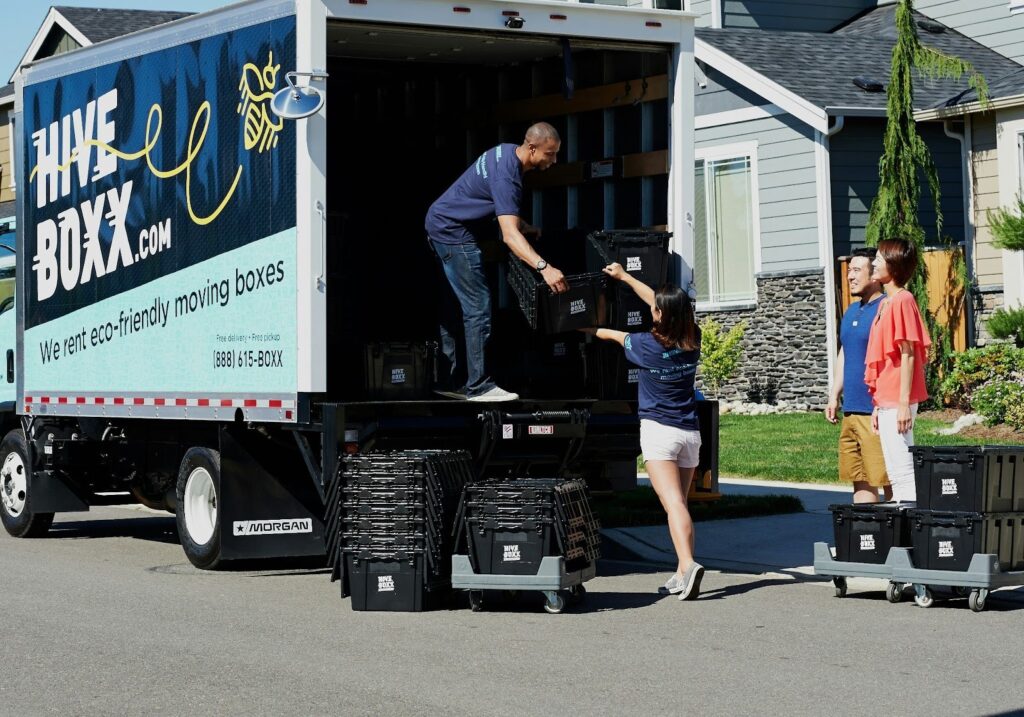
Professional moving services exist across a spectrum. At the basic level, you can hire labor-only help to load and unload while you handle the driving. This hybrid approach saves money while protecting your back and your furniture. Moving up the scale, full-service options handle everything from packing through to unpacking at your destination.
When researching removalist companies Brisbane or any professional movers in your area, focus on reputation and reliability over rock-bottom pricing. Check reviews across multiple platforms, verify proper licensing and insurance, and get detailed written quotes that outline exactly what’s included. The cheapest quote often comes with hidden costs or corners cut in ways you’ll regret. Quality removalists offer peace of mind: they have the right equipment, experience handling delicate and bulky items, insurance covering damage, and efficiency that comes from doing this work daily.
Moving Day Essentials
Regardless of whether you’re managing the move yourself or working with professionals, moving day requires specific preparations to run smoothly. Start by packing an essentials box that stays with you rather than going in the truck. This should include medications, important documents, phone chargers, basic toiletries, a change of clothes, snacks, and anything else you absolutely need immediate access to.
Protect your properties at both ends. Lay down floor protection on high-traffic areas to prevent damage from dirty shoes and dragged furniture. Doorways are particularly vulnerable to scrapes and dents, so consider temporary padding. Take photos of both properties before moving day to document their condition, protecting yourself from disputes about damage.
If you have pets or small children, arrange for them to be elsewhere on moving day. The combination of open doors, strangers moving through the house, and general chaos creates stress for animals and safety concerns for little ones. Having them safely cared for elsewhere lets you focus completely on the move.
Create a clear walkthrough plan with your movers or helpers. Discuss which items require special care, what goes where in the new property, and any access issues they should know about. Clear communication prevents mistakes that waste time and potentially damage belongings.
Keep important phone numbers easily accessible: your real estate agent, the utility companies, your moving company contact, and anyone else you might need to reach. Moving day has a way of generating unexpected questions and challenges, and fumbling through your phone while balancing boxes isn’t ideal.
Stay hydrated and take breaks. Moving is physically demanding, and in summer heat particularly, pushing through without rest invites injury or illness. Having water and snacks easily available keeps everyone’s energy up and spirits positive.

Settling Into Your New Space
The work doesn’t end when the truck pulls away. How you approach unpacking significantly impacts how quickly your new place feels like home. Resist the temptation to leave boxes stacked in corners indefinitely. Set a goal to fully unpack within two weeks while the momentum is still there.
Start with the essentials: bedrooms, bathroom, and kitchen. Being able to sleep comfortably, shower, and prepare basic meals makes everything else manageable. Once these core areas function, tackle remaining rooms systematically rather than bouncing around randomly.
Use this opportunity to organize better than you did in your previous place. Don’t just replicate old systems because they’re familiar. Think about how you actually use your space and what would make daily life easier. That awkward corner in the kitchen might be perfect for a new coffee station. Your new closet layout could finally support the organizational system you’ve always wanted.
Update your address everywhere, not just the obvious places. Beyond utilities and subscriptions, remember your driver’s license, vehicle registration, voter enrollment, bank, insurance providers, employer, and loyalty programs. Missing one usually surfaces at the worst possible time.
Introduce yourself to neighbors when you get the chance. You don’t need to host a barbecue the first week, but a friendly wave and brief introduction helps establish positive relationships with the people you’ll be living near.
Take time to explore your new area. Locate the nearest supermarket, pharmacy, medical facilities, and other essential services. Finding your favorite coffee shop, walking routes, or local parks helps the new area start feeling like your territory rather than foreign ground.
The Bottom Line
Moving will probably never make anyone’s list of favorite activities. The disruption, physical effort, and emotional adjustment are real challenges that shouldn’t be minimized. However, with proper planning, realistic expectations, and willingness to invest in professional help where it makes sense, you can absolutely navigate relocation without the disaster scenarios that dominate moving horror stories.
The key is starting early enough that you’re working ahead of the timeline rather than constantly playing catch-up. Give yourself permission to invest in services that ease the burden, whether that’s professional packing, cleaning services for the old property, or full-service movers. Your time, energy, and peace of mind have value that sometimes outweighs the cost savings of doing everything yourself.
Remember that moving marks a beginning as much as an ending. Yes, you’re leaving behind familiar surroundings, but you’re also opening the door to new experiences, spaces better suited to your current needs, and opportunities that come with change. The temporary chaos of moving fades quickly, but the benefits of being in the right place often last for years.
Approach your move as a project with defined stages, manageable tasks, and a clear endpoint. Break the overwhelming whole into smaller pieces you can tackle one at a time. Ask for help when you need it, celebrate small victories along the way, and trust that the chaos is temporary. Before you know it, you’ll be settled into your new space, boxes will be broken down and recycled, and moving day will be a memory rather than your current reality.
Your next chapter awaits. With the right preparation and support, getting there can be far less painful than you might imagine.