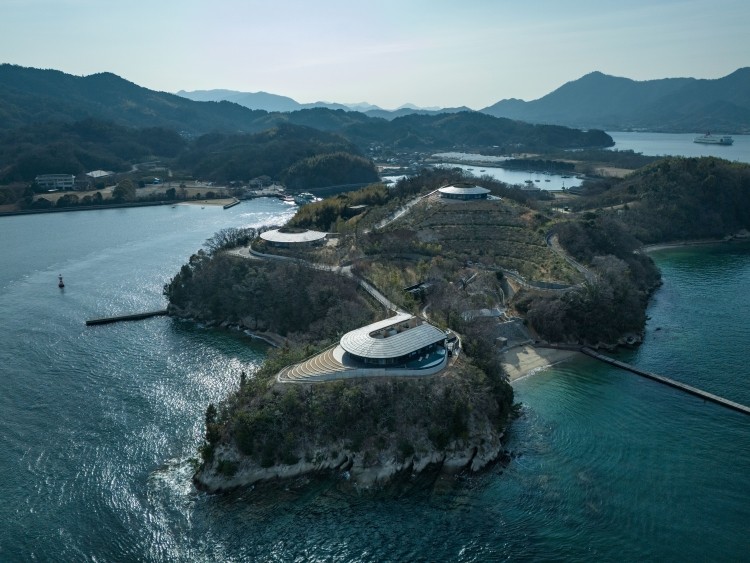
On the serene Sagishima Island in Japan’s Setouchi Inland Sea, “NOT A HOTEL SETOUCHI” is officially opened, marking a major milestone for the globally acclaimed Bjarke Ingels Group (BIG). Founded by Danish architect Bjarke Ingels, the firm is known for its innovative and context-sensitive architecture across continents. This project represents BIG’s first completed work in Japan, bringing its global design philosophy into one of the country’s most tranquil and visually rich landscapes.
Set within a region defined by calm waters, scattered islands, and an almost meditative atmosphere, the project is not merely conceived as a place to stay. Instead, it is designed as a spatial experience—one that allows occupants to connect deeply with nature while engaging with architecture in a meaningful way.
Architecture That Becomes the Landscape
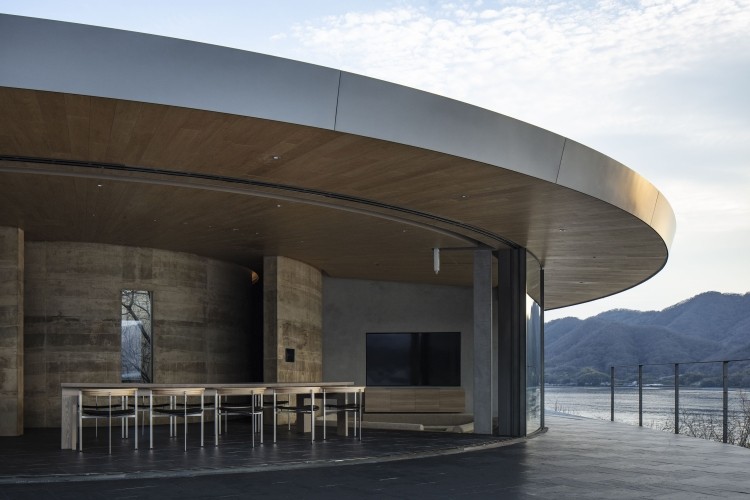
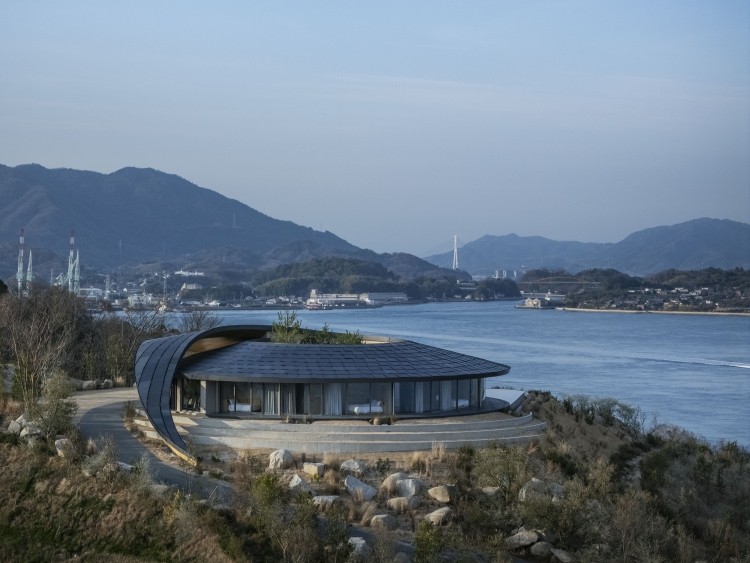
One of the most striking aspects of NOT A HOTEL SETOUCHI is how it dissolves into its surroundings. Rather than standing apart as a distinct object, the building emerges as a continuation of the terrain itself. Its cascading rooflines mirror the gentle slopes of the island, while its low, horizontal form reflects the calm expanse of the sea.
This approach ensures that the structure does not overpower the landscape but instead becomes part of it. The design philosophy emphasizes harmony over dominance, allowing the architecture to quietly coexist with nature.
Key design features include:
- Rooflines that echo the island’s natural contours
- A low-profile structure that blends into the horizon
- Carefully positioned openings framing panoramic sea views
- Seamless integration of indoor and outdoor spaces
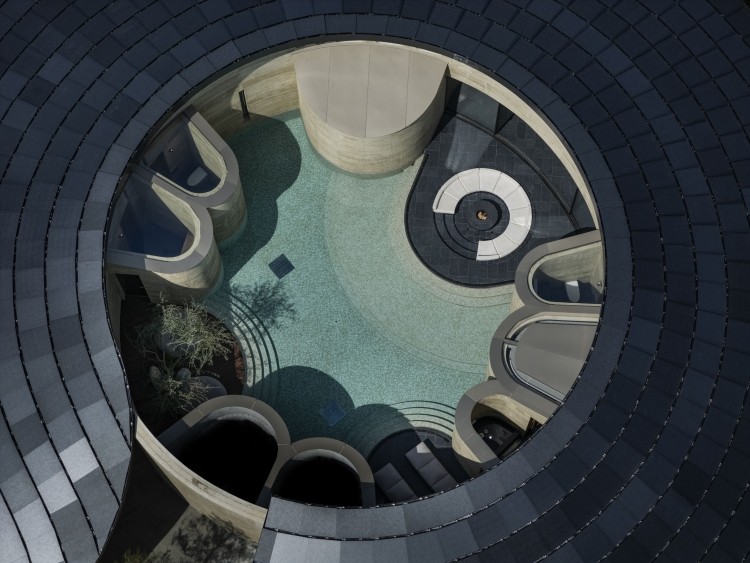
Large glass openings allow natural light and ventilation to flow freely, enhancing the sense of openness. The boundaries between interior and exterior are softened, creating a continuous spatial experience where the surrounding environment is always present.
A Refined Expression of BIG’s Design Approach
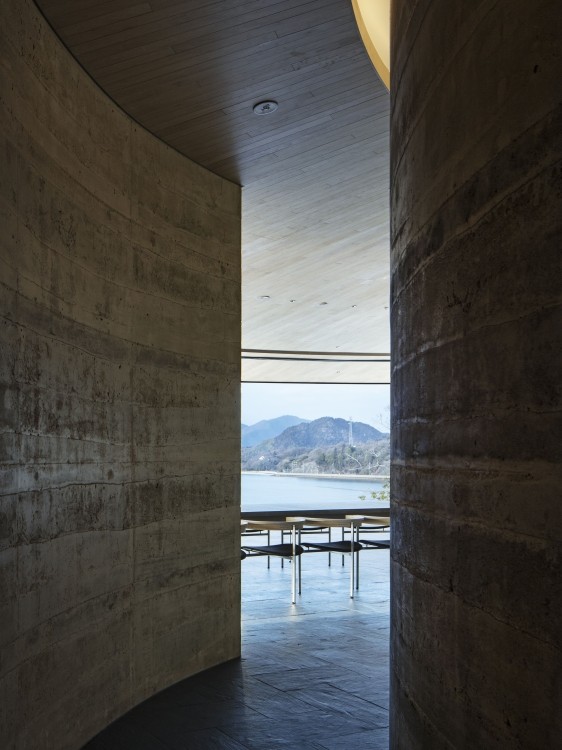
While BIG is often associated with bold and iconic architecture, this project reflects a more restrained and thoughtful direction. Instead of dramatic forms, the design is driven by sensitivity to context, proportion, and materiality.
This shift highlights an important evolution in the studio’s approach:
- Greater emphasis on environmental integration
- Subtle, site-responsive design language
- Focus on spatial experience over visual spectacle
- Balance between functionality and emotional resonance
The result is an architecture that feels calm, grounded, and deeply connected to its setting. It demonstrates how simplicity, when executed with precision, can create a powerful impact.
Designed for Living, Not Just Viewing
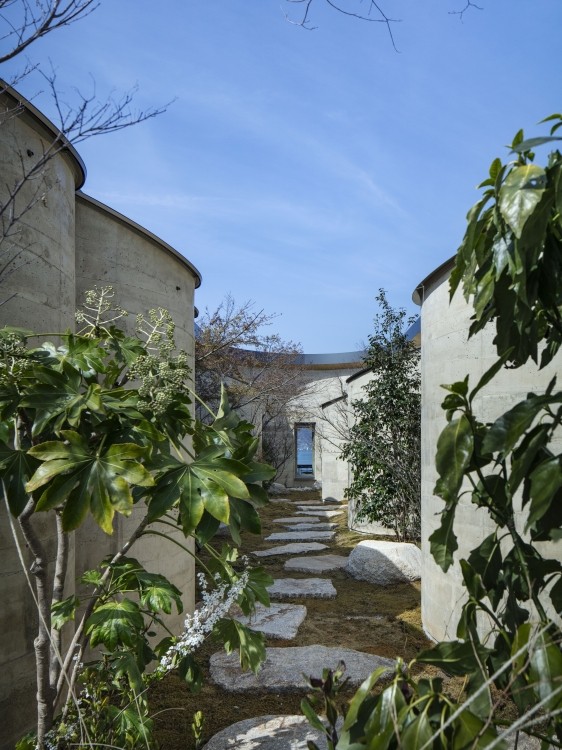
At its core, NOT A HOTEL SETOUCHI is designed to be lived in, not just admired. The architecture prioritizes the everyday experience of its occupants, encouraging a slower and more mindful way of living.
The spatial design enhances interaction with nature through:
- Expansive terraces extending from interior spaces
- Unobstructed sightlines toward the sea
- Dynamic play of natural light throughout the day
- Open layouts that encourage movement and flow
These elements work together to create an immersive environment. The architecture does not simply frame the landscape—it places the user within it. The changing qualities of light, weather, and time become part of the living experience.
A New Model of Ownership and Hospitality
Beyond its architectural qualities, the project introduces an innovative ownership concept. The “NOT A HOTEL” model allows individuals to own the property and use it as a private residence for a limited number of days each year. During the remaining time, it operates as a hospitality offering.
This hybrid model redefines traditional real estate and hospitality systems by offering:
- Shared access to high-quality architectural spaces
- Flexible usage instead of full-time ownership
- A balance between private living and hospitality experience
- Greater accessibility to premium design environments
By doing so, the project positions architecture not just as a static asset but as a shared and evolving experience.
Rooted in the Setouchi Context
Sagishima Island remains largely untouched by dense urban development, preserving its natural charm and authenticity. The scale of the island, combined with its peaceful atmosphere, provides an ideal setting for architecture that values restraint and sensitivity.
NOT A HOTEL SETOUCHI responds to this context by embedding itself within the landscape rather than altering it. Its presence is defined not by visual dominance but by quiet integration.
Here, luxury is reinterpreted in a subtle yet powerful way:
- It is not about excess or ornamentation
- It is defined by simplicity and clarity
- It emphasizes connection with nature
- It values experience over material display
This approach aligns with a broader shift in contemporary architecture, where sustainability, context, and user experience take precedence over spectacle.
Project Overview
- Property Name: NOT A HOTEL SETOUCHI 360 / 270 / 180
- Location: Sagishima Island, Mihara, Hiroshima, Japan
- Site Area: 31,739.07 sqm
- Structure: Reinforced concrete with partial steel, single-story
- Layout: 4 bedrooms per unit
- Total Units: 3
- Design Architect: Bjarke Ingels Group (BIG)
- Detailed Design & Construction: Maeda Corporation
NOT A HOTEL SETOUCHI stands as a significant addition to Japan’s architectural landscape. More than just a building, it represents a thoughtful dialogue between architecture, nature, and human experience, offering a new way to live, stay, and connect with the environment.
Image courtesy- NOT A HOTEL