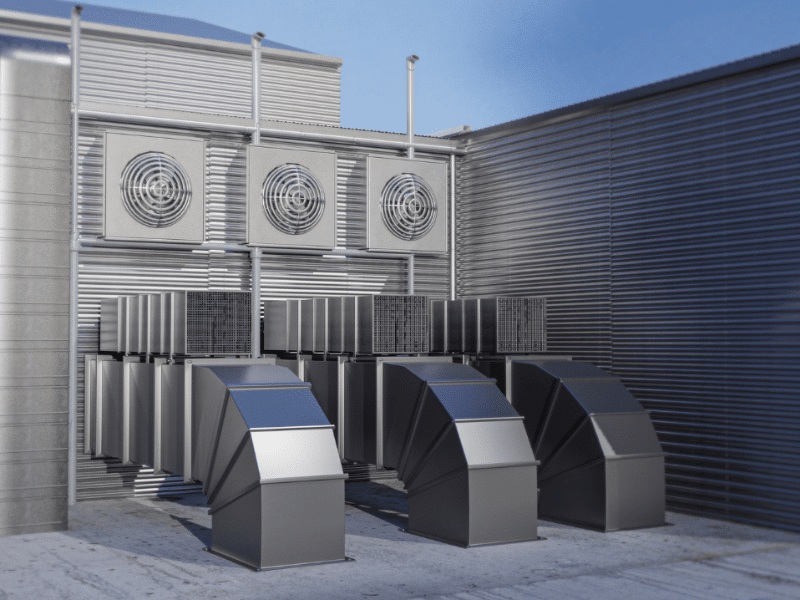
In modern construction, buildings are no longer just physical structures; they are designed to be efficient, sustainable, and comfortable for occupants. Among all building systems, Heating, Ventilation, and Air Conditioning (HVAC) plays an important role in maintaining indoor comfort and air quality. At the same time, HVAC systems are among the largest energy consumers, often accounting for nearly half of a building’s total energy usage.
To address this, many buildings now integrate HVAC systems with Building Automation Systems (BAS). This integration converts traditional HVAC operations into intelligent, responsive, and energy-efficient systems that can adjust to real-time conditions. This article provides a detailed overview of HVAC-BAS integration, including its components, working principles, benefits, challenges, and best practices.
Understanding HVAC-BAS Integration
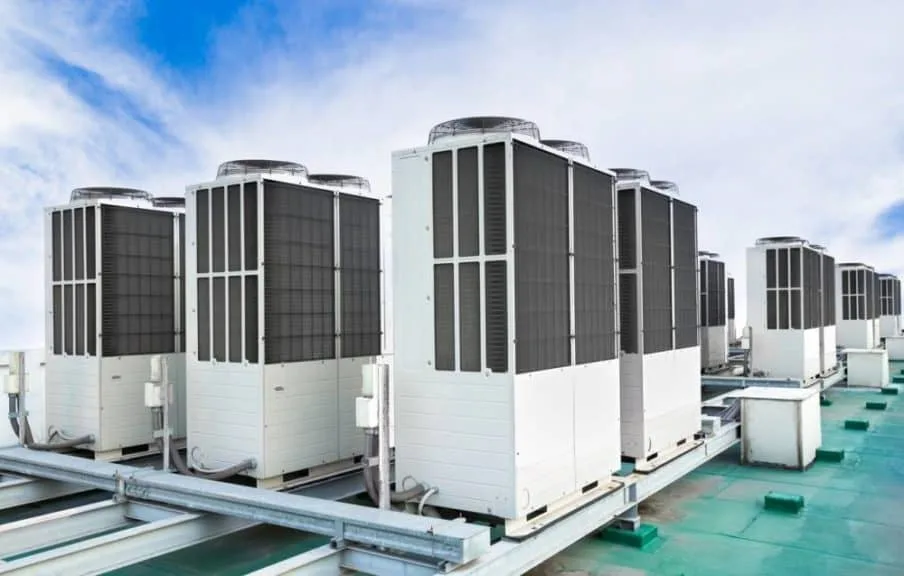
HVAC-BAS integration refers to the seamless connection of HVAC equipment—such as chillers, boilers, air handling units (AHUs), and ventilation systems—with a centralized automation platform. The BAS acts as the control hub, enabling building operators to monitor, analyze, and optimize HVAC performance from a single interface.
Instead of operating in isolation, HVAC systems become part of a coordinated network that responds dynamically to environmental conditions, occupancy levels, and energy demand. This results in improved performance, reduced energy consumption, and enhanced occupant comfort.
Core Components of an Integrated System
1. Sensors
Sensors are the foundation of any automated HVAC system. They continuously collect real-time data from the building environment, including temperature, humidity, air quality (CO₂ levels), and occupancy. This data forms the basis for intelligent decision-making within the BAS.
2. Controllers
Controllers process the data received from sensors and execute control strategies. These devices compare actual conditions with predefined setpoints and determine necessary adjustments. Common types include Direct Digital Controllers (DDCs) and Programmable Logic Controllers (PLCs).
3. Actuators and Field Devices
Actuators translate control signals into physical actions. They regulate dampers, valves, fans, and compressors to maintain desired environmental conditions. Variable Air Volume (VAV) boxes and smart thermostats are also key components in this category.
4. Communication Protocols
Integration is made possible through standardized communication protocols such as BACnet, Modbus, and KNX. These protocols enable interoperability between different devices and manufacturers, ensuring smooth data exchange across the system.
5. Human-Machine Interface (HMI)
The HMI provides a user-friendly interface for monitoring and controlling HVAC operations. Modern systems offer dashboards, analytics, alerts, and remote access through cloud-based platforms, allowing facility managers to make informed decisions quickly.
Working Principle of HVAC-BAS Integration
The operation of an integrated HVAC-BAS system follows a continuous feedback loop:
- Data Acquisition: Sensors capture environmental and operational data.
- Data Processing: Controllers analyze this data against predefined parameters.
- Decision Making: The BAS determines the most efficient course of action.
- Execution: Commands are sent to actuators to adjust system performance.
- Feedback and Optimization: The system continuously monitors outcomes and refines its operations.
For example, if occupancy in a conference room drops, the BAS can automatically reduce cooling output and ventilation rates, thereby saving energy without compromising comfort.
Benefits of HVAC Integration with BAS
1. Enhanced Energy Efficiency
One of the most significant advantages is the reduction in energy consumption. By optimizing HVAC operations based on real-time demand, BAS eliminates unnecessary energy use. Features such as scheduling, zoning, and demand-controlled ventilation contribute to substantial savings.
2. Improved Occupant Comfort
Integrated systems maintain consistent temperature, humidity, and air quality levels. They also allow for zoning, enabling different areas of a building to have customized environmental settings, which enhances user satisfaction and productivity.
3. Operational Cost Savings
Although the initial investment may be high, the long-term savings are considerable. Reduced energy bills, lower maintenance costs, and extended equipment lifespan contribute to a strong return on investment.
4. Intelligent Automation and Control
Automation reduces the need for manual intervention. The system can automatically adjust settings based on occupancy patterns, weather conditions, and time schedules, ensuring optimal performance at all times.
5. Predictive Maintenance
BAS enables continuous monitoring of equipment performance. It can detect anomalies such as unusual energy consumption or declining efficiency, allowing maintenance teams to address issues before they lead to system failures.
6. Centralized Monitoring and Management
Facility managers can oversee all HVAC operations from a single platform. This centralized control simplifies building management and improves response time to issues.
Applications Across Building Types
HVAC-BAS integration is widely used across various sectors:
- Commercial Buildings: Offices, shopping malls, and hotels use BAS to manage large-scale HVAC operations efficiently.
- Healthcare Facilities: Hospitals require precise control of temperature and air quality for patient safety and infection control.
- Data Centers: Reliable cooling is important to prevent overheating of sensitive equipment.
- Residential Complexes: Smart HVAC systems enhance comfort and convenience for residents.
- Industrial Facilities: Integration ensures proper ventilation and temperature control for specialized processes.
Challenges in HVAC-BAS Integration
1. High Initial Investment
The cost of installing sensors, controllers, and automation software can be significant, particularly for large or complex buildings.
2. Compatibility Issues
Older HVAC systems may not support modern communication protocols, requiring upgrades or retrofitting.
3. Complex Design and Commissioning
Improper system design or inadequate commissioning can lead to inefficiencies and reduced performance.
4. Skilled Workforce Requirement
Operating and maintaining BAS requires trained personnel with technical expertise.
5. Cybersecurity Concerns
As systems become more connected, they are increasingly vulnerable to cyber threats. Proper security measures must be implemented to protect data and operations.

Best Practices for Effective Integration
To ensure successful HVAC-BAS integration, the following practices are recommended:
- Early Planning: Incorporate BAS during the design phase of construction to avoid costly modifications later.
- Use Open Protocols: Adopt standardized communication protocols to ensure compatibility and scalability.
- Thorough Commissioning: Test all components and control strategies before full operation.
- Training and Skill Development: Equip facility managers with the necessary knowledge to operate the system effectively.
- Regular Maintenance: Schedule periodic inspections and software updates to maintain optimal performance.
- Cybersecurity Measures: Implement secure networks, firewalls, and access controls to protect the system.
Future Trends in HVAC-BAS Integration
The integration of HVAC systems with BAS continues to evolve with advancements in technology:
- Artificial Intelligence (AI): AI-driven systems can predict occupancy patterns and optimize energy usage automatically.
- Internet of Things (IoT): Increased connectivity allows for more granular data collection and control.
- Cloud-Based Platforms: Remote monitoring and analytics improve accessibility and scalability.
- Digital Twins: Virtual models of buildings enable simulation and performance optimization.
- Sustainability Integration: BAS plays a key role in achieving net-zero energy buildings and reducing carbon footprints.
Conclusion
The integration of HVAC systems with Building Automation Systems represents a significant advancement in modern construction. It enables buildings to operate more intelligently, efficiently, and sustainably while enhancing occupant comfort and reducing operational costs. Despite challenges such as initial investment and system complexity, the long-term benefits make HVAC-BAS integration a key component of smart building design. As technology continues to advance, this integration will become even more sophisticated, playing a central role in the development of future-ready, energy-efficient buildings.