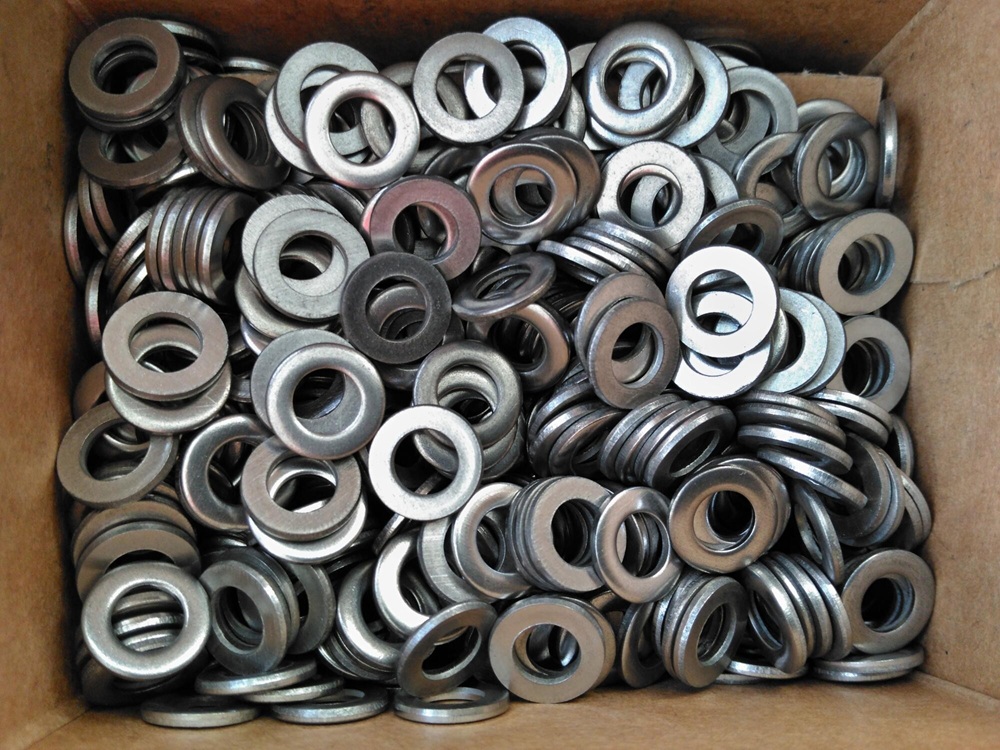
Flat metal washers are key for strong fastenings. They help spread pressure from bolts and screws. Using the right washer prevents damage to surfaces.
Washers keep fasteners tight under vibration or stress. They come in many sizes and different metals. Choosing the right washer ensures long-lasting assemblies.
Learn how flat metal washers make fastening easier. This guide shows how to select and apply them.
Importance of Flat Metal Washers in Fastening
Flat metal washers protect surfaces during fastening jobs. They spread pressure evenly across bolts and screws. Washers reduce the risk of cracking materials. They stabilize fasteners and prevent loosening over time.
Many projects use them in wood, metal, plastic. Washers handle wear in high-stress situations well. Selecting the correct size is very important. Proper use keeps fasteners secure and long-lasting.
Material Options and Their Benefits
Washers come in steel, stainless steel, and brass. Steel washers are strong and cost-effective for most. Stainless steel resists rust in wet environments. Brass washers resist corrosion and carry electricity.
Choosing the right metal improves fastening performance. Some metals also look better in visible projects. Each material performs differently under heavy stress. Picking the correct metal prevents failure in use.
Sizes and Thickness Considerations
Washers come in many diameters and thickness levels. Inner diameter must fit the bolt or screw. Outer diameter spreads pressure across the surface. Thicker washers handle heavy loads more effectively.
Thin washers work for lighter, smaller projects. Standard charts help select the correct size. Wrong sizes reduce strength and cause problems. Proper fit improves fastener and material durability.
Applications in Construction and Machinery
Flat metal washers are common in many projects. They appear in framing, decking, and roofing work. Washers keep machinery and vehicles tight and safe. They prevent parts from loosening during vibration.
Washers protect surfaces from repeated bolt tightening. Both homes and industries rely on these washers. Proper placement ensures maximum strength and stability. Flat metal washers improve safety in every project.
Installation Tips for Maximum Effectiveness
Place washers under bolts or nut heads flat. Make sure washers sit flat on surfaces. Avoid using washers too small or large. Tighten bolts slowly to prevent bending washers. Inspect washers regularly in high-stress applications.
Replace worn or damaged washers immediately. Correct installation increases fastener and assembly lifespan. Following these tips improves strength and reliability.
Choosing Quality Flat Metal Washers
Quality washers resist bending or corrosion during use. Poor washers fail and weaken fastening systems quickly. Durable washers maintain shape under heavy pressure. Checking load capacity ensures suitability for projects.
Many suppliers provide washers meeting industrial standards. Investing in quality reduces maintenance and replacement needs. Good washers give stronger, more reliable fastening results. Choose quality flat metal washers for safety.
Specialized Uses and Considerations
Flat metal washers are used for many tasks. They appear in plumbing, machinery, and electrical projects. Some require precise tolerances or special metal types. Custom washers meet unique load or corrosion needs.
Washers can act as spacers between components. Choosing the right washer depends on environment. Proper selection prevents failure and ensures safety. Flat metal washers remain vital across many industries.
Make Sure to Use Flat Metal Washers
Flat metal washers create secure and reliable fastenings. They distribute loads and protect assembly surfaces effectively. Choosing the right size, material, and quality matters. Correct installation and inspection prevent future problems.
From construction to machinery, they improve stability. High-quality washers reduce maintenance and replacement costs. Using flat metal washers ensures long-lasting results every time.
For more topics, check out our blog!