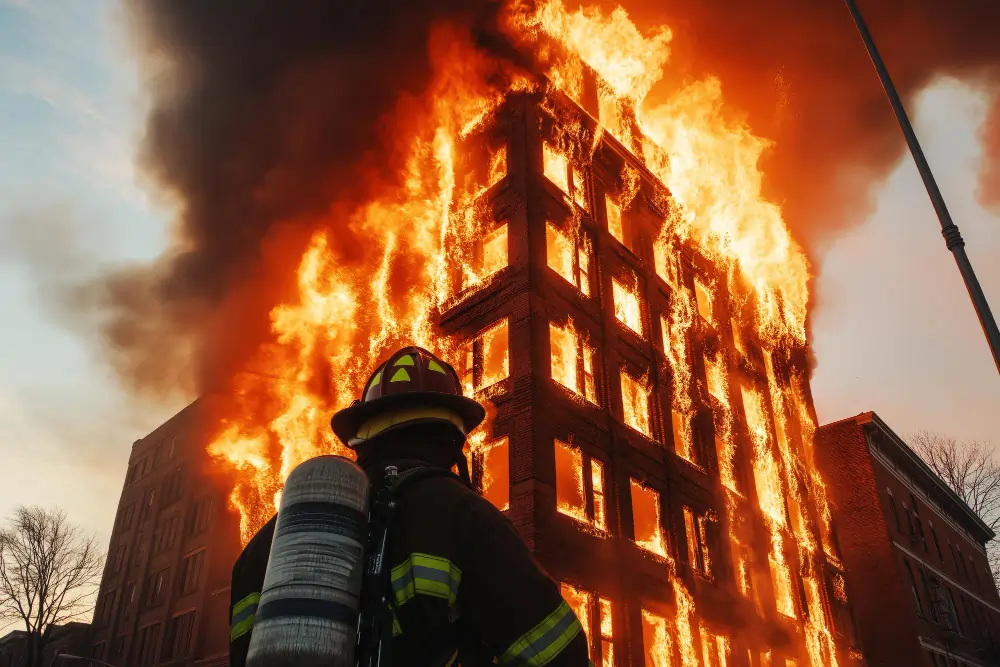
Fire safety in mid-rise buildings (around 4–15 floors) is mostly about handling three things properly, safe evacuation, early detection, and keeping the fire from spreading too far. Mid-rise buildings don’t call for very complex systems, but relying only on basic protection is risky. In most cases, a practical system that works properly on site and is easy to maintain makes more sense.
From a design and execution point of view, the biggest risks in mid-rise projects are delayed detection, smoke movement through services, and poor maintenance. A balanced fire protection strategy, combining active systems (to detect and fight fire) and passive systems (to contain it), is what actually reduces damage and saves time during emergencies.
Essential Fire Safety Systems in Mid-Rise Buildings
- Fire Detection & Alarm System: Gives early alert before fire spreads.
- Hydrant / Wet Riser: Water access at every floor for quick response.
- Sprinklers (where needed): Mostly in basements and high-risk areas.
- Fire Extinguishers: First response for small incidents.
- Passive Protection: Stops fire and smoke from moving between areas.
- Exit Lighting & Signage: Guides people out when visibility is low.
Fire Safety Regulations in India for Mid-Rise Buildings
Fire safety in mid-rise buildings is usually designed as per codes in India, but issues mostly come up during execution on site.
Main references:
- NBC 2016 (Part 4 – Fire & Life Safety)
- State Fire Department approvals
- Relevant IS codes for system design and installation
What actually gets checked:
- Travel distance to exits within permissible limits
- Minimum two staircases for safe evacuation
- Required firefighting water storage (underground and terrace level)
- Clear access for fire tenders around the building
- Coordination of fire systems with electrical and HVAC layouts
On drawings, things usually look fine, but issues start showing up during inspection. In most cases, delays or rejections happen because of execution issues, not design intent, so getting the site work right is critical.
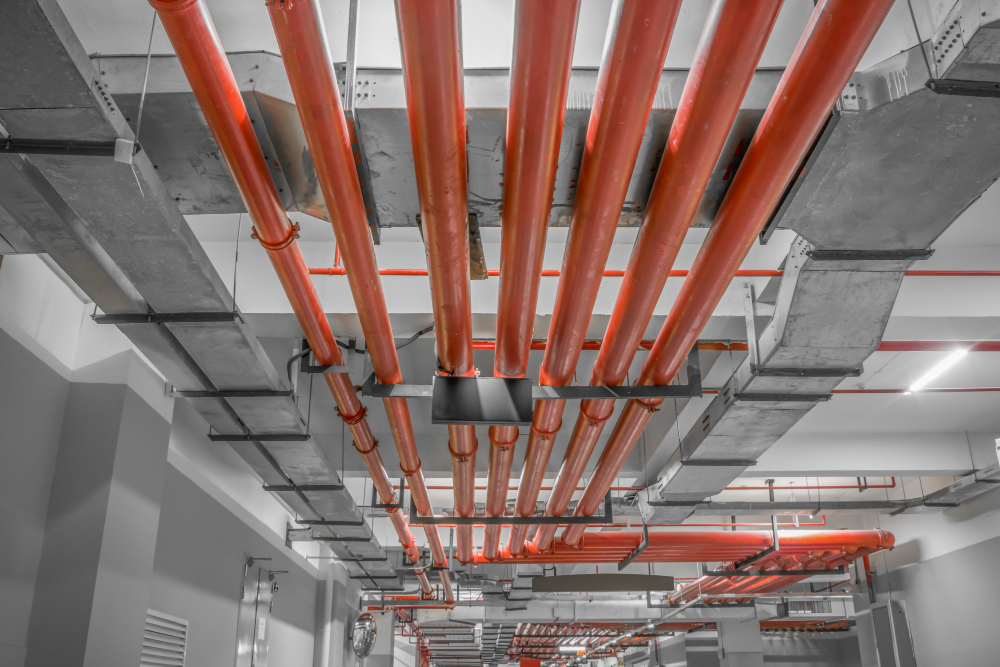
Fire Safety Practices to Follow on Site
- Seal all service shaft openings with fire-resistant materials
- Keep staircases pressurized or ventilated to avoid smoke logging
- Test fire pumps weekly and alarms monthly
- Avoid false ceilings blocking sprinkler coverage
- Ensure clear labeling of fire systems and valves
- Maintain logbooks for inspection and testing
- Train occupants and staff on basic fire response
Comparison: Active vs Passive Fire Protection
Common Gaps in Fire Safety Systems
In many mid-rise projects, fire systems are installed as required, but maintenance often gets missed after handover. The gaps usually come out only during testing or in real situations.
In most cases, failures are linked to non-functional equipment, lack of periodic checks, or poor upkeep, rather than design problems. Due to this, frequent testing, inspection, and simple maintenance are more valuable than incorporation of additional systems which might not be utilized appropriately.
Fire Safety in Mid-Rise Buildings: What Matters Most
In mid-rise buildings, fire safety mostly comes down to whether the systems actually work when needed. Even a simple setup does the job well if it’s installed properly and maintained on time. For project teams and authorities, what matters is the site side, getting the installation right and keeping systems in working condition through regular checks.