
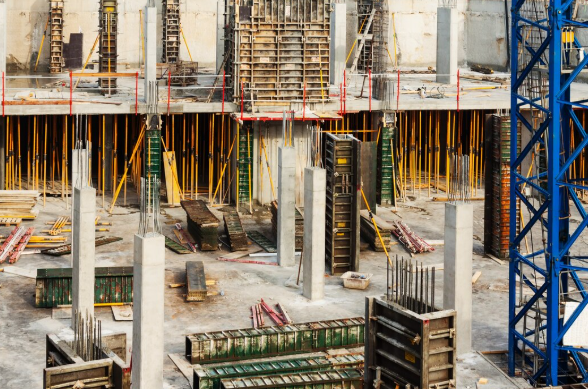
Construction sites are inherently hazardous environments. Heavy machinery, elevated work areas, uneven terrain, and constant movement create risks that demand proper safety measures.
Smart site managers know that preventing accidents costs far less than dealing with their aftermath. Beyond the human toll, workplace injuries bring project delays, compensation claims, regulatory scrutiny, and reputation damage.
The good news is that most construction accidents are preventable. The right equipment, properly deployed, dramatically reduces risk across every phase of a project.
Let’s examine the essential safety equipment that belongs on every well-managed construction site.
Understanding Site-Specific Hazards
No two construction sites are identical. A high-rise development presents different challenges than a road construction project or residential build.
Effective safety planning starts with honest assessment. Walk the site. Identify where people will move, what elevations they’ll work at, what materials they’ll handle, and what equipment they’ll operate.
Common hazard categories include falls from height, struck-by incidents involving moving equipment or falling materials, caught-in hazards around machinery, and electrical risks. Your equipment needs should address each relevant category.
Don’t forget that hazards evolve as projects progress. A site that’s relatively safe during foundation work becomes more dangerous once scaffolding goes up. Regular reassessment keeps safety measures current.
Fall Protection: The Non-Negotiable Priority
Falls remain the leading cause of construction fatalities. Any work at height requires appropriate protection systems.
Guardrails provide passive protection that doesn’t depend on worker action. Install them wherever people work near open edges, floor holes, or elevated platforms.
Personal fall arrest systems serve as backup when guardrails aren’t practical. Harnesses, lanyards, and anchor points must be properly rated and regularly inspected.
Safety nets catch workers and materials in situations where other protection isn’t feasible. They’re common on bridge construction and similar projects with extensive overhead work.
Don’t overlook ladder safety. Falls from ladders cause thousands of injuries annually. Proper setup, three-point contact, and weight limits aren’t suggestions.
Safe Access and Movement Around Site
Getting people and materials where they need to go safely is fundamental to site operations. Yet access points often receive less attention than they deserve.
Stairways and walkways need to be clearly defined, properly lit, and kept clear of debris. Temporary structures must be as sturdy as permanent ones.
Where elevation changes exist, an access ramp provides safe passage for workers and equipment alike. Ramps are particularly valuable for moving wheeled equipment, transporting materials, and ensuring accessibility for all workers regardless of mobility.
Proper gradient matters. Too steep and you create slip hazards and equipment control problems. Most safety standards specify maximum slopes for different applications.
Surface texture is equally important. Smooth surfaces become treacherous when wet or dusty. Anti-slip treatments and appropriate materials prevent accidents during all weather conditions.
Personal Protective Equipment Essentials
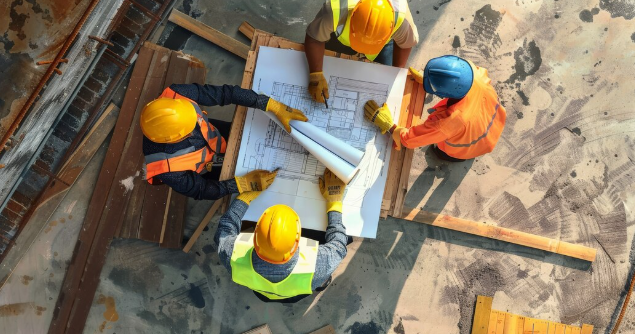
PPE forms the last line of defense when other controls aren’t sufficient. Every worker needs appropriate gear for their specific tasks.
Hard hats protect against falling objects and head impacts. Modern designs are lighter and more comfortable than older versions, reducing the temptation to remove them.
Safety footwear with puncture-resistant soles and toe protection is mandatory on most sites. Construction debris includes nails, sharp metal, and heavy materials that regular shoes can’t handle.
Eye protection varies by task. Basic safety glasses suffice for general work, while welding, cutting, and chemical handling require specialized protection.
Hearing protection matters on noisy sites. Damage accumulates over time, so consistent use during loud operations prevents long-term hearing loss.
High-visibility clothing ensures workers remain visible to equipment operators. Bright colors and reflective materials are essential, especially during early morning, evening, and overcast conditions.
Traffic Management and Signage
Construction sites involve constant movement. Vehicles, equipment, and pedestrians share space in ways that create collision risks.
Separate vehicle and pedestrian routes wherever possible. Physical barriers work better than painted lines alone. When separation isn’t feasible, clear right-of-way rules and trained spotters reduce risk.
Signage must be clear, visible, and consistent. Workers become blind to signs they see every day, so placement and maintenance matter. Damaged or obscured signs might as well not exist.
Speed limits on site should reflect actual conditions, not arbitrary numbers. Enforce them consistently. A single speeding vehicle can cause catastrophic harm.
Delivery scheduling reduces congestion during peak activity periods. Coordinate material arrivals to avoid multiple large vehicles competing for limited space.
Emergency Response Preparation
Despite best prevention efforts, emergencies happen. Preparation determines whether incidents become tragedies.
First aid supplies must be readily accessible and appropriately stocked. Large sites need multiple stations positioned so help is never far away.
Fire extinguishers rated for likely fire types belong throughout the site. Workers should know locations and basic operation. Hot work areas need dedicated fire watch procedures.
Emergency exits and assembly points must be clearly marked and kept unobstructed. Practice evacuations so workers know what to do when alarms sound.
Communication systems let people summon help quickly. Whether radios, phones, or alarm systems, reliable communication saves lives when seconds matter.
Training Ties Everything Together
Equipment alone doesn’t create safety. Workers must understand hazards, know how to use protective equipment, and follow established procedures.
Initial orientation should cover site-specific hazards and safety rules before anyone begins work. Generic training isn’t enough when every site presents unique challenges.
Ongoing toolbox talks reinforce key messages and address emerging concerns. Short, focused sessions work better than lengthy lectures.
Specialized training applies to specific hazards. Working at height, operating machinery, handling hazardous materials, and similar activities require dedicated instruction.
Document everything. Training records demonstrate compliance and help identify who needs refreshers.
Creating a Safety Culture
Rules and equipment only work when people actually use them. Building a culture where safety matters requires consistent effort.
Leadership commitment is visible and genuine. When supervisors cut corners, workers notice. When management prioritizes production over safety, that message spreads.
Reporting systems encourage workers to flag hazards without fear of blame. Near-miss reporting is particularly valuable because it identifies problems before injuries occur.
Recognition reinforces positive behavior. Acknowledge individuals and teams who demonstrate safety leadership.
Consequences for violations must be consistent and fair. Rules that aren’t enforced aren’t really rules.
The Investment That Pays For Itself
Quality safety equipment and training represent real costs. Budgets are always tight, and the temptation to economize exists.
But consider what accidents actually cost. Medical expenses and compensation payments are just the beginning. Project delays, equipment damage, regulatory fines, increased insurance premiums, and legal expenses add up quickly.
Then there’s the human cost that spreadsheets can’t capture. Serious injuries change lives permanently. Fatalities devastate families and colleagues.
Prevention is genuinely cheaper than response. Every dollar spent on proper safety equipment and training returns multiples in avoided costs and uninterrupted productivity.
Your workers deserve to go home healthy at the end of every shift. Make sure your site gives them that chance.



