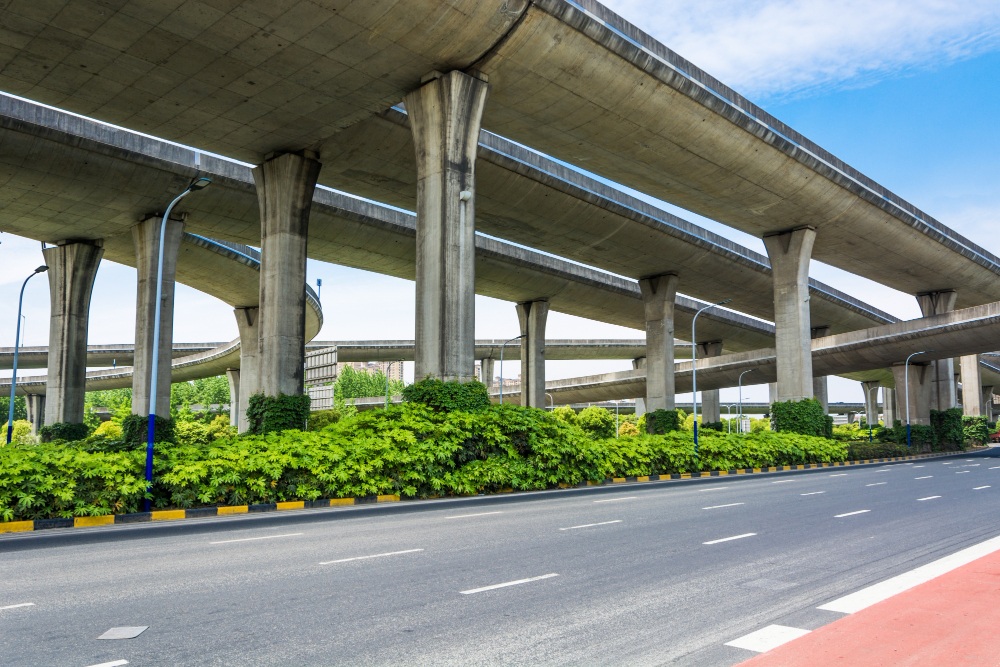
Elevated corridors are engineered structures built above ground level to facilitate transportation, pedestrian movement, utility transmission, or logistics flows. These corridors include elevated highways, metro viaducts, skywalks, and freight conveyors. They play a vital role in urban and intercity mobility by overcoming topographic, spatial, and environmental constraints. Modern cities increasingly rely on elevated corridors to relieve congestion, enhance connectivity, and promote sustainable infrastructure.
Understanding Elevated Corridors
An elevated corridor refers to any linear infrastructure constructed above the natural surface to carry some form of traffic — vehicles, trains, pedestrians, or utilities. Depending on purpose, corridors can be:
- Vehicular elevated highways
- Rail or metro viaducts
- Pedestrian bridges and skyways
- Utility corridors
- Freight and logistics structures
Why Build Elevated Corridors?
Elevated corridors are adopted for several reasons:
- Limited land availability: Urban areas often lack the space required for at-grade expansion.
- Obstacle avoidance: They bypass rivers, railways, and dense built environments.
- Traffic decongestion: Removing vehicles or transit lines from surface streets improves flow.
- Grade separation: Elevating crossings reduces accidents and delays.
- Environmental strategy: In some cases, minimizing ecology disruption on the ground.
Early Planning and Design Stages
Every elevated corridor project begins with meticulous planning. The early stages determine feasibility and set the stage for construction:
a. Feasibility and Site Investigation
Engineers and planners undertake:
- Topographical surveys
- Geotechnical investigations
- Traffic and usage analysis
- Environmental impact assessments
- Right-of-way mapping
These studies determine ground conditions, soil bearing capacities, seismic and flood risks, and existing infrastructure obstacles.
b. Conceptual and Detailed Design
Designers use data from surveys to produce:
- Alignment and profiles
- Cross-sectional layouts
- Structural system selection
- Load and stress analysis
- Drainage, lighting, and utility placement
- Aesthetic integration
Computer-aided design (CAD), Building Information Modeling (BIM), and Finite Element Modeling (FEM) are commonly used for precision.
Structural Types of Elevated Corridors
Depending on length, load, and ground conditions, different structural forms are used:
a. Beam and Girder Systems
One of the most common systems, using precast or cast-in-situ beams supported by piers:
- I-girders
- Box girders
- T-beams
These systems are economical and adaptable for moderate spans.
b. Cable-Stayed Elevated Structures
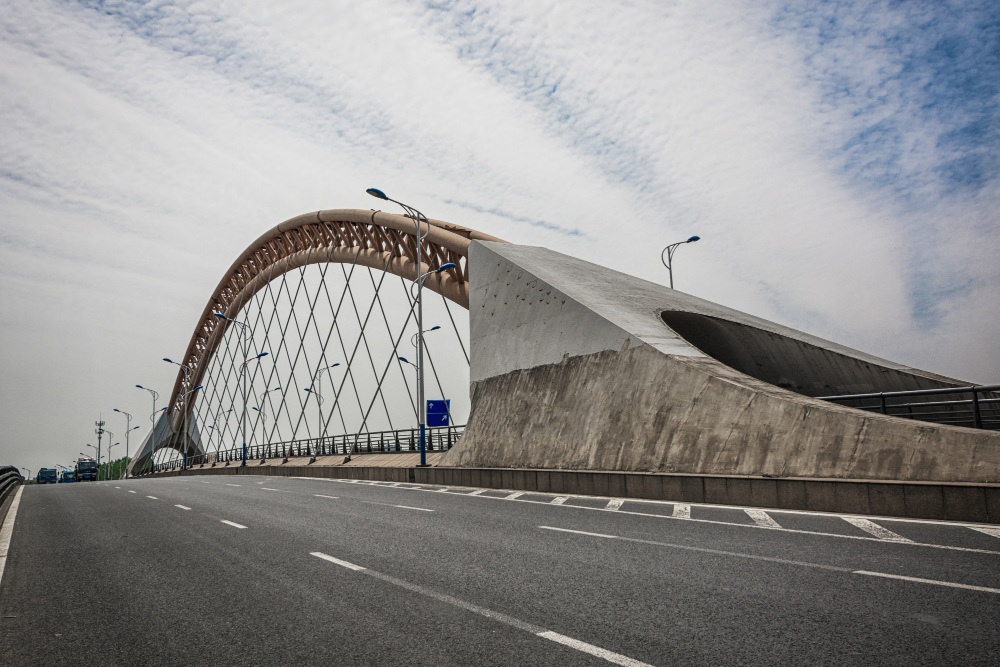
Used for longer spans, cable-stayed designs transfer load to towers, enabling large uninterrupted segments — ideal for river crossings.
c. Arch and Truss Elevated Systems
Less common but advantageous where architectural expression or long spans are required without numerous supports beneath.
Primary Construction Methods for Elevated Corridors
a. Cast-In-Situ (In-Place) Construction
Cast-in-situ construction involves pouring reinforced concrete directly at the site to form structural components such as piers, pier caps, decks, and girders. The structure is built in its final position using temporary support systems until the concrete achieves adequate strength. This approach creates a monolithic structural system, enhancing continuity and load transfer.
Typical Process:
- Erection of formwork and falsework
- Placement of reinforcement steel
- Concrete pouring and vibration
- Curing for strength development
- Removal of formwork
Key Advantages:
- Flexibility for complex geometries
- Strong monolithic sections
- Suitable for irregular or constrained sites
Challenges:
- Longer construction duration
- Labor-intensive on-site operations
- Weather sensitivity affecting curing and quality
This method is particularly effective in projects where customization and structural continuity are priorities.
b. Precast Segmental Construction
Precast segmental construction involves manufacturing structural segments in a controlled casting yard before transporting them to the project site for assembly. The segments are typically post-tensioned together to create a continuous superstructure. This method significantly reduces on-site construction activities and improves overall efficiency.
Construction Stages:
- Fabrication of precast segments in factory conditions
- Quality inspection and curing
- Transportation to site
- Lifting using cranes or launching gantries
- Post-tensioning to join segments
Major Benefits:
- Superior quality control
- Faster project execution
- Reduced traffic and environmental disruption
- Lower on-site labor requirements
Considerations:
- Requires casting yard and storage area
- Heavy transportation logistics
- High initial equipment investment
Precast segmental construction is widely used in metro viaducts, elevated highways, and long repetitive spans.
c. Balanced Cantilever Method
The balanced cantilever method is commonly adopted for long-span elevated corridors where ground-level access is restricted, such as over rivers, railway lines, or busy highways. Construction progresses symmetrically outward from a central pier, maintaining balance at each stage to ensure structural stability.
Execution Process:
- Completion of pier and pier head
- Installation of form travelers
- Symmetrical casting or erection of segments
- Sequential post-tensioning
- Closure pour at mid-span
Advantages:
- Minimal need for ground-based falsework
- Suitable for long spans
- Reduced interference with activities below
Technical Challenges:
- Requires precise alignment and tensioning
- Continuous structural monitoring
- Skilled supervision necessary
This method is ideal for projects where access from below is limited or impractical.
d. Incremental Launching Method (ILM)
The Incremental Launching Method (ILM) involves constructing the superstructure in segments behind an abutment and progressively pushing it forward over piers using hydraulic jacks. The structure is launched horizontally until it reaches its final alignment.
Operational Steps:
- Establishment of casting yard behind abutment
- Sequential casting and post-tensioning of segments
- Hydraulic pushing of completed section
- Sliding over temporary bearings
- Final positioning and bearing installation
Advantages:
- Minimal traffic interference below
- Controlled working environment
- Enhanced safety during construction
- Efficient for repetitive spans
Limitations:
- Best suited for straight or mildly curved alignments
- Requires specialized launching systems
- Temporary stress conditions must be carefully analyzed
e. Launching Gantries and Mobile Cranes
For precast girder erection, two primary lifting systems are used — launching gantries and mobile cranes. The choice depends on project size, site accessibility, and cost considerations.
Launching Gantry System
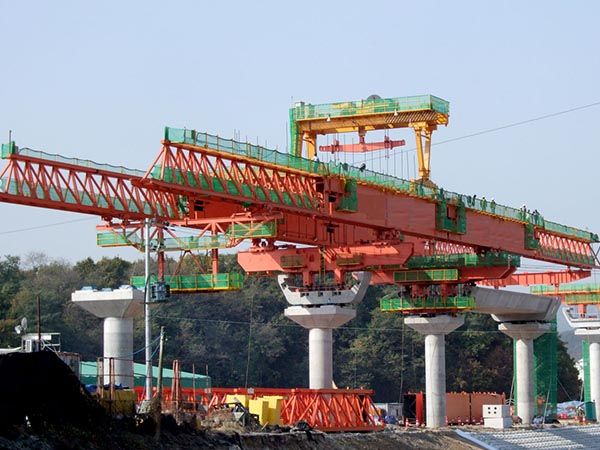
A launching gantry is an overhead steel truss mechanism that moves from span to span, lifting and positioning precast segments without requiring ground support.
Advantages:
- High erection speed
- Reduced ground-level disruption
- Improved alignment precision
- Ideal for congested urban corridors
Drawbacks:
- High capital investment
- Requires skilled operation
Mobile Crane Erection
Mobile cranes lift segments directly from transport vehicles and place them on piers.
Advantages:
- Lower equipment cost
- Greater flexibility
- Suitable for smaller projects
Drawbacks:
- Requires road closures during lifting
- Higher traffic disruption
- Slower for long repetitive spans
Comparison Overview:
- Speed: Gantry (High) | Crane (Moderate)
- Cost: Gantry (High) | Crane (Lower)
- Site Impact: Gantry (Moderate) | Crane (High due to traffic interruption)
Materials Used in Elevated Corridor Construction
a. Concrete
Concrete (especially prestressed and reinforced) is universally used due to:
- High compressive strength
- Durability
- Compatibility with precast methods
b. Steel
Steel is used in:
- Girders
- Cables (in cable-stayed systems)
- Reinforcement
Advantages include high tensile strength and lighter weight.
c. Composite Materials
Composite decks combining steel and concrete offer:
- Weight reduction
- Improved load distribution
- Faster construction

Substructure Construction
Before superstructure erection, robust foundations and piers are established:
a. Foundation Types
- Shallow Spread Footings
- Pile Foundations (bored or driven)
- Caissons (for river crossings)
Choice depends on soil conditions, load requirements, and ground water.
b. Pier Design
Piers must resist:
- Vertical loads
- Lateral forces (wind, seismic activity)
- Vibrations (especially for vibration-sensitive corridors)
Different shapes — H, I, box, tapered — are used depending on purpose.
Auxiliary Systems and Technologies
Elevated corridors are more than just structural skeletons — they integrate multiple systems:
a. Drainage and Waterproofing
Water infiltration can weaken structures and cause corrosion. Systems include:
- Deck drains
- Waterproof membranes
- Expansion joint sealants
b. Expansion Joints and Bearings
Designed to accommodate temperature variations, traffic loads, and seismic movements.
c. Utilities Integration
Corridors may carry:
- Electric lines
- Fiber optics
- Water and sewage pipes
- Lighting and signage
Planning ensures accessibility and maintenance.
Future Outlook
a. Multi-Modal Elevated Corridors
Emerging designs incorporate multiple uses — transit, pedestrians, utilities, and even green belts in a single corridor.
b. Smart Corridors with IoT Integration
Real-time traffic management, automated vehicle support, and integrated monitoring will define next-gen corridors.
c. Sustainability and Climate Resilience
With rising climate risk, corridors will be designed for:
- Flood resistance
- Heat-resilient materials
- Green infrastructure integration
Conclusion
Elevated corridors are essential components of modern infrastructure systems. Their construction involves careful planning, advanced engineering, and strategic choice of methods and materials. From cast-in-place concrete to modular precast segments, and from balanced cantilever systems to smart technologies, the field of elevated corridor construction continues to evolve. Through innovation, sustainability, and smart design, elevated corridors will continue shaping mobility and connectivity for cities and nations worldwide.