In the competitive landscape of modern real estate and residential development, the definition of luxury has shifted. It is no longer confined to indoor square footage or marble countertops. Today, the battle for buyer attention is increasingly won or lost in the backyard.
For architects, developers, and builders, outdoor living spaces have transitioned from an afterthought to a primary value driver. Post-pandemic design trends have cemented the need for destination backyards. These are spaces that function as open-air living rooms, dining areas, and year-round retreats.
Here is how focusing on functional landscape architecture, specifically through durable and central features, can significantly enhance property appeal and valuation.
1. The “Third Place” at Home
The concept of the “Third Place” defines a social surrounding separate from the usual environments of home and the workplace. This concept is now being integrated directly into residential design. Buyers are looking for properties that offer this escape within their own boundaries.
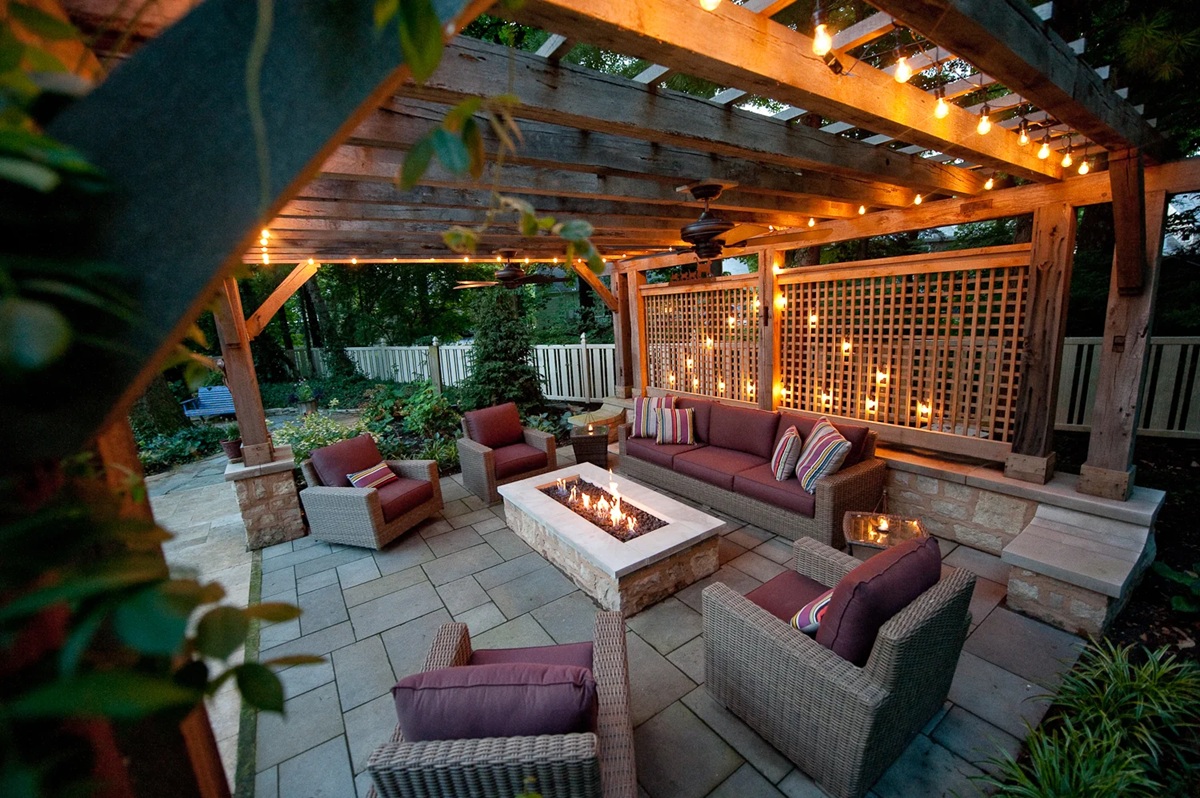
To achieve this, developments must move beyond simple sod and paving. Successful outdoor zones require a focal point that anchors the space and invites interaction. This is where hardscaping features like built-in seating, pergolas, and central fire features play a crucial role. They define the room and suggest a specific use, making the space easier for a potential buyer to visualize inhabiting.
2. Material Durability in Outdoor Features
For the construction industry, the longevity of materials is paramount. When specifying outdoor amenities, particularly for high-end residential projects or boutique hospitality developments, the choice of material dictates the maintenance schedule and the asset’s lifespan.
Cheap, mass-produced outdoor furniture often fails within a few seasons, degrading the overall look of a property. In contrast, integrating fixtures made from industrial-grade materials, such as weathering steel (Corten) or heavy-gauge mild steel, signals quality to the buyer.
For example, when selecting a centerpiece like a fire feature, opting for 4mm+ thick steel ensures the structure can withstand thermal cycling and harsh weather without warping. This level of specification aligns with the structural integrity expected in the rest of the build.
3. The Fire Pit as a Social Anchor
Among outdoor amenities, few offer the ROI of a fire feature. It extends the usability of a backyard into the colder months and evening hours, effectively increasing the livable hours of the property.
As Max Maynard, owner of MAX Fire Pits, notes, “Building a fire pit transforms your backyard into a cosy retreat, perfect for gatherings or quiet evenings under the stars.”
From a design perspective, this transformation is critical. A fire pit acts as a natural gathering spot that requires minimal space and maintenance compared to a swimming pool. For developers, adding a laser-cut, bespoke fire pit that carries the theme of the development, or even the branding of a commercial project, adds a layer of exclusivity and attention to detail that generic fixtures cannot match.
4. Customization as a Differentiator
In a market saturated with standard designs, customization is a powerful differentiator. Modern laser-cutting technology allows landscape architects to commission unique screens, gates, and fire pits that complement the architectural language of the main structure.
Whether it is a floral motif that mirrors the garden design or a geometric pattern that references the building’s façade, these custom metalwork elements create a cohesive narrative throughout the property.
Conclusion
For industry professionals, the takeaway is clear. The outdoors is no longer just green space. It is a programmable asset. By investing in high-quality, durable materials and integrating functional social anchors, developers can create outdoor environments that not only look spectacular but also drive genuine market value.