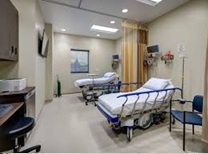
More families now choose to recover at home. Hospitals discharge patients earlier. Home care services keep expanding. Because of this shift, builders and renovators are getting a new type of request. People want a “recovery suite” inside the home. They want it to feel like a bedroom. But they also want it to work like a mini care room.
A recovery suite is not only for seniors. It can help someone after surgery. It can support a person living with a chronic condition. It can also serve as a flexible space for future needs. If you design it right, it improves comfort, safety, and caregiving. It also adds value to the property.
This article explains what builders should know. It covers layout, access, electrical, lighting, flooring, and bathroom planning. It also explains how the right bed choice changes everything in the room.
What is a recovery suite in a residence?
A residential recovery suite is a dedicated space that supports healing and daily care. It usually includes:
- A sleeping area that can handle medical equipment
- Space for a caregiver to assist safely
- Easy access to a bathroom
- Lighting and outlets for medical devices
- A calm and clean environment
In many homes, this suite becomes a “main-floor bedroom” with extra planning. In other homes, it becomes a larger bedroom that is adapted for home healthcare. Some homeowners build it as part of a new addition. Others convert a guest room.
The goal stays the same. Reduce strain. Reduce falls. Make care easier. Support recovery without making the home feel like a clinic.
Start with the right location in the home.
If you are building new, the best recovery suite is often on the main floor. Stairs are a major risk. They also limit wheelchair and walker access.
If the suite must be on an upper floor, plan for wider stairs, stronger handrails, and future lift options. Even then, the main floor is usually safer.
Key placement tips:
- Keep the suite close to a bathroom.
- Reduce the number of turns from entry to bed.
- Avoid tight hallways and narrow doorways.
- Consider noise. Healing needs rest.
Also, think about access from outside. Some clients may need non-emergency medical transport. A clear path from the driveway to the room helps a lot.
Plan the room around the bed first.
In a recovery suite, the bed is not “just furniture.” The bed becomes the main tool for healing and care. It affects the whole layout.
A standard bedroom layout often fails here. A typical bed against a wall can block caregiver access. It can also make transfers unsafe.
Most recovery suites need space on both sides of the bed. They also need space at the foot for equipment and a turning radius.
A smart approach is to design the room so it can fit:
- An adjustable bed frame
- Optional side rails
- A walker or wheelchair beside the bed
- A bedside commode (if required)
- A small overbed table
Many families decide to purchase rather than rent when the recovery period is long. In those cases, they may look for a hospital bed for sale for home recovery suites because it offers better positioning and safer transfers.
Minimum space guidelines builders should consider
Every project differs. Still, these baseline ideas work well:
- Door width: 32 inches, with a clear opening, is a good minimum. 36 inches is better.
- Pathway: create a clear route from door to bed with no pinch points.
- Bed clearance: aim for space on both sides for caregiver access.
- Turning radius: if wheelchair access is needed, plan for generous turning space.
Do not forget closet doors. Sliding doors usually work better than swing doors in tight rooms.
Also, plan for storage. Home healthcare comes with supplies. Families need a clean place for linens, gloves, wipes, and medical accessories.
Flooring that supports healing and safety
Flooring matters more than most people think. A patient using a walker needs a stable grip. A caregiver pushing equipment needs smooth rolling.
Good flooring choices:
- High-quality vinyl plank with good slip resistance
- Smooth laminate with proper underlayment
- Low-pile commercial-grade carpet tiles, in some cases
Avoid thick carpet. It increases fall risk and makes rolling equipment hard.
Also, avoid glossy tiles in the bedroom area. They can be slippery. If tile is used, choose a textured finish.
Lighting that reduces falls and supports care
Lighting needs to do two jobs. It must create a calm bedroom feel. But it must also support tasks like medication, wound checks, and safe transfers.
Builder-friendly lighting plan:
- Overhead ambient lighting on a dimmer
- Bedside reading lights
- Night lighting near the floor or baseboards
- Motion-sensor lights for nighttime bathroom trips
Warm light is often more relaxing. But task zones need brighter output when care is happening.
Also consider glare control. Older eyes are sensitive to harsh contrast. Soft, even lighting reduces confusion and improves safety.
Electrical and power planning
A recovery suite usually needs more outlets than a normal bedroom. Many devices need continuous power.
Examples include:
- Oxygen concentrator
- CPAP machine
- Monitoring devices
- Adjustable bed motor
- Charging ports for phones and medical alert systems
Practical electrical tips:
- Put outlets on both sides of the bed.
- Add outlets near the head and foot area.
- Include USB outlets for convenience.
- Consider a dedicated circuit if heavy equipment is expected.
Think about cord management. Loose cords are trip hazards. Plan outlet locations so cords do not cross walking paths.
HVAC and air quality
Good airflow supports healing. Poor air can worsen breathing issues and slow recovery.
Simple HVAC improvements:
- Ensure the suite has balanced heating and cooling
- Add a quiet exhaust option if needed
- Use high-quality filters in the system
- Consider humidification support in dry seasons
Noise matters too. Loud vents and rattling ductwork hurt sleep. Sleep is a core part of recovery.
Bathroom design near the recovery suite
If the project allows it, a nearby accessible bathroom is one of the best upgrades you can build. It reduces falls and stress. It also helps the patient stay independent.
Bathroom features to consider:
- Walk-in shower with a low or zero threshold
- Reinforced walls for future grab bars
- Comfort-height toilet
- Non-slip flooring
- Enough clearance for a walker or wheelchair
- A wide entry door or pocket door
A handheld shower head and a built-in shower bench also help. Even if the client does not need them now, the future value is high.
Why the right bed choice changes the entire room
A hospital-style adjustable bed supports positioning, circulation, breathing, and safe transfers. It can raise the head and knees. It can be lowered for safer entry and exit. It can also be raised higher so caregivers can work without bending.
In many long recovery cases, families want a purchase option. They look for a hospital bed for sale that supports long-term recovery because it becomes part of daily life, not just a short-term solution.
From a builder’s view, this affects:
- Room size and bed clearances
- Outlet placement and cord management
- Flooring choice for rolling and stability
- Headboard wall design and protection
- Storage planning for accessories
If you design around the bed early, the rest of the suite works better.
Details that make the suite feel residential, not clinical
Families want safety. But they also want comfort. The best recovery suites feel calm and normal.
Design choices that help:
- Soft paint colours and low-glare finishes
- Built-in millwork that hides supplies
- Comfortable seating for a caregiver
- Blackout curtains or good window coverings
- Acoustic control to support sleep
Also consider wall protection. Mobility aids can scuff walls. A subtle chair rail or durable paint finish reduces long-term damage.
Caregiver support space
Caregiving is physically demanding. Builders should plan for caregiver comfort and safe movement.
Helpful additions:
- A small seating area with a chair and a side table
- Space for an overbed table to slide in easily
- Room for a small dresser or supply cabinet
- A place to charge devices and store medications safely
If the recovery suite includes a separate entrance or nearby kitchenette, that can be a major advantage. Not every home can do this. But when it is possible, it improves function.
Smart home and safety upgrades that fit recovery suites
Smart features can support independence and reduce emergencies:
- Voice-controlled lights
- Smart thermostat control
- Door cameras for security
- Medical alert integrations
- Motion sensors for nighttime paths
Just keep the system simple. Complexity can confuse users, especially older adults.
Building a recovery suite as a future-proof investment
Even if the homeowner does not need the suite today, the design supports long-term value. Buyers increasingly care about aging-in-place features. A main-floor bedroom plus accessible bath is a strong selling point.
A recovery suite can also convert back to a guest room later. That is why flexible design matters. Use solutions that can be removed or adapted without major demolition.
Final thoughts
Designing for home healthcare is not about turning homes into hospitals. It is about planning for safer recovery, easier caregiving, and better comfort. Builders who understand these needs can offer real value.
Start with location and access. Then plan the room around bed clearance and movement. Add the right outlets, lighting, and flooring. Support the bathroom needs. And always consider the bed early because it drives the entire layout.
For many homeowners, selecting a hospital bed for sale for home recovery suites becomes a key step in creating a functional care space. And when the recovery window is long or ongoing, a hospital bed for sale that supports long-term recovery can help the patient stay safer, more comfortable, and more independent at home.