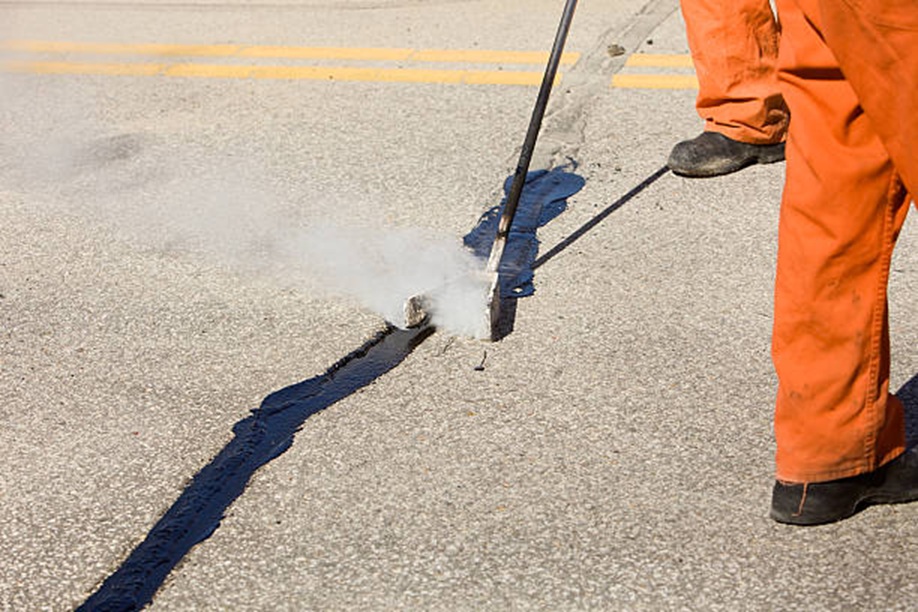
Cracks are one of the earliest and most common forms of deterioration in asphalt pavements. They appear due to temperature fluctuations, traffic loads, oxidation, aging of asphalt binder, and structural weaknesses in the pavement base. If left untreated, cracks allow water to penetrate into the pavement layers, which weakens the base and subgrade and eventually leads to potholes, rutting, and complete pavement failure. Crack sealing is therefore considered a crucial preventive maintenance technique used by road agencies, contractors, and facility managers to extend pavement life and reduce maintenance costs.
Among the different crack repair techniques used in road maintenance, hot-pour crack sealing and cold-pour crack sealing are the two most widely adopted methods. Each method involves filling cracks with sealant materials that prevent water infiltration and protect the pavement structure. However, these techniques differ in terms of materials, application process, durability, cost, and performance.
1. Importance of Crack Sealing in Pavement Maintenance
Crack sealing is a preventive maintenance process that involves filling or sealing cracks in asphalt pavement to prevent water, debris, and chemicals from entering the pavement structure. When cracks remain unsealed, water can penetrate the pavement layers and weaken the base material, accelerating deterioration and reducing pavement lifespan.
Proper crack sealing can extend the service life of asphalt pavements by several years and significantly reduce future repair costs. The technique is commonly applied to roads, highways, airport runways, parking lots, and residential driveways.
1.1 Key objectives of crack sealing include
- Preventing water infiltration
- Reducing pavement deterioration
- Improving structural durability
- Maintaining road safety and surface integrity
- Extending pavement life cycles
Crack sealing is typically performed when cracks exceed ¼ inch (6 mm) in width, which allows sealant materials to penetrate effectively and provide a durable seal.
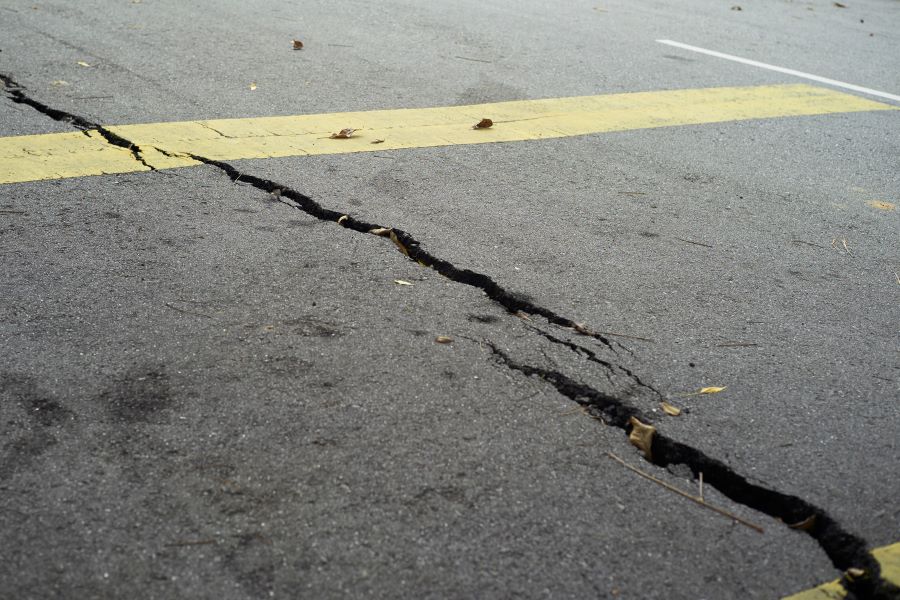
2. Common Types of Pavement Cracks
Before applying crack sealing techniques, it is essential to identify the type of crack present in the pavement. Different crack patterns may require different treatment approaches.
Common crack types include:
- Longitudinal cracks – occur parallel to the direction of traffic
- Transverse cracks – appear perpendicular to traffic flow, usually due to temperature changes
- Block cracks – form rectangular patterns caused by asphalt shrinkage
- Alligator cracks – interconnected cracks resembling reptile skin, indicating structural failure
- Edge cracks – occur along pavement edges due to poor drainage or weak shoulders
Crack sealing is most effective for non-structural cracks, while severe structural cracks may require resurfacing or reconstruction.
3. Hot-Pour Crack Sealing Method
3.1 Overview
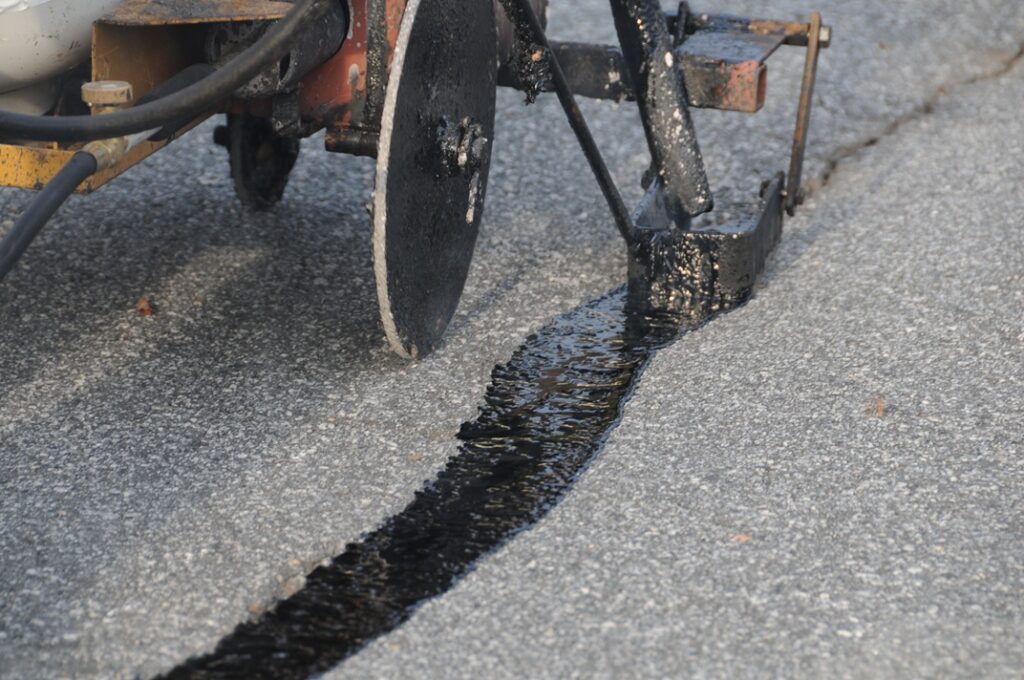
Hot-pour crack sealing is the most widely used and effective technique in professional pavement maintenance. In this method, rubberized asphalt sealant is heated to high temperatures and applied in a molten state into pavement cracks.
Hot-pour sealants are typically heated to 350–400°F (177–204°C) before application to ensure proper flow and adhesion.
Once applied, the sealant cools rapidly and forms a flexible, rubber-like material that bonds strongly with the asphalt surface.
3.2 Application Process
The hot-pour crack sealing process generally involves the following steps:
3.2.1 Crack Cleaning
Debris, dirt, vegetation, and loose materials are removed using wire brushes and compressed air. Proper cleaning ensures strong bonding between the sealant and the pavement surface.
3.2.2 Crack Preparation
In some cases, cracks may be routed or widened slightly to create a reservoir for the sealant.
3.2.3 Heating the Sealant
Rubberized sealant blocks are heated in specialized kettles until they reach the required temperature.
3.2.4 Sealant Application
The hot sealant is poured or injected into the crack using a hose or pour pot.
3.2.5 Finishing
The sealant is leveled and smoothed using a squeegee, often forming a small band over the crack to improve sealing performance.
3.2.6 Cooling
Hot-pour sealant usually cools and becomes traffic-ready within 15–30 minutes.
3.3 Advantages of Hot-Pour Crack Sealing
Hot-pour methods offer several benefits:
- Strong adhesion to asphalt surfaces
- Flexible sealant that expands and contracts with temperature changes
- Minimal shrinkage after curing
- Longer service life
- Suitable for large cracks
The flexibility of hot-pour sealants allows them to accommodate pavement movement caused by temperature fluctuations, preventing seal failure.
3.4 Limitations
Despite its advantages, hot-pour crack sealing has some drawbacks:
- Requires specialized equipment
- Higher initial cost
- Safety risks due to high temperatures
- Requires trained operators
However, due to its durability and performance, hot-pour sealing is widely used by transportation agencies and professional contractors.
4. Cold-Pour Crack Sealing Method
4.1 Overview
Cold-pour crack sealing involves applying liquid sealant directly into pavement cracks without heating. These sealants are typically asphalt emulsions or polymer-modified liquids that cure through evaporation and chemical reactions.
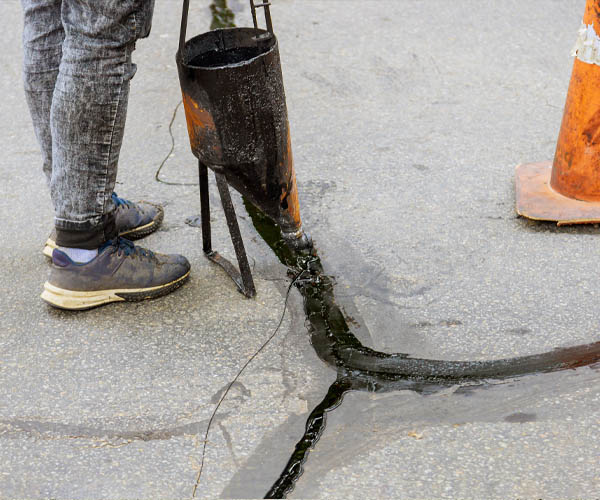
Cold-pour sealants are supplied in ready-to-use containers and can be applied using simple tools such as pour pots or squeegees.
4.2 Application Process
The cold-pour crack sealing process includes the following steps:
4.2.1 Surface Cleaning
Similar to hot-pour methods, cracks must be cleaned thoroughly to remove dirt and debris.
4.2.2 Sealant Application
The liquid sealant is poured directly into the crack using a container or pour pot.
4.2.3 Leveling
The material is spread evenly using a squeegee or trowel.
4.2.4 Curing
Cold-pour sealants require longer curing times, typically 2–4 hours or more, depending on weather conditions.
Cold-pour materials cure as moisture evaporates from the mixture.
4.3 Advantages of Cold-Pour Crack Sealing
Cold-pour techniques offer several practical benefits:
- Easy application without heating equipment
- Lower initial cost
- Reduced safety risks
- Suitable for small repair jobs
- Ideal for residential maintenance
Because the process does not require heating, cold-pour sealants are safer and simpler to apply compared to hot-pour materials.
4.4 Limitations
Cold-pour crack sealing has several limitations that affect its long-term performance:
- Less flexible after curing
- Higher shrinkage rates
- Weaker bond with asphalt
- Shorter lifespan
- Limited effectiveness in cold weather
Unlike hot-pour sealants, cold-pour materials often harden into a rigid form, which may cause them to crack or detach when pavement expands or contracts.
Additionally, cold-pour repairs generally last 1–2 years, whereas hot-pour repairs may last 3–5 years under proper conditions.
5. Comparison: Hot-Pour vs Cold-Pour Crack Sealing
| Feature | Hot-Pour Method | Cold-Pour Method |
| Application Temperature | Heated to 350–400°F | Applied at ambient temperature |
| Equipment | Specialized melters and applicators | Simple pour pots or containers |
| Flexibility | Highly flexible | Hard and less flexible |
| Bond Strength | Strong adhesion to asphalt | Moderate adhesion |
| Lifespan | 3–5 years | 1–2 years |
| Cost | Higher initial cost | Lower initial cost |
| Best Use | High-traffic roads and large cracks | Small cracks or temporary repairs |
Hot-pour sealing is generally preferred for municipal roads, highways, and parking lots, while cold-pour sealing is commonly used for small-scale repairs or residential driveways.
6. Factors Influencing Method Selection
6.1 Pavement Condition
Severely cracked pavements may require hot-pour sealing or more extensive repairs.
6.2 Crack Size
Hot-pour sealants perform better in larger cracks, typically between ¼ inch and 1 inch wide.
6.3 Weather Conditions
Cold-pour sealants require moderate temperatures for proper curing.
6.4 Budget Constraints
Cold-pour methods are cheaper but require more frequent maintenance.
6.5 Traffic Levels
High-traffic pavements usually require durable hot-pour sealing.
7. Equipments and Tools Used in Hot-Pour and Cold-Pour Crack Sealing Methods
7.1 Hot-Pour Crack Sealing
Hot-pour crack sealing requires specialized machinery because the sealant must be heated and maintained at high temperatures before application. Common heavy equipment used in this method includes:
Crack Sealing Melter Applicator
A melter applicator is the primary machine used in hot-pour crack sealing. It melts solid rubberized asphalt sealant blocks and keeps the material at the required temperature for proper application. These machines usually have an oil-jacketed heating system that prevents the sealant from burning and maintains uniform heating.
Crack Router
A crack router is used to widen or shape cracks before filling them with sealant. Routing creates a uniform channel that improves sealant penetration and bonding, which increases the durability of the repair.
Air Compressor
Air compressors are used to blow dust, debris, and loose materials out of cracks before sealing. Proper cleaning ensures strong adhesion between the sealant and the pavement surface.
Heat Lance
A heat lance produces high-temperature compressed air that removes moisture and dirt from cracks. It also warms the pavement surface to improve the bonding of hot sealant with the asphalt.
Sealant Applicator Wand or Hose
The applicator wand or hose is connected to the melter machine and allows operators to apply molten sealant precisely into pavement cracks.
Trailer-Mounted Crack Sealing Units
For large road maintenance projects, trailer-mounted crack sealing units are used. These mobile systems combine melters, compressors, and application equipment in one unit, allowing crews to work efficiently along highways and long road sections.
7.2 Cold-Pour Crack Sealing
Cold-pour crack sealing uses simpler equipment since the sealant does not require heating. However, some machinery is still necessary for crack preparation and sealant application.
Air Compressor or Air Blower
Air compressors are used to clean cracks by removing dust and debris before the sealant is applied.
Power Broom or Mechanical Sweeper
Mechanical sweepers or power brooms are used to clean the pavement surface and surrounding area before crack sealing operations begin.
Pour Pots or Sealant Dispensers
Pour pots are commonly used to apply cold-pour sealant directly into pavement cracks. These containers allow controlled pouring of the sealant material.
Sealant Pumps or Applicator Systems
For larger projects, sealant pumps are used to distribute the liquid sealant more efficiently across long pavement cracks.
Utility Trucks
Utility trucks are often used to transport sealant materials, equipment, and workers during cold-pour crack sealing operations, especially for maintenance projects on large road networks.
Conclusion
Crack sealing is an essential preventive maintenance practice that protects asphalt pavements from water infiltration and structural deterioration. By sealing cracks early, road authorities and property owners can significantly extend pavement life and reduce costly repairs.
Hot-pour and cold-pour crack sealing methods each serve specific purposes. Hot-pour sealing provides superior durability, flexibility, and long-term performance, making it the preferred choice for highways and heavily trafficked pavements. Cold-pour sealing, on the other hand, offers a simpler and more economical solution for minor cracks and temporary repairs.
Ultimately, the selection of crack sealing techniques depends on pavement condition, crack size, environmental factors, and maintenance budgets. When applied correctly and at the right time, both methods play an important role in modern pavement preservation strategies.