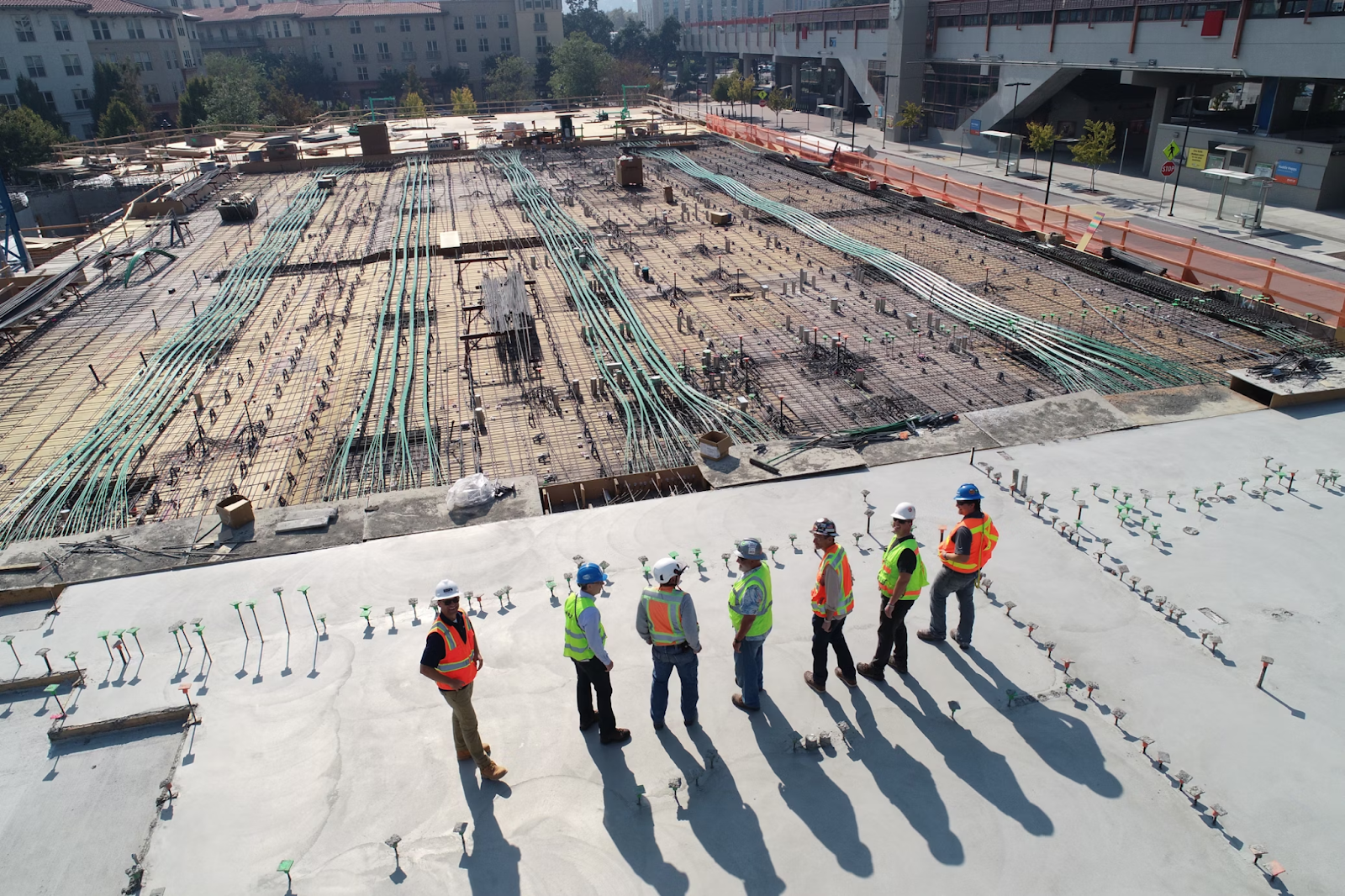
Construction projects demand coordination across multiple specialized services. Even straightforward builds require infrastructure installation, safety systems, site management and ongoing coordination between various contractors and stakeholders.
Successful project delivery depends on integrating these diverse services into cohesive workflows. When coordination breaks down, projects experience delays, cost overruns and quality issues.
Understanding the full scope of support services construction projects require helps developers, contractors and facility managers make informed decisions about service providers and project planning.
Construction Project Complexity
Modern construction involves far more than basic building work. Projects require electrical systems, plumbing, HVAC installation, communications infrastructure and numerous other specialized trades. Each brings unique requirements, timelines and coordination needs.
Site preparation establishes foundations for everything that follows. Proper drainage, utility connections, access roads and staging areas all require careful planning and execution. Skipping or rushing site prep creates problems throughout remaining construction phases.
Safety systems protect workers, visitors and the public during construction and after project completion. Temporary barriers, signage, lighting and traffic management keep sites secure. Permanent safety infrastructure becomes part of finished facilities.
Regulatory compliance adds another layer of complexity. Building codes, safety standards, environmental regulations and local ordinances all impose requirements affecting project planning and execution. Documentation, inspections and approvals consume significant time and attention.
Multi-phase projects present particular coordination challenges. Different contractors work in sequence or simultaneously. Materials arrive on tight schedules requiring proper storage and handling. Weather, supply chain issues and workforce availability all impact timelines.
Cost management requires constant vigilance. Budget overruns often stem from poor coordination rather than individual service costs. Rework due to miscommunication, delays waiting for prerequisites and change orders from inadequate planning all inflate expenses.
Communication between stakeholders makes or breaks projects. Developers, contractors, subcontractors, inspectors and end users all need current information. Misunderstandings about specifications, timelines or responsibilities create friction and delays.
Documentation provides essential project records. Plans, permits, inspection reports, change orders and completion certificates all require proper organization and storage. Missing documentation causes problems during inspections, handovers and future modifications.
Quality control demands systematic approaches. Random checks miss problems that become expensive to fix later. Comprehensive quality management throughout construction prevents defects and ensures projects meet specifications.
Site Infrastructure and Safety Systems
Construction sites require robust infrastructure supporting daily operations and long-term facility use. Traffic flow, pedestrian access, parking and loading zones all need thoughtful design and clear marking.
Ground-level traffic management prevents accidents and maintains efficient operations. Construction equipment, delivery vehicles, worker transportation and visitor access all compete for limited space. Poor traffic planning creates bottlenecks, safety hazards and frustrated stakeholders.
Pedestrian safety deserves particular attention. Workers move throughout sites accessing different work areas. Visitors including inspectors, clients and delivery personnel need safe routes. Separating pedestrian and vehicle traffic reduces accident risks substantially.
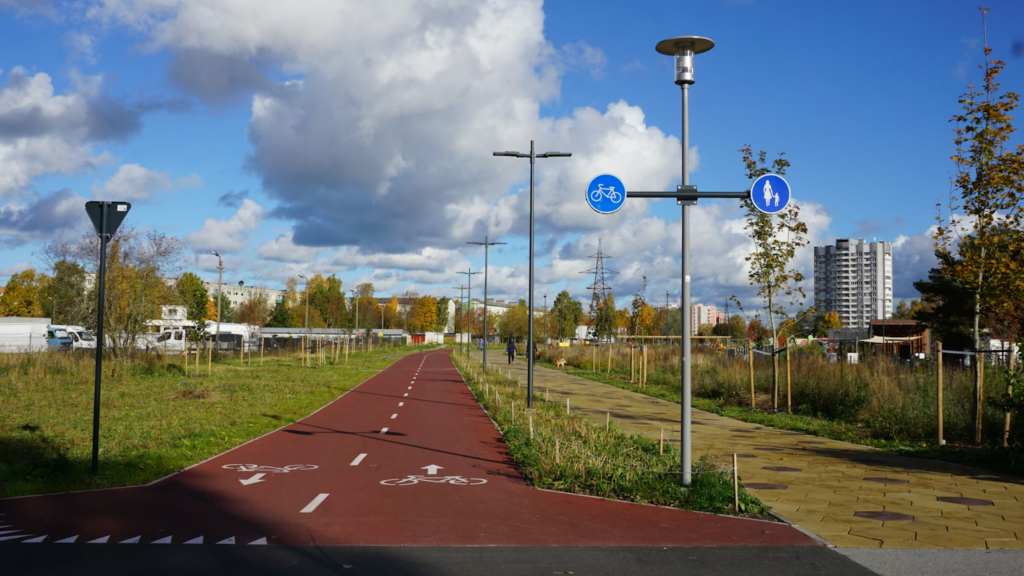
Clear wayfinding helps everyone navigate sites safely and efficiently. Directional signage, area identification and hazard warnings guide movement while reducing confusion. Good signage systems also demonstrate professionalism and attention to safety.
Temporary infrastructure eventually gives way to permanent systems. Parking areas, driveways, walkways and loading zones transition from construction use to operational facilities. Planning for this transition ensures smooth handovers and reduces rework.
Site infrastructure installation requires specialized expertise and proper materials. Professional services ensure markings meet visibility standards, use appropriate materials for conditions and comply with safety regulations. Quality infrastructure installation services such as pedestrian walkway line marking provide durable, clearly visible safety systems using thermoplastic materials and reflective elements that withstand heavy traffic and adverse weather conditions whilst meeting New Zealand safety standards, creating safe pedestrian routes that protect workers during construction and building occupants after completion.
Maintenance planning extends infrastructure lifespan. Even durable materials wear over time. Regular inspections identify areas needing refresh before they become safety concerns. Planned maintenance costs less than emergency repairs after accidents occur.
Lighting coordinates with ground markings for 24-hour visibility. Construction sites often operate beyond daylight hours. Proper illumination makes markings effective day and night. This proves particularly important for safety-critical areas like pedestrian crossings and equipment zones.
Accessibility requirements affect infrastructure design. Ramps, crossing grades and surface textures must accommodate all users including those with mobility challenges. Meeting accessibility standards avoids costly retrofits and legal issues.
Development Property and Site Management
Construction projects create temporary property management challenges. Sites require security, access control, utility coordination and ongoing maintenance throughout build phases. These management functions directly impact project success.
Security protects valuable equipment, materials and work in progress. Construction sites attract theft and vandalism. Proper fencing, lighting, access control and monitoring systems deter problems while providing accountability when incidents occur.
Access management balances security with operational needs. Workers, suppliers, inspectors and other authorized personnel need reliable site entry. Visitor logs, identification systems and escort protocols maintain security without creating bottlenecks.
Utility coordination ensures power, water, communications and other services remain available throughout construction. Temporary connections support construction activities. Planning permanent utility routing prevents conflicts with building systems and site infrastructure.
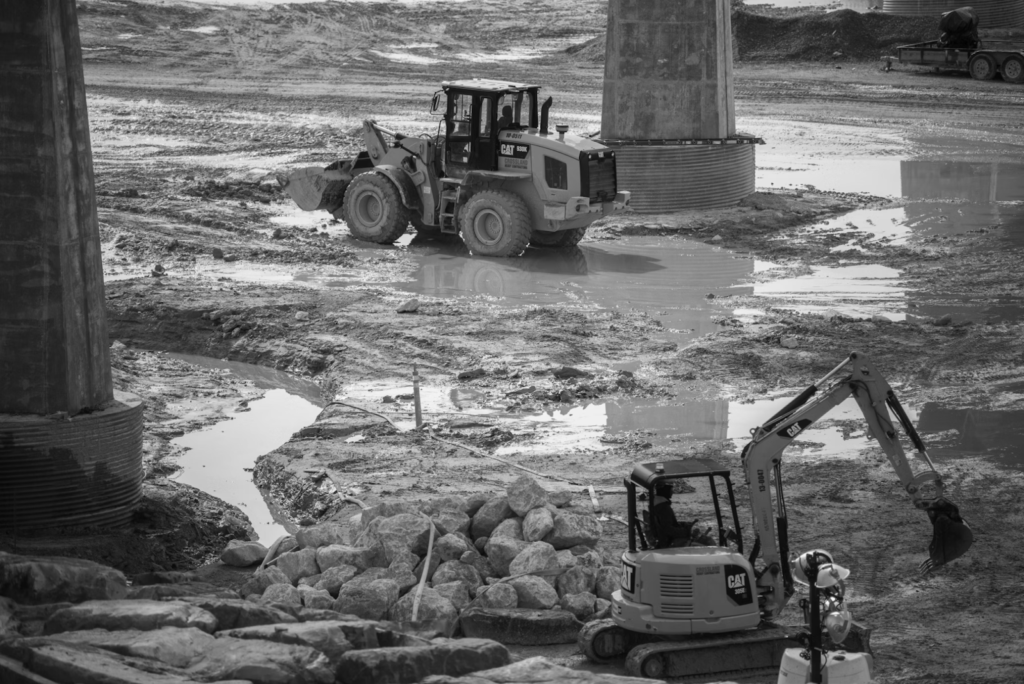
Site maintenance keeps construction areas functional and safe. Mud, debris and weather damage create hazards and slow work. Regular cleaning, drainage management and temporary surface maintenance support productivity.
Environmental management addresses dust, noise, runoff and waste. Neighboring properties deserve protection from construction impacts. Proper controls maintain community relations and ensure regulatory compliance.
For development projects particularly those involving multiple sites or phased construction, comprehensive oversight ensures consistent standards and efficient operations. Property management services with construction project experience understand the unique needs of development sites, and specialized providers such as Papakura property management services offer expertise in coordinating construction site operations, managing contractor access, overseeing site security and maintaining properties throughout development phases, providing the administrative infrastructure that keeps complex projects running smoothly whilst developers and contractors focus on building work.
Transition planning bridges construction completion and operational handover. Final inspections, defect management, systems commissioning and documentation handover all require coordination. Smooth transitions prevent operational disruptions and user frustration.
Stakeholder communication maintains alignment throughout projects. Regular updates about progress, schedule changes and upcoming activities keep everyone informed. Good communication prevents surprises and builds confidence.
Documentation management creates essential project records. Contracts, permits, inspection reports, material certifications and completion documents all need organized storage. Complete records support final approvals, warranty claims and future modifications.
Integrated Service Coordination
Construction projects benefit enormously from integrated service approaches. Rather than managing dozens of independent contractors, consolidated coordination reduces complexity and improves outcomes.
Single-point coordination simplifies communication. One contact manages multiple service streams. This reduces misunderstandings, speeds decisions and improves accountability. Project stakeholders appreciate not juggling numerous contractor relationships.
Schedule coordination prevents conflicts and delays. Integrated planning ensures prerequisites complete before dependent work begins. Equipment sharing, staged access and resource allocation all benefit from comprehensive oversight.
Quality consistency improves across service categories. Integrated providers maintain uniform standards rather than each contractor applying different approaches. This consistency shows in finished projects and reduces rework.
Cost efficiency emerges from coordination economies. Consolidated purchasing, equipment sharing and optimized scheduling all reduce expenses. Integrated approaches often cost less than individual service contracts totaling the same scope.
Risk management strengthens through comprehensive oversight. Insurance coverage, safety compliance and quality assurance all benefit from unified management. Gaps between contractor responsibilities disappear.
Moving Forward
Construction projects require diverse specialized services working in coordination. Infrastructure installation, safety systems, property management and ongoing site coordination all contribute to successful outcomes.
Understanding these service categories helps project stakeholders make informed decisions. Whether developing new facilities, expanding existing properties or managing complex renovations, comprehensive service coordination delivers better results.
Infrastructure and safety systems protect people while supporting efficient operations. Professional installation ensures systems meet standards and perform reliably throughout their service lives.
Property and site management throughout construction phases maintains security, functionality and stakeholder confidence. Proper oversight prevents problems whilst supporting smooth project progression.
Integrated service coordination reduces complexity whilst improving outcomes. Single-point management streamlines communication, prevents conflicts and ensures consistent quality across all project elements.
Successful construction depends on getting these support services right. Projects with solid infrastructure, proper safety systems and effective management progress smoothly and deliver quality results. Those lacking comprehensive coordination struggle with delays, cost overruns and quality issues.
Investing in proper project services pays dividends through fewer problems, faster completion and better finished facilities. The coordination, expertise and systematic approaches professional services provide prove their value throughout project lifecycles and beyond.