Concrete is one of the most essential materials in modern construction, widely used in buildings, bridges, pavements, and infrastructure projects. Its strength, durability, and adaptability make it a preferred choice across the globe. However, achieving high-quality concrete is not solely dependent on mix design—it also relies heavily on execution, environmental control, and proper curing practices.
One of the most persistent challenges in construction is the occurrence of concrete surface defects. Although these defects may appear minor at first, they often indicate deeper issues that can impact durability, safety, and long-term performance. A clear understanding of these defects is therefore essential for ensuring structural integrity and reducing lifecycle maintenance costs.
Understanding Concrete Surface Defects
Concrete surface defects are irregularities or imperfections that develop on the exposed surface either during construction or after the concrete has hardened. These defects can originate at different stages, including mixing, placement, finishing, and curing.
In most real-world scenarios, defects are not caused by a single issue but by a combination of factors such as poor workmanship, improper material proportions, or adverse environmental conditions. While some defects remain superficial, others can significantly reduce the service life of the structure if not addressed in time.
Major Causes of Concrete Surface Defects
Concrete surface defects usually result from a combination of material-related issues, construction practices, and environmental conditions. A brief overview of the major causes highlights how interconnected these factors are:
- Material issues such as high water-cement ratio or poor aggregate grading can weaken the surface and promote segregation.
- Workmanship errors, including improper mixing, inadequate vibration, and incorrect finishing, are among the most common contributors.
- Curing deficiencies often lead to rapid moisture loss, resulting in shrinkage and cracking.
- Environmental exposure, including high temperatures, strong winds, or freeze-thaw cycles, accelerates deterioration.
- Structural factors like overloading or differential settlement can induce stresses that manifest as surface defects.
Understanding these causes is the first step toward effective prevention.
Concrete Surface Defects – Key Signs
- 🪨 Cracking – Hairline or wide cracks on the surface
- 🧂 Efflorescence – White powdery salt deposits
- 🕳️ Honeycombing – Voids exposing aggregates
- 💧 Bleeding Marks – Water rising and leaving weak layer
- 🧩 Scaling – Flaking or peeling of top surface
- 🌫️ Dusting – Powder forming on the surface
- 🫧 Blistering – Air bubbles trapped under surface
- 📄 Delamination – Thin layer separating from base
- 🔨 Spalling – Chipping or breaking of concrete
- 🎨 Discoloration – Uneven or patchy color
- 📉 Uneven Finish – Rough or wavy surface
- 🔘 Pop-outs – Small conical holes
- 🧪 Laitance – Weak milky surface layer
- 🔩 Rust Stains – Brown marks from steel corrosion
Impact on Performance and Durability
Concrete surface defects can have both immediate and long-term implications. While minor defects may initially seem harmless, they often act as entry points for water, oxygen, and aggressive chemicals.
Over time, this increased permeability can lead to:
- Corrosion of reinforcement
- Reduction in load-bearing capacity
- Loss of surface strength and abrasion resistance
- Increased maintenance and repair costs
In severe cases, untreated defects may result in premature structural failure, emphasizing the importance of early detection and timely intervention.
Common Types of Concrete Surface Defects
1. Cracking
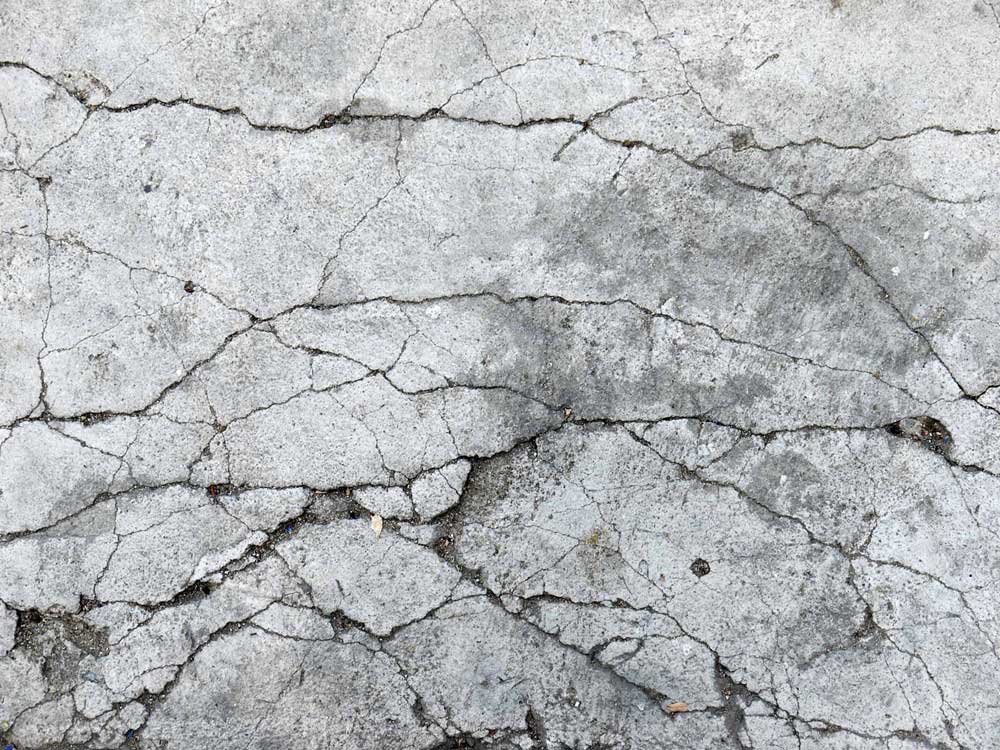
Cracking is the most common defect observed in concrete structures and is often unavoidable to some extent. It occurs when tensile stresses exceed the concrete’s inherent tensile strength. These stresses may develop due to shrinkage, temperature variations, or external loads.
Some of the primary reasons behind cracking include:
- Rapid evaporation of surface moisture
- High water-cement ratio
- Improper or insufficient curing
- Thermal movements and structural stresses
Cracks, if left untreated, can act as pathways for water and chemicals, eventually leading to reinforcement corrosion and long-term deterioration.
2. Crazing (Map Cracking)
Crazing appears as a network of fine, shallow cracks forming a random pattern on the surface. It is typically caused by rapid drying of the surface layer or excessive finishing operations.
It is commonly associated with:
- Over-troweling or excessive finishing
- Rich cement paste accumulation at the surface
- Rapid moisture loss during early stages
Although crazing is generally superficial, it can affect durability by increasing surface permeability over time.
3. Scaling and Spalling
Scaling and spalling are more severe forms of surface deterioration that often occur in exposed concrete.
- Scaling involves the flaking or peeling of the surface layer, usually due to freeze-thaw cycles or poor curing practices.
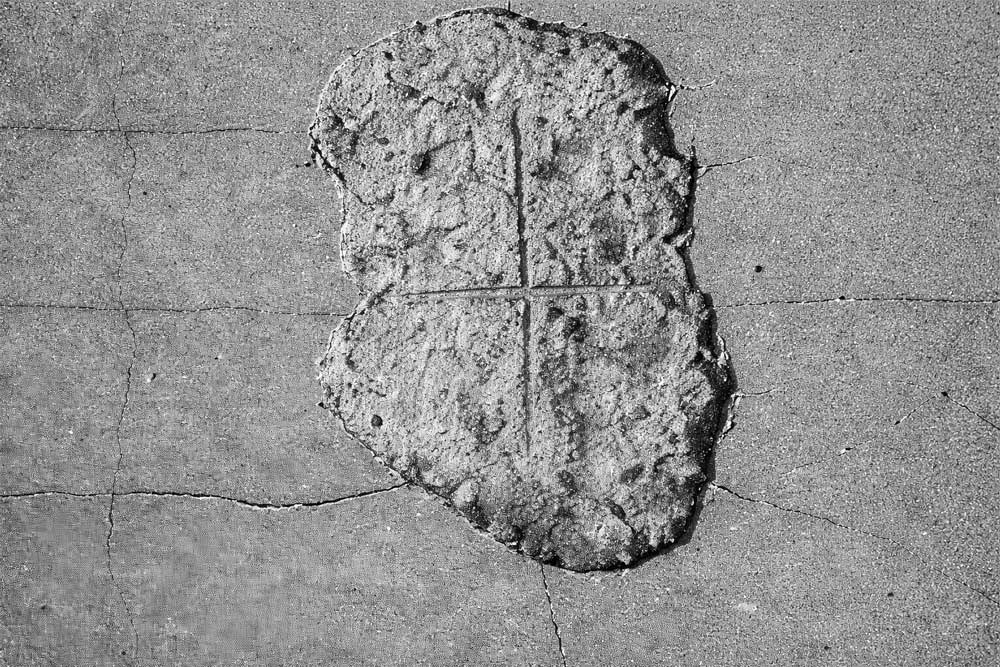
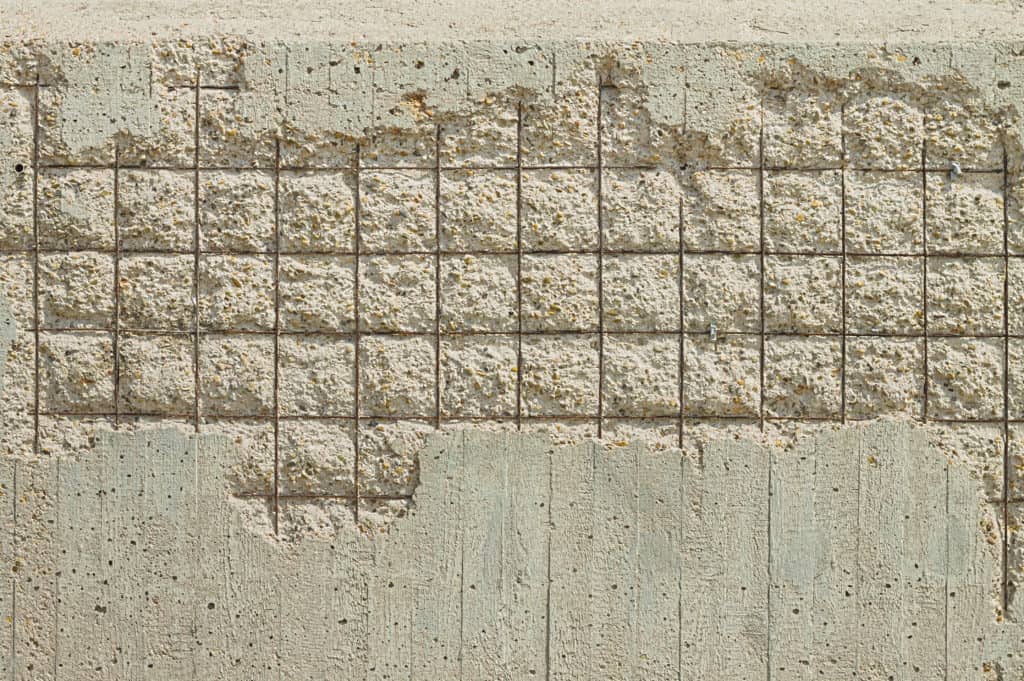
- Spalling refers to the breaking away of larger portions of concrete, often exposing reinforcement. This is typically linked to corrosion of steel or internal stress buildup.
Both defects weaken the concrete surface and significantly reduce durability.
4. Efflorescence
Efflorescence is identified by a white, powdery deposit that forms on the surface. It occurs when water within the concrete dissolves soluble salts and carries them to the surface, where they are left behind after evaporation.
While primarily an aesthetic issue, efflorescence indicates moisture movement within the concrete, which may lead to further durability concerns if ignored.
5. Honeycombing
Honeycombing is a serious defect characterized by voids or cavities that give the concrete a rough and porous appearance. It is usually the result of inadequate compaction or improper placement techniques.
This defect not only affects appearance but also reduces the structural strength of concrete and increases its permeability, making it more vulnerable to environmental damage.
6. Finishing-Related Defects
Improper finishing practices can lead to several surface issues that affect both strength and durability. The most common among these include blistering, dusting, and delamination.
These defects generally occur due to premature finishing or incorrect handling of bleed water. For example, finishing the surface before bleed water evaporates can trap moisture and air beneath the surface, leading to weak layers that may later detach.
Prevention Strategies
Preventing surface defects requires a systematic approach that focuses on quality control at every stage of construction.
Key preventive measures include:
- Optimized mix design: Maintain proper water-cement ratio and use quality materials
- Proper compaction: Ensure adequate vibration to eliminate air voids
- Controlled finishing: Avoid overworking the surface and finish at the right time
- Effective curing: Maintain moisture and temperature conditions for proper hydration
- Environmental protection: Shield concrete from extreme weather conditions
Attention to detail and adherence to best practices can significantly reduce the occurrence of defects.
Repair and Remedial Measures
Even with proper precautions, defects may still occur, making timely repair essential.
Common repair techniques:
- Crack repair:
- Epoxy injection for structural cracks
- Sealing for non-structural cracks
- Surface repair:
- Patching with repair mortars
- Removal of damaged concrete
- Surface treatment:
- Grinding and polishing
- Application of overlays
- Protective measures:
- Sealers and coatings to prevent moisture ingress
- Anti-corrosion treatments for reinforcement
The selection of repair methods depends on the severity and type of defect.
Conclusion
Concrete surface defects are an inevitable challenge in construction, but their impact can be significantly minimized through proper planning, execution, and maintenance. While some defects are cosmetic, others can have serious implications for durability and structural performance.
A comprehensive approach that combines proper mix design, skilled workmanship, effective curing, and timely inspection is essential for achieving high-quality concrete surfaces. With advancements in construction practices and repair technologies, it is now easier to detect and address defects at an early stage.