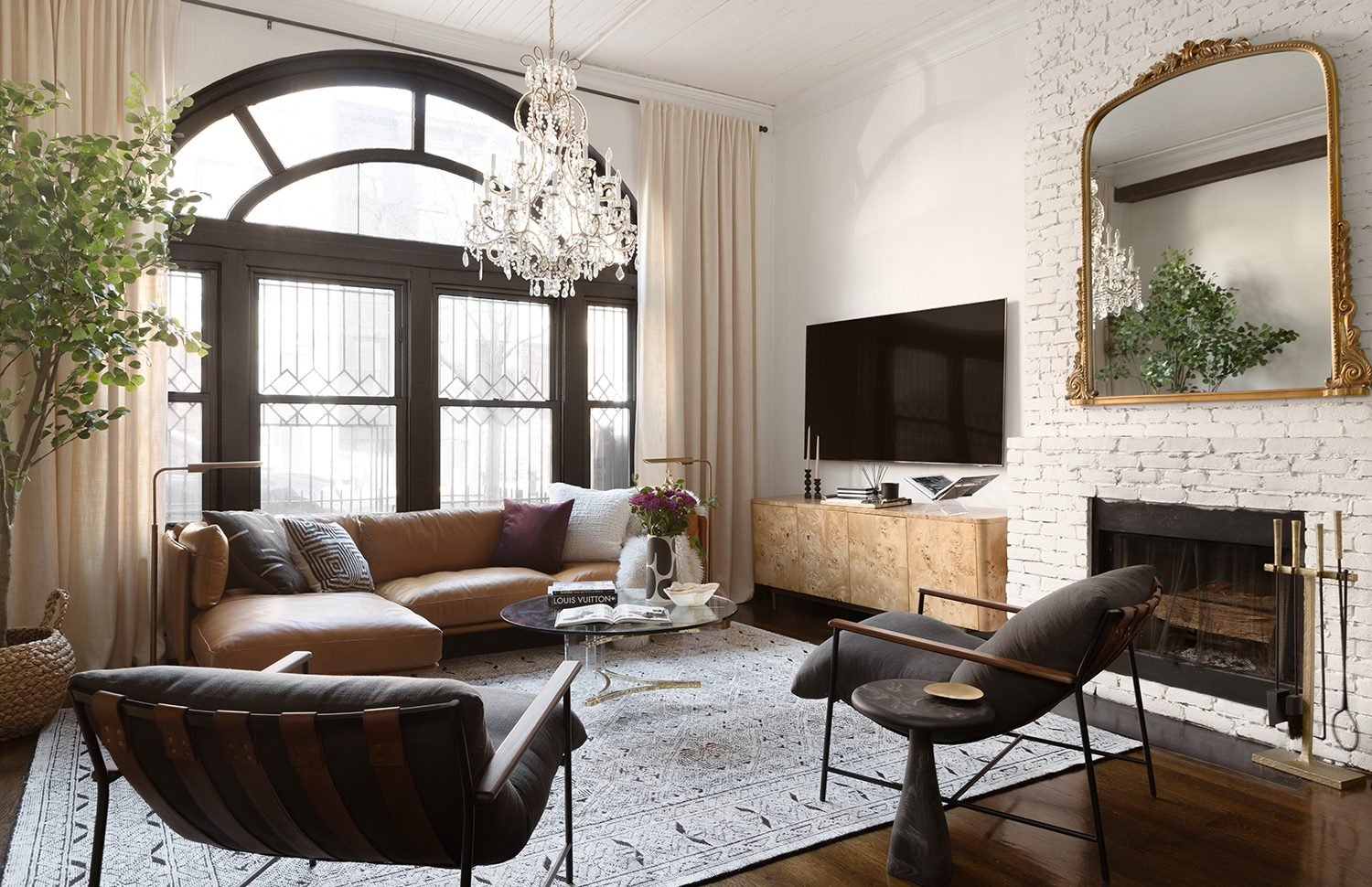
Living rooms do a lot: they host movie nights, reading sessions, quick breakfasts, remote work, playtime, and everything in between. That’s why an awkward layout can feel so frustrating—every activity collides when scale, flow, and focus aren’t dialled in. The good news? Most issues come down to a small set of repeatable mistakes. Fix those, and the room starts working with you, not against you, making daily life smoother and the space instantly more welcoming.
1. Long, narrow rooms that feel like hallways
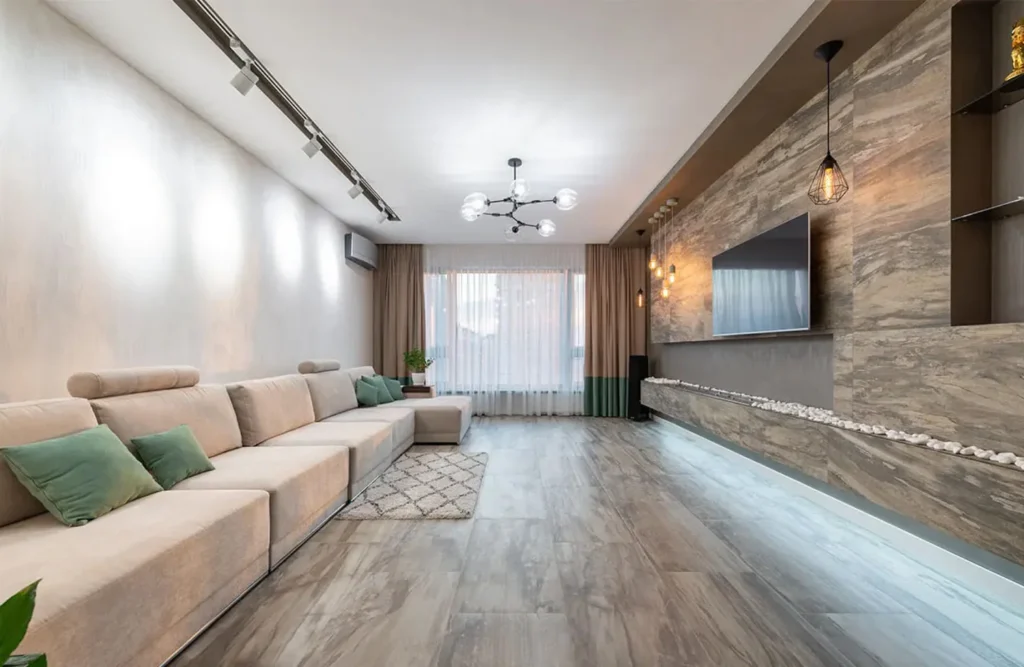
The problem: Furniture clings to the walls, creating a “runway” down the middle that emphasises length and makes conversation feel distant.
The fix: Establish a clear walkway of about 90 cm along the natural route, then pull seating off the walls to form a single conversation island. A rug large enough to catch at least the front legs of each seat helps the eye read the space as wider, not longer. Anchor with a coffee table proportional to your sofa so the grouping feels intentional instead of scattered.
- Keep 40–45 cm between sofa and coffee table for comfort and reach.
- Float a slim console or bench behind the sofa to visually shorten the room’s “bowling alley” effect.
- Balance both ends with symmetrical lamps or art so one side doesn’t feel heavier.
2. Open-plan spaces that feel chaotic
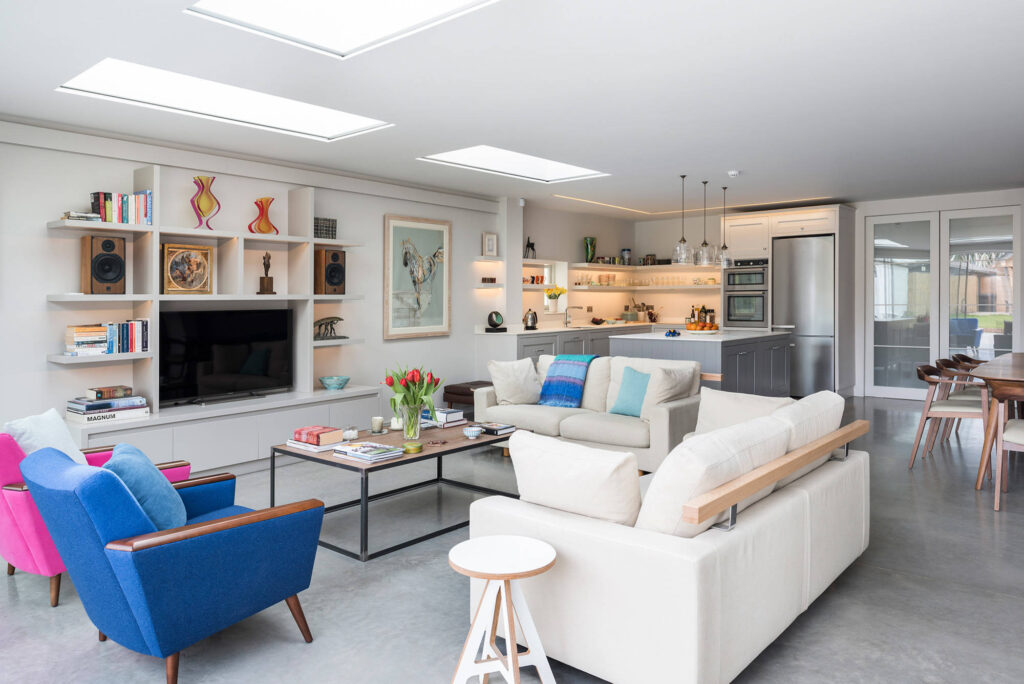
The problem: In open-plan homes, the living area competes with kitchen and dining, losing identity and sounding noisy.
The fix: Create gentle boundaries. A rug defines the lounge zone, while a low bookcase, console, or the back of a sofa acts as a subtle divider. Consider a “broken-plan” approach with shelves or screens that filter sound and views without blocking light. Align lighting so each zone has its own cue: pendants for dining, task light for kitchen, layered lamps for living.
- Always keep a clear path from kitchen to dining to avoid detours through the lounge.
- Repeat one unifying material across zones (wood, black metal) so the whole reads as a family.
- Place the TV away from cooking glare and extractors to reduce reflections and noise spill.
3. Rugs that are too small
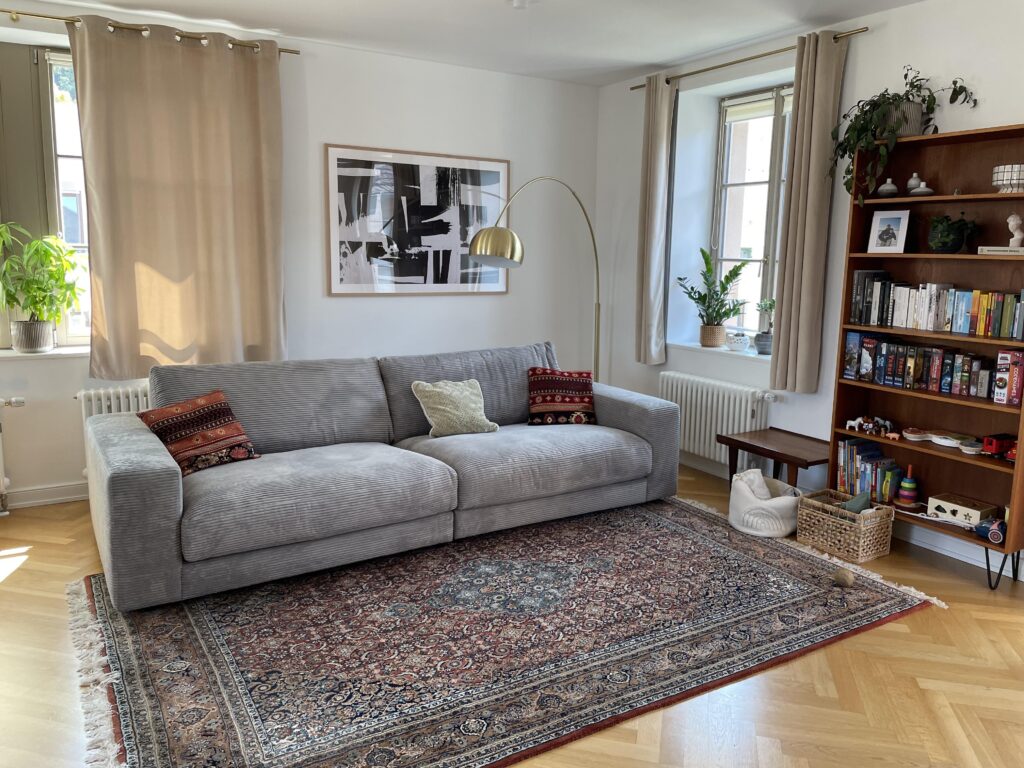
The problem: A postage-stamp rug floats in front of the sofa and makes the room feel meaner than it is.
The fix: Size up so at least the front legs of sofas and chairs rest on the rug. If space allows, go larger so all legs sit on it with a neat border to the walls. The correct rug locks the seating area, improves acoustics, and calms proportions instantly.
- Choose a flatweave in smaller rooms to keep doors swinging freely.
- Echo one or two rug colours in pillows or throws for a cohesive palette.
- If unsure, mark proposed sizes on the floor with masking tape before purchasing.
4. Coffee tables that don’t work
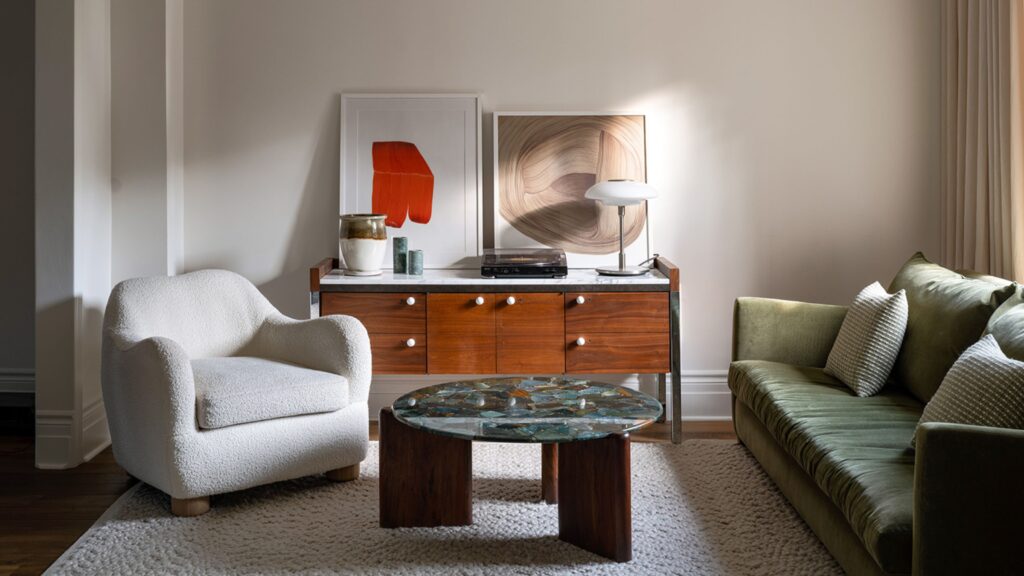
The problem: Coffee tables are either too far to be useful or too bulky to walk around, creating awkward stretches or traffic jams.
The fix: Target 35–45 cm from sofa edge to tabletop. As a rule of thumb, a table about two-thirds the length of your sofa looks and functions best. In tight rooms, swap to nesting tables or a round ottoman with a tray to vary surface and circulation as needed.
- Leave 60–75 cm for circulation in main walkways, especially around door lines.
- Choose rounded corners near thoroughfares to reduce bumps and bruises.
- Match table height to the sofa seat height for easy reach without hunching.
5. TV size and distance mismatch
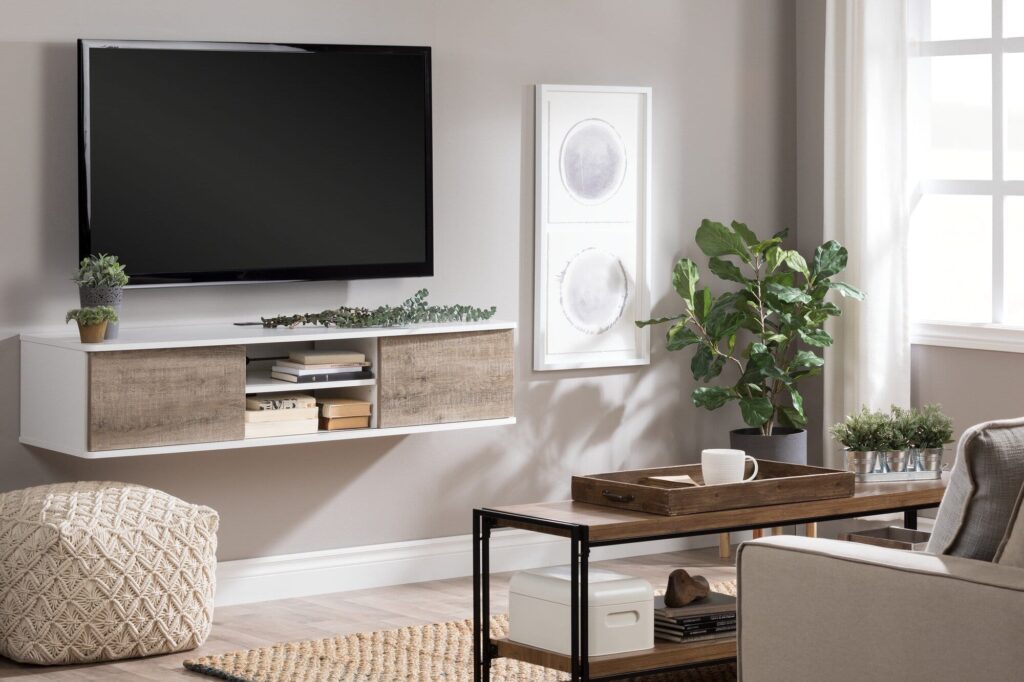
The problem: Sit too close and the screen overwhelms; too far and details vanish, undermining viewing comfort.
The fix: Use a simple guide: viewing distance (in inches) ÷ 1.6 ≈ recommended TV size. Adjust for higher resolutions and personal preference, and angle seating—not the TV—so you reduce glare and keep the room flexible for conversation.
- Keep screens perpendicular to windows where possible to minimise reflections.
- Use a low, wide media unit to visually ground the wall and store devices.
- Hide cables with trunking or in-unit management so technology doesn’t dominate.
6. TVs mounted too high
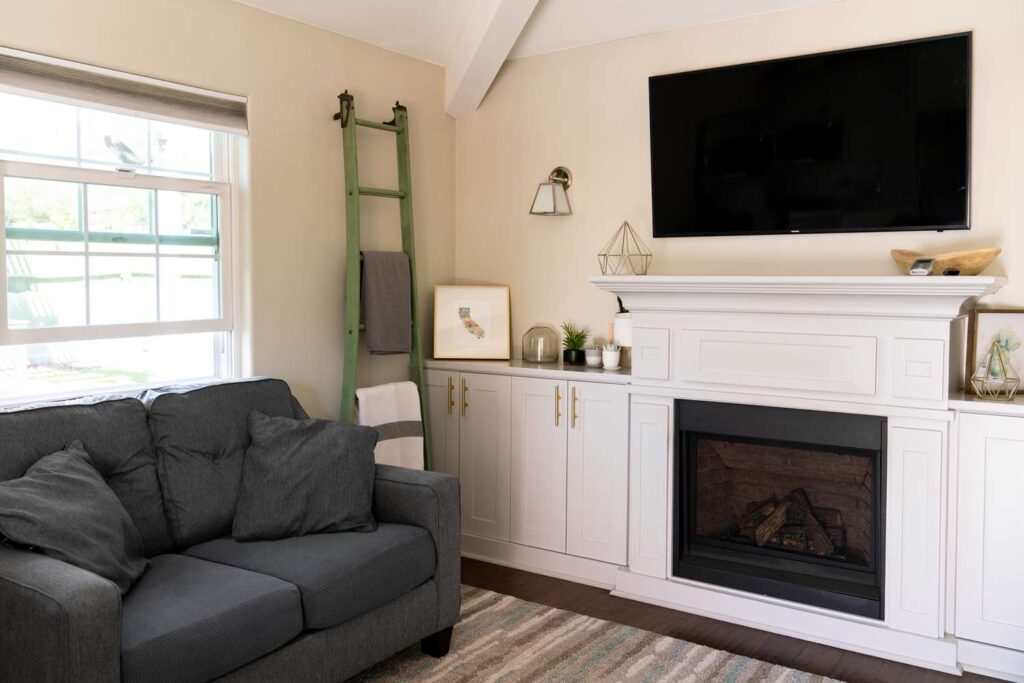
The problem: A TV placed near ceiling height leads to neck strain and poor viewing angles.
The fix: Aim for the screen centre at roughly 100–110 cm from the floor—around seated eye level. If mounting above a fireplace is unavoidable, keep the screen as low as practical and tilt it slightly downward. Consider art or a mirror above the mantle and place the TV on a low console instead if ergonomics matter most.
- Test with painter’s tape to preview height before drilling.
- Use an adjustable bracket to fine-tune angle after installation.
- Ensure the viewing cone suits all main seats, not just one spot.
7. L-Shaped rooms that feel disjointed
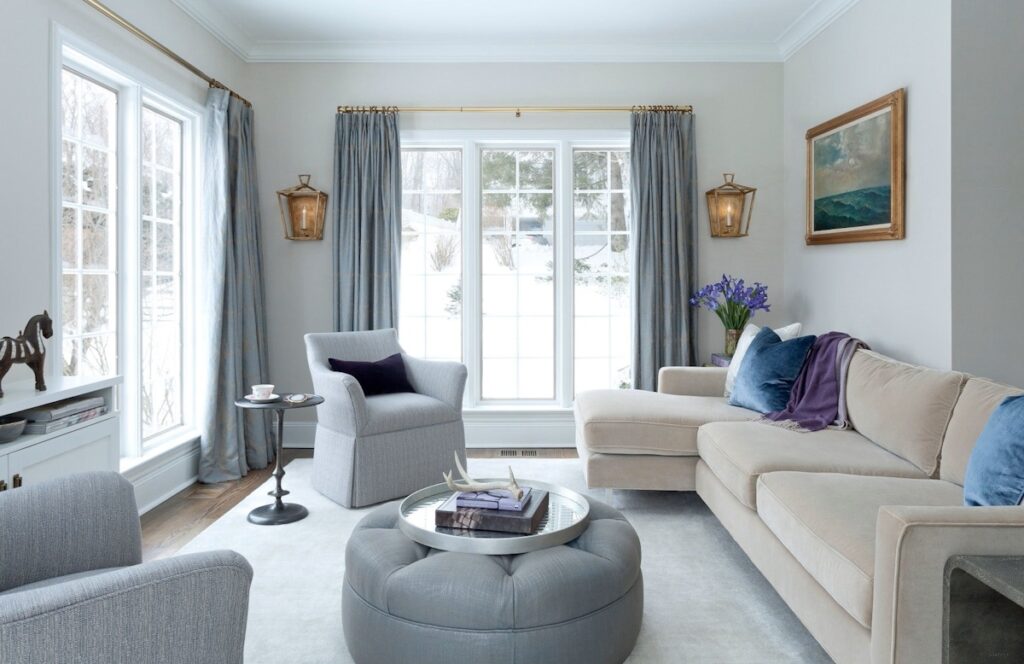
The problem: An L-shape often creates two weak seating clusters that don’t connect, so conversation feels fragmented.
The fix: Pick one focal point (fireplace, view, or TV) and gather all seating around it. A corner sofa unifies the angle; alternatively, pair a straight sofa with two chairs turned on the diagonal to bridge the “elbow.” Use one continuous rug to stitch the legs of the “L” together and keep side tables shared rather than isolated.
- Place floor lamps at the bend of the “L” to illuminate both arms evenly.
- Repeat the same wood tone or metal finish across both zones to link them visually.
- Use artwork to pull focus toward the chosen centre rather than the awkward corner.
8. Bays and chimney breasts eating space
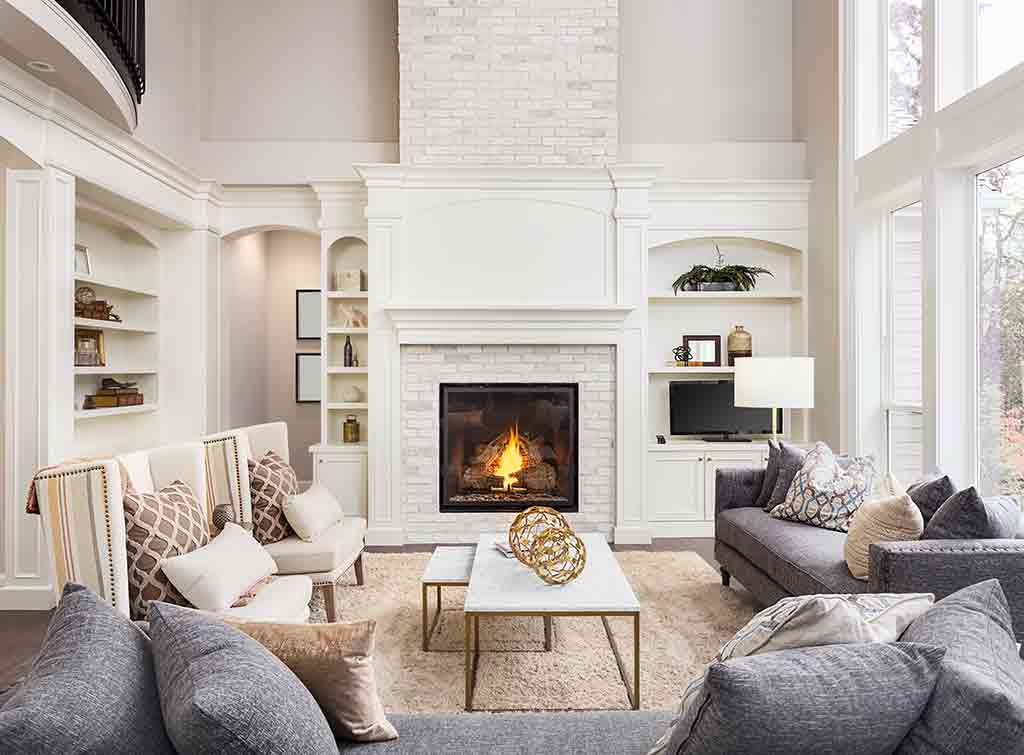
The problem: Character features are beautiful but complicate furniture placement and reduce usable floor area.
The fix: Keep sofas parallel to a bay rather than forcing them into the curve. Turn the bay into a window seat, reading niche, or slim desk so it becomes functional rather than dead space. Treat alcoves beside chimney breasts as opportunities for built-ins, shallow media units, or display shelving that respect the room’s symmetry.
- Choose shallow-depth storage (25–30 cm) in alcoves to preserve circulation.
- Use made-to-measure cushions on bay seats for a tailored finish.
- Let curtains stack on the wall, not across glass, to keep the bay bright and usable.
9. Too many doors splitting the room
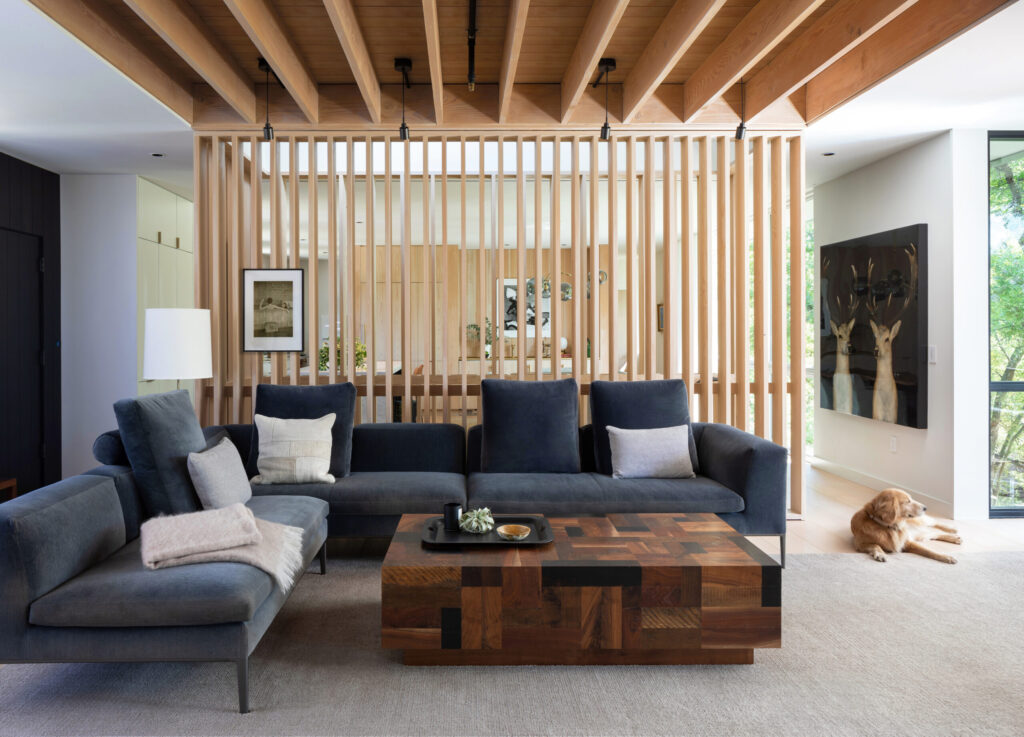
The problem: Multiple openings slice the layout and limit wall space, making it hard to create a calm seating plan.
The fix: Identify the main route and keep it clear. Place seating in the quietest corner away from door swing, and consider flexible pieces like a chaise, swivel, or armless chair. Where possible, replace a hinged door with a sliding or pocket version to free up floor area and reduce conflicts with side tables and lamps.
- Cluster storage near entry doors to catch everyday clutter before it spreads.
- Use low-back seating near traffic paths to keep sightlines open.
- If a door is rarely used, consider converting to a wider cased opening for flow.
10. Poor lighting and not enough sockets
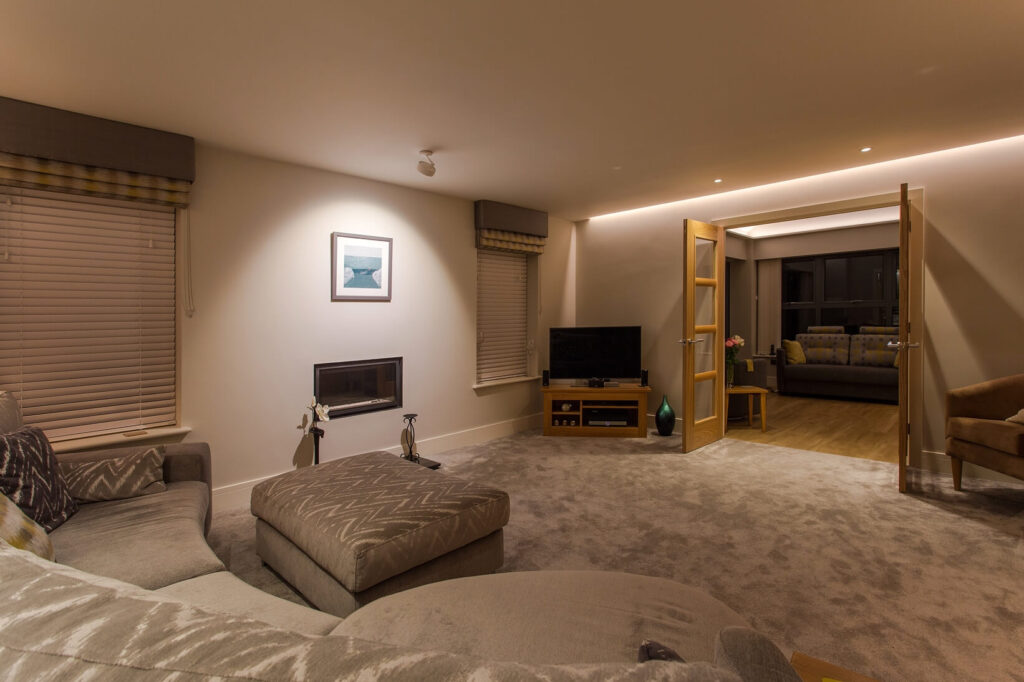
The problem: One central pendant leaves dark corners, and too few sockets force furniture against walls with trailing cables.
The fix: Layer light: ambient (ceiling or wall washers), task (reading lamps), and accent (picture lights, uplights). Plan power so lamps can sit mid-room without trip hazards—floor outlets, flat under-rug cords, or cable covers are quiet game-changers. Add dimmers so one room serves many moods from morning to movie night.
- Position a floor lamp where two seats can share it to reduce clutter.
- Use warm bulbs for evening calm and neutral-white for daytime tasks.
- Hide smart plugs inside consoles to keep tech discreet.
Use art to lock the layout
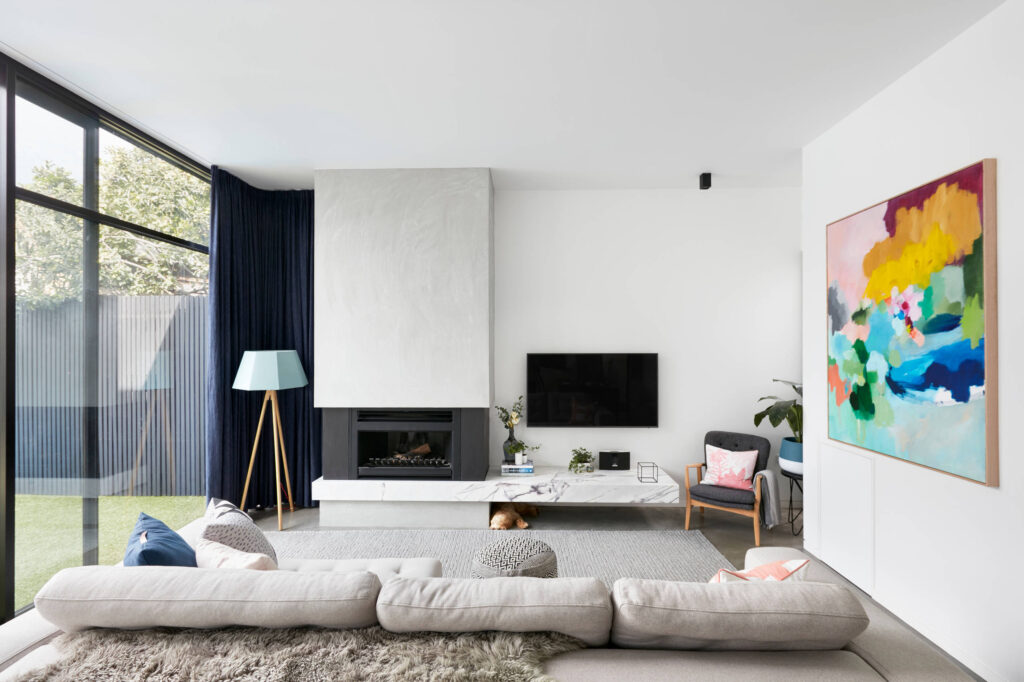
After you solve flow and spacing, a clear focal point makes everything feel intentional. A single oversized artwork above a sofa or fireplace can unify seating, set the palette, and remove the need for extra side furniture. For scale-specific pieces that match your colours and wall width, explore curated large-format options at https://tryartwork.com/—one confident statement can anchor the plan and guide where lamps, tables, and accent chairs naturally fall, turning a decent layout into a room with presence.
Make the room work harder: one-stop rules
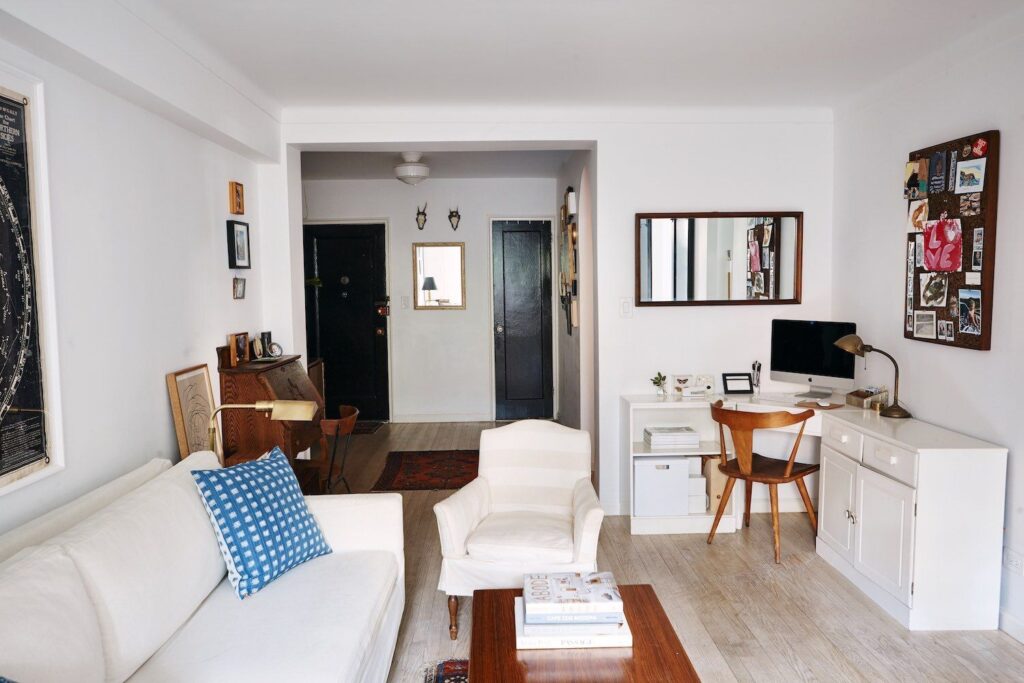
Most living-room issues come down to scale, spacing, and a missing focal point. Define clear paths first, pull seating together on a correctly sized rug, right-size the coffee table and TV, layer light where you actually sit, and let one strong artwork lead the eye so the room feels intentional and lives effortlessly every day.
- Walkways: ~90 cm clear for comfortable circulation.
- Sofa ↔ coffee table: 35–45 cm for easy reach without crowding.
- Rug: at least front legs of all seating on the rug; larger if space allows.
- TV size: viewing distance (inches) ÷ 1.6 as a quick comfort guide.
- TV height: screen centre ~100–110 cm from floor (seated eye level).
- Side tables: top roughly level with sofa arm for ergonomic reach.
- Lamp shades: bottom edge near seated eye level to avoid glare.