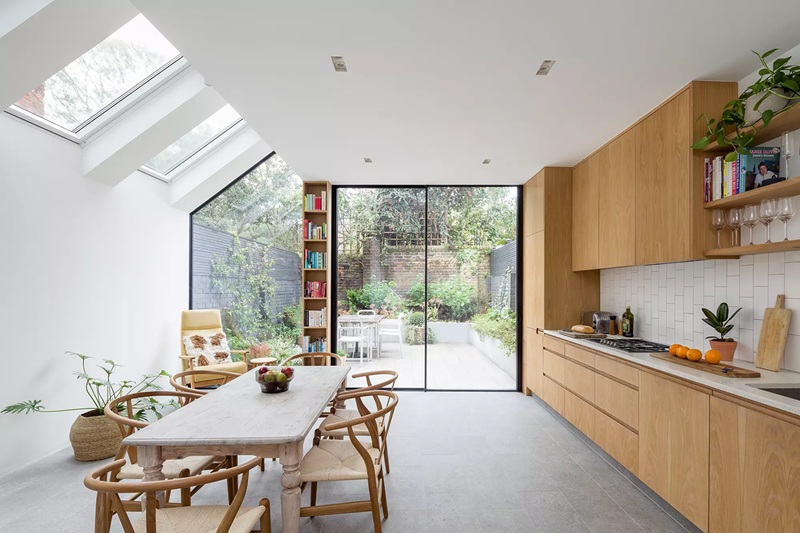
There’s no better feeling than breathing new life into your home. Whether it’s a modern kitchen upgrade, a basement transformation, or energy-efficient improvements, home renovations can increase comfort, boost property value, and reflect your personal style. But in a city like Victoria, BC—where real estate comes at a premium—budgeting wisely for renovations is essential.
If you’re exploring your options for home renovations in Victoria BC, it helps to understand what drives costs and how to stretch your dollars without cutting corners.
Understanding the Average Cost of Renovations in Victoria
In Victoria, renovation pricing varies widely depending on the size, scope, and materials used. For a standard kitchen renovation, homeowners typically spend between $25,000 and $50,000. A bathroom upgrade can range from $15,000 to $30,000, while full-home remodels often exceed $150,000.
Labour costs are a key driver of budget considerations. Trades in Victoria typically charge between $75 and $150 per hour. Material costs have also increased in recent years due to global supply chain challenges and inflation, so setting realistic expectations from the outset is crucial.
Where Costs Can Escalate Quickly
Unexpected expenses can derail even the most carefully planned renovation. Common budget busters in Victoria include:
- Structural surprises in older homes, such as rotting beams or outdated wiring
- Permit delays or code compliance issues that add time and expense
- Custom millwork or imported finishes that require specialized installation
- Change orders during the project, especially when design plans evolve mid-build
To prevent these surprises from wiping out your contingency fund, consider a pre-renovation inspection or consulting with a structural engineer if your home is over 50 years old.
The Importance of a Contingency Fund
In Victoria’s climate and housing market, even the most straightforward renovations can uncover hidden problems. That’s why most experts recommend setting aside 10% to 20% of your total budget as a contingency. For instance, on a $60,000 renovation, allocate an additional $6,000–$12,000 for unexpected costs.
This buffer is particularly important in properties located near the ocean, where dampness and weather exposure can accelerate material degradation and require additional repairs.
High-Impact Areas Worth the Investment
If your renovation budget is limited, prioritize projects that deliver the highest return on investment:
- Kitchen updates, including new countertops, appliances, and cabinetry refacing
- Bathroom remodels, especially those that improve layout and water efficiency
- Flooring upgrades, such as hardwood, engineered wood, or heated tile
- Energy-efficient improvements, like new windows, insulation, and heat pumps
Not only do these changes make your home more functional, they also appeal to future buyers and help lower ongoing utility costs.
When to DIY and When to Hire a Pro
Doing it yourself can save money—but only if you’re confident in your skills. Painting, demolition, and minor landscaping are often safe for DIYers. However, for tasks involving plumbing, electrical, structural changes, or permits, it’s best to hire licensed professionals.
In British Columbia, many aspects of home renovations are regulated. A poorly executed reno not only affects your home’s resale value but can also void insurance or lead to fines. Always check with your local building authority to confirm what requires permits or certified work.
Permitting and Inspection Costs
Depending on your project, permits may be required from the City of Victoria. These often include application fees, plan review charges, and inspection costs. For example, a building permit for a kitchen remodel may cost between $300 and $1,000 depending on complexity.
Inspections, both during and after the renovation, are necessary to ensure work meets code. Failing to factor these costs into your budget can delay project timelines or trigger costly rework.
Renovation Financing Options in Victoria
If your savings don’t fully cover the renovation, there are several financing options available to homeowners:
- Home equity lines of credit (HELOCs) offer flexibility and low interest rates
- Refinancing your mortgage can provide a lump sum for larger renovations
- Government rebates and grants, especially for energy-efficient upgrades, can offset upfront costs (check CleanBC or BC Hydro for current offers)
It’s wise to compare multiple financing sources and consult a financial advisor before committing to a payment plan.
Smart Ways to Save Without Sacrificing Quality
Budget-friendly doesn’t mean bare-bones. Here’s how to reduce costs without compromising the end result:
- Reuse or refinish existing cabinetry or furniture
- Shop local for materials to avoid shipping delays and added costs
- Purchase in bulk or during seasonal sales (think appliances and tiles)
- Bundle projects (e.g., combining kitchen and bathroom work) to reduce contractor mobilization fees
- Stick to the plan—every design change can add days and dollars
You can also explore flexible timelines. If your contractor isn’t rushed to finish before peak season, you may benefit from off-season pricing or better subcontractor availability.
Final Thought: Renovating with Confidence in Victoria
Home renovations are more than cosmetic—they’re an investment in your lifestyle and long-term property value. With the right budgeting strategy, a bit of local knowledge, and a careful selection of trusted professionals, you can create a home that reflects your vision without breaking the bank.
Taking the time to plan thoroughly means you’ll navigate your project with confidence—and avoid costly surprises along the way.