Today, the building industry faces mounting pressure to adopt methods that reduce environmental impact while delivering durable, efficient, and healthy structures. Among the most promising innovations to meet these dual demands is the use of Structural Insulated Panels (SIPs). This advanced building system can help streamline construction and inherently support the core tenets of sustainable development by drastically reducing energy consumption, minimizing material waste, and creating superior building envelopes.
Here’s how building with structural insulated panels can support sustainable construction.
Understanding Structural Insulated Panels
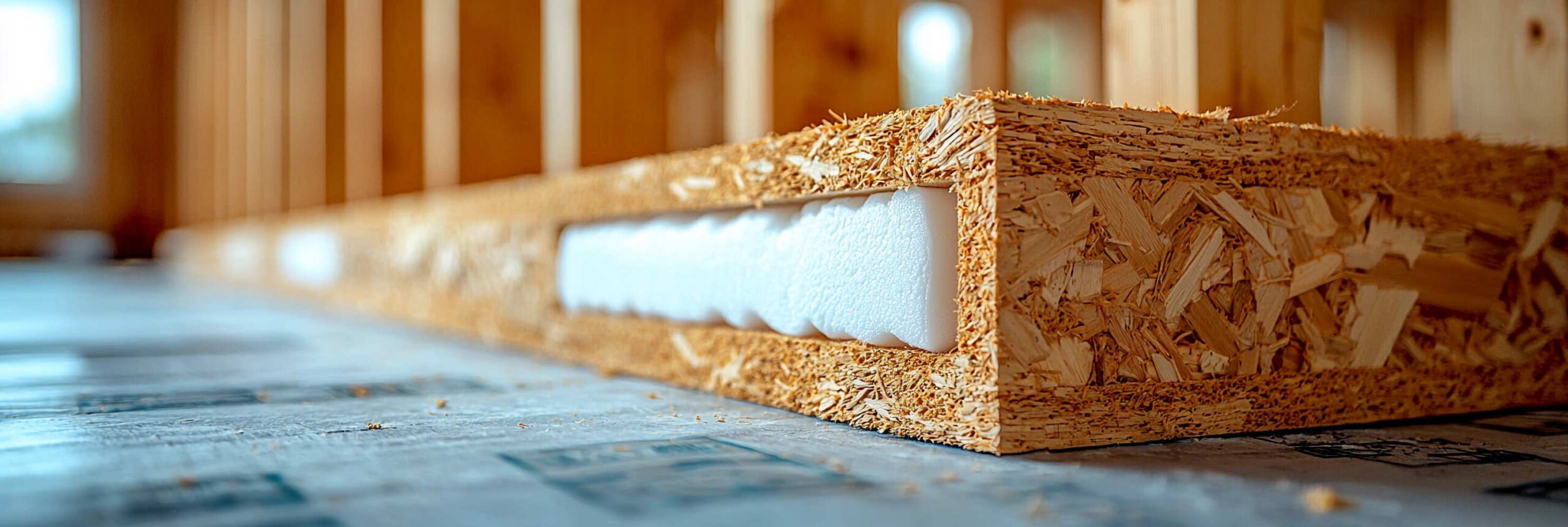
Structural Insulated Panels are high-performance, prefabricated building components used for walls, roofs, and floors. Each panel consists of a firm foam insulation core, made from materials like expanded polystyrene (EPS), extruded polystyrene (XPS), or polyurethane foam (PUR), sandwiched between two structural facings, the most oriented strand board (OSB). This composite design can help create a strong, monolithic building element that integrates several functions, such as structure, insulation, and air barrier, into a single unit. The concept, with roots in 1930s architectural experiments, has evolved with modern manufacturing to offer precision-engineered solutions for today’s rigorous energy and building codes.
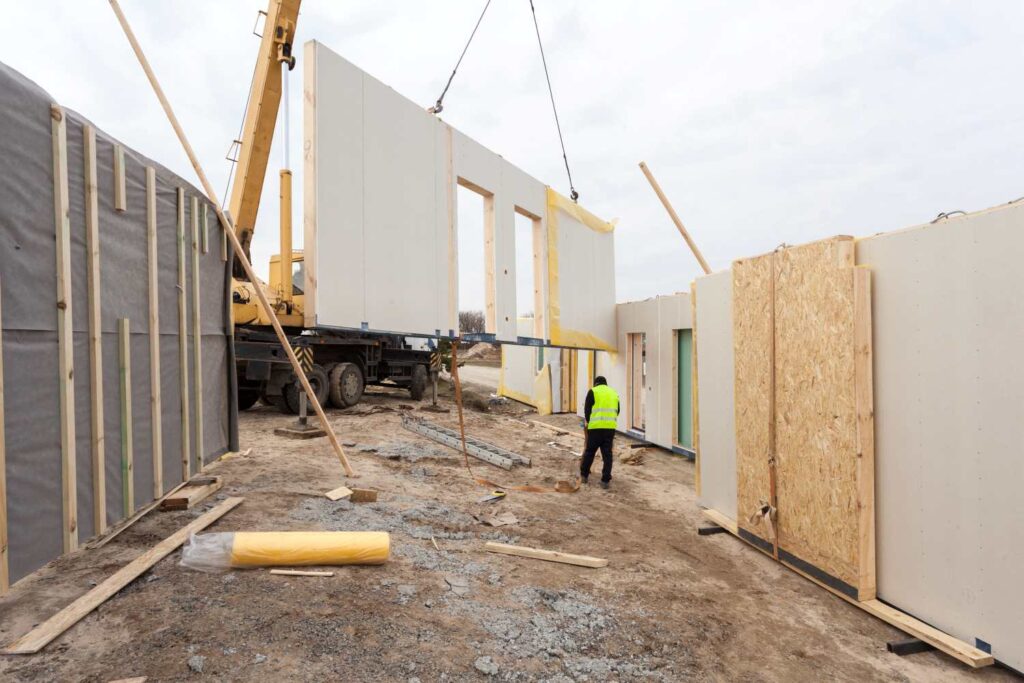
Furthermore, the sustainability story of SIPs begins with their controlled factory fabrication. Unlike traditional stick framing, which involves multiple material deliveries and extensive on-site cutting and assembly, SIPs are manufactured to exact specifications in a factory environment. This process is fundamental to their green credentials.
Ultimately, the environmental benefits of structural insulated panels are significant. For instance, projects utilizing RAYCORE Structural Insulated Panels or similar options can demonstrate how the integration of high-performance materials with efficient design can achieve remarkable energy savings and durability.
Pillars of Sustainability in SIP Construction
The sustainable advantages of building with SIPs can be categorized into several key areas. These include:
Superior Energy Efficiency and Airtightness
The most significant environmental contribution of a SIP structure is its drastic reduction in operational energy use. A building’s thermal performance is governed by two critical factors: insulation value (R-value) and airtightness. SIPs excel in both.
Unlike stud framing, which has thermal bridges (the wooden studs themselves) that conduct heat, SIPs can provide a continuous layer of insulation across the entire wall or roof assembly. This design can help minimize heat loss and gain.
On the other hand, the monolithic, precisely sealed nature of a SIP envelope can result in an extremely airtight building. Since air leakage can account for up to 40% of a building’s heating and cooling energy loss, this airtightness can be a major driver of efficiency.
Material Efficiency and Waste Reduction
Sustainable construction prioritizes the efficient use of resources and minimizes waste. SIP construction embodies this principle from manufacturing through installation. Factory fabrication allows for optimal material use. Panels are computer-cut to precise dimensions, dramatically reducing off-cuts and scrap compared to the on-site cutting of lumber and insulation batts. This process can reduce jobsite waste.
Additionally, the structural efficiency of SIPs means they require less raw timber than conventional framing. The OSB skins are manufactured from fast-growing, renewable tree species, and the entire system uses significantly less dimensional lumber overall. Lastly, life-cycle analyses can indicate that the initial “embodied energy” invested in producing SIPs is typically recovered through energy savings in a few years of operation, after which the building provides net energy and emissions benefits.
Healthier Indoor Environments
A sustainable building must safeguard the health of its occupants. The SIP building envelope can contribute to improved Indoor Air Quality (IAQ) in several ways, such as:
Controlled Ventilation
The airtight seal can help prevent the uncontrolled infiltration of outdoor pollutants, allergens, and moisture. This allows for fresh air to be managed through dedicated Mechanical Ventilation with Heat Recovery (MVHR) systems, which filter incoming air and reclaim energy from exhaust air, maintaining both efficiency and air quality.
Moisture and Mold Resistance
The lack of cavities and continuous insulation in SIP walls can eliminate cold spots where condensation can form a common precursor to mold and mildew growth in traditional framed walls. Additionally, many SIP manufacturers use adhesives and materials that are certified free from harmful volatile organic compounds (VOCs) and urea-formaldehyde, further contributing to a healthier indoor space.
Durability, Resilience, and Lifecycle Longevity
Sustainability is intrinsically linked to longevity. A durable building that withstands the test of time is the ultimate form of resource conservation. Here are some factors to consider:
Structural Strength
The composite panel design can result in a building system that’s exceptionally strong. SIPs can be up to seven times stronger than traditional timber framing and perform very well in high-wind and seismic events, making them suitable for building in hurricane zones and other extreme climates.
Long-Term Performance
When properly detailed and protected from prolonged moisture exposure, SIP structures are highly durable. Their robust nature, combined with reduced risk of moisture-related decay within the wall assembly, can contribute to a longer service life with lower maintenance requirements.
SIPs in Green Building Certification and Future Trends
The quantifiable benefits of SIPs can make them a powerful tool for achieving formal green building certifications. Their high performance can contribute directly to credits in programs such as:
- LEED (Leadership in Energy and Environmental Design): SIPs can contribute points in categories including Energy & Atmosphere and Materials & Resources.
- Passive house: The extreme airtightness and thermal performance required by the Passive House standard are readily met with a properly constructed SIP envelope.
- DOE zero energy ready home: The inherent efficiency of SIPs can provide a foundational step toward achieving net-zero energy use.
Looking forward, the synergy between panelized construction and sustainability is likely to grow. Innovations in bio-based foam cores and facings, along with increased automation in manufacturing, promise to lower the embodied carbon of the panels further. As energy codes continue to tighten and consumer demand for green, resilient homes increase, SIPs are poised to move from a niche alternative to a mainstream sustainable building solution.
Conclusion
Building with Structural Insulated Panels represents a holistic and forward-thinking approach to sustainable construction. By fundamentally re-engineering the building envelope, SIPs can deliver interconnected benefits, such as slashing operational energy use and associated emissions, curbing material waste at its source, fostering healthier indoor spaces, and creating inherently durable and resilient structures. This system can prove that sustainable building can be achieved through intelligent, integrated design from the very start.
By keeping the information mentioned above in mind, architects, builders, and homeowners can commit to reducing environmental impact without sacrificing quality or comfort.