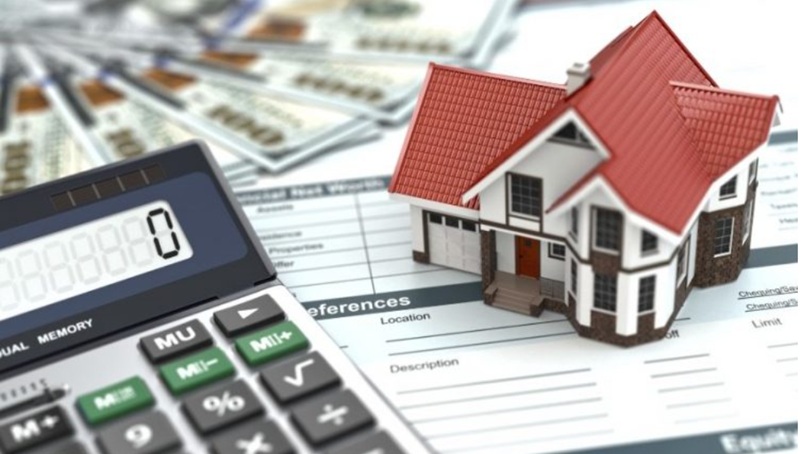
If the past five years have taught us anything, it’s that real estate is a tricky business that is highly susceptible to fluctuations. Real estate valuation, which is also known as property valuation or real estate appraisal, is the process of determining the current worth of a property. This can include residential and commercial properties, land or other types of real estate.
If you’ve ever tried to determine how much your house is worth, you know that there are many contributing factors, and while some are obvious, others are less apparent. Understanding the factors affecting a property is crucial for making informed decisions when buying, selling or investing.
10 Key Factors That Affect Real Estate Valuation
- Location
It’s not a secret that location is probably the number one factor that affects a property’s worth, but what does that mean, exactly?
Location is more than just the street and city. Factors that affect location include accessibility, appearance and amenities of the neighborhood, current or future plans for development in the area and the specific placement of the lot. Location considerations also include proximity to amenities such as shopping centers and healthcare facilities, the quality of schools, transportation accessibility and neighborhood safety.
Lastly, don’t underestimate the value of scenery; for example, lake houses and beachside properties tend to have higher values than comparable homes without waterfront views.
Modern redevelopment projects like Perifa construction waterfront renewal exemplify how revitalizing coastal areas can dramatically enhance surrounding property values through improved amenities, sustainability, and lifestyle appeal.
- Condition of the property
Is the property a 1880s Victorian home that has been beautifully renovated and is in pristine condition? Or is it a 10-year-old commercial building that’s been left in disarray? While the age of a property does come into play, general maintenance and upkeep is also a major factor. The condition of structural components — such as the foundation, roofing, plumbing and electrical systems — will also affect valuation.
- Upgrades
Recent renovations and energy-efficiency upgrades will also affect a property’s value. Examples of valuable property upgrades include:
- Remodeling the kitchen
- Updating the bathrooms with new fixtures, tile and lighting
- Adding a new bedroom or sunroom
- Converting a basement or attic into a liveable space
- Replacing the roof
- Enhancing the landscape or exterior with fresh paint and new siding
- Installing energy-efficient windows
- Upgrading to a new HVAC system
- Installing solar panels
- Amenities
Certain desirable amenities can significantly boost a property’s value and attract buyers, especially if they are looking for something in particular. These amenities include:
- Swimming pool
- Hot tub
- Fenced-in backyard
- Air conditioning
- Modern kitchen appliances
- FIreplace
- Home theater
- Gourmet kitchen
- Deck or patio
- Sauna
- Home gym
- Economic trends and market conditions
Real estate and the economy are deeply interconnected; the National Association of Realtors estimated that the real estate market contributed to 18% of the United State’s gross domestic project (GDP) in 2023. The reverse is also true, as the value of real estate is significantly impacted by the state of the economy. Economic health is typically assessed through indicators such as GDP, job market statistics, manufacturing trends and the cost of goods. In most cases, when economic conditions weaken, the real estate market tends to follow suit.
- Interest rates
In general, when interest rates are high or consistently rising, the market slows down. This is important when it comes to real estate valuation because interest rates determine how much money a person has to borrow in order to buy a property. Low interest rates tend to increase demand, which often drives up real estate prices. High interest rates tend to have the opposite effect.
- Comparable sales
Comparable sales, or “comps,” refer to the recent selling prices of houses in the area that are similar in size and location. They are important because appraisers and real estate professionals use them to estimate the property value. For example, if a house similar to hours recently sold for $500,000, that sale can be used as a reference point for determining the value of your home.
- Curb appeal
First impressions count — especially when it comes to the appearance of your home. For example, a house with colorful flower beds, an intricate stone walkway, an eye-catching front door, and well-maintained shrubs is far more attractive than one with uncut grass and peeling exterior. In fact, according to the American Society of Landscape Architects, professional landscaping can boost a home’s value by 15% to 20% at resale.
Homebuyers tend to think that homes with high curb appeal are more valuable. Plus, appraisers often use curb appeal as part of their property evaluation.
- Zoning regulations
Zoning laws or ordinances are regulations established by local governments that dictate how land within specific zoning districts can be used. Properties in areas that are designated for future development may see an increase in property values.
- Lot size and useable space
Lot size refers to the total area of land, whether or not there is a structure on it. It also takes into account how much of the property is functional for living or commercial purposes. Larger lot sizes and a higher percentage of usable space will often increase a property’s value.
Understanding these factors can help buyers, sellers and investors make informed decisions and maximize property value.