
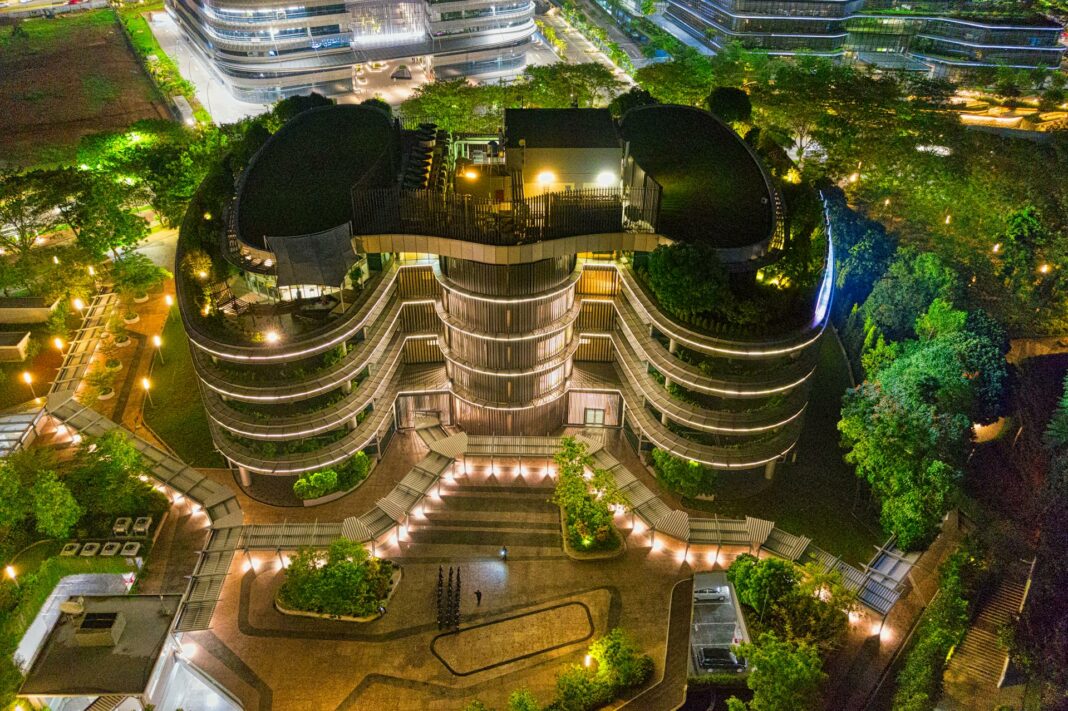
Over the last few years, sustainable real estate has transitioned from being an ancillary consideration to a focal point in the investment plans of future-oriented asset managers, institutional investors, and even private equity firms. ESG expectations, coupled with evolving regulatory needs and growing tenant demands for green space, have positioned green buildings at the forefront of long-term real estate value creation.
The Economics of Sustainability
Simple economics is one of the motivating factors for the increasing popularity of sustainable real estate. Green buildings can cut operational expenses by 20–30% compared to conventional buildings, according to a 2023 McKinsey report, due to lower energy and water consumption, enhanced insulation, and integral smart systems. Not only are these efficiencies environmentally friendly, but they also directly contribute to the bottom line.
In addition to cost savings, green buildings tend to command greater occupancies and rental income. A JLL international study found that green-certified office properties in top metros draw between 11% higher rent and 21% higher sales premiums than non-certified counterparts. In India, commercial space with IGBC or GRIHA certification consistently attracts high-rent tenants, particularly multinational firms pursuing internal ESG compliance.
Regulatory Tailwinds and Policy Push
Regulatory frameworks globally are tightening, with governments pushing aggressive climate action goals. India, for instance, has committed to reaching net-zero carbon emissions by 2070. This has led to reforms in building codes, zoning policies, and environmental clearance systems. The Energy Conservation Building Code (ECBC) and Smart Cities Mission initiatives are nudging developers toward sustainability.
On the global stage, the European Union’s Sustainable Finance Disclosure Regulation (SFDR) and the U.S. SEC’s draft climate disclosure rules are compelling real estate funds to improve transparency about sustainability performance. Such frameworks are making green assets not just attractive, but necessary for accessing global capital flows.
Institutional Capital Is Going Green
According to CBRE’s 2024 Global Investor Intentions Survey, over 60% of institutional investors are now factoring ESG parameters into real estate investment decisions. Sovereign wealth funds, pension schemes, and REITs increasingly view sustainability as a means of mitigating risk while enhancing long-term asset value.
India mirrors this trend. The National Investment and Infrastructure Fund (NIIF) and ESG-oriented private equity players are making long-term commitments to sustainable assets—particularly in logistics parks, industrial corridors, and Grade A commercial buildings.
Investor preferences are being shaped not only by policy and capital markets but also by occupier demand—especially from younger generations. Millennials and Gen Z, who are expected to constitute over 60% of the global workforce by 2030, prioritize environmental consciousness. This shift is reflected in growing demand for smart, sustainable, and wellness-oriented spaces.
Cities like Bengaluru, Pune, and Hyderabad are witnessing increased interest in LEED- and IGBC-rated buildings from IT firms and co-working operators. Green certification is now a key factor in commercial lease negotiations and RFPs.
Future-Proofing Real Estate Portfolios
Sustainability is increasingly viewed as a risk-mitigation strategy. With rising climate risks such as heatwaves, flooding, and soaring insurance premiums, asset resilience is a key concern. Green buildings are perceived as more robust against both physical and regulatory threats, making them attractive for future-proofing investment portfolios.
A 2022 Urban Land Institute report revealed that buildings with strong sustainability scores retained more value during economic downturns and post-COVID market corrections, underscoring their role as defensive investments.
The Road Ahead:
As ESG reporting becomes mandatory and climate awareness reaches boardrooms, sustainable real estate will cease to be a niche strategy. It is becoming the default approach for long-term, stable, and reputation-driven investing.
For future-focused investors seeking to build resilient portfolios, sustainability is no longer optional. The green real estate movement has already begun—and those who act early will benefit not just from higher returns, but from aligning with the future of responsible growth.
Authored By


