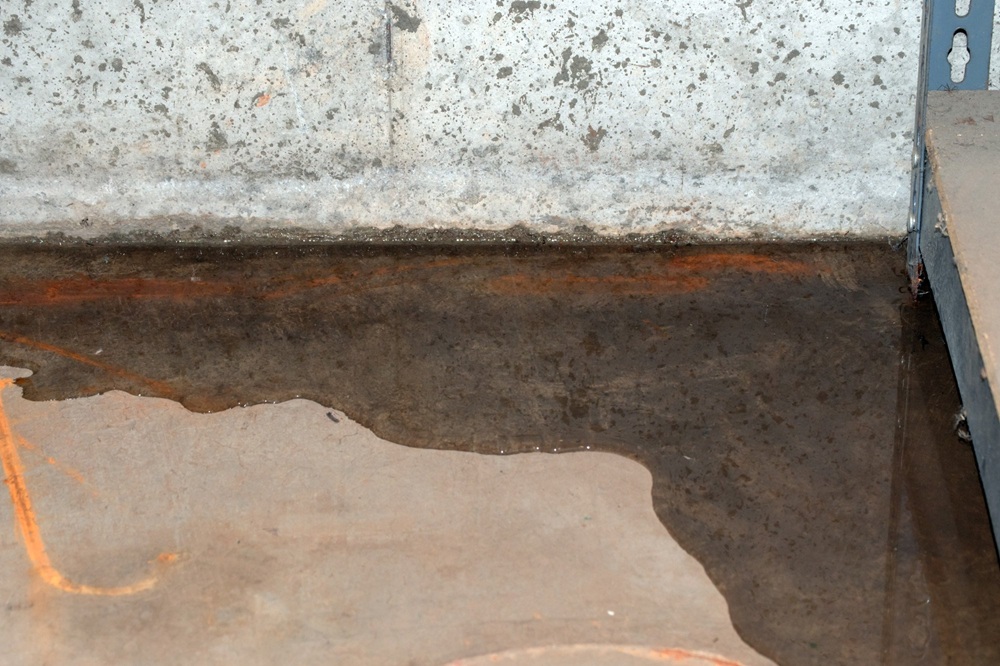
Basement leaks are becoming a common problem across urban India. Fast urban growth, uneven drainage, and changing weather make basements prone to water damage. Engineers, consultants, and government clients can prevent future issues by identifying weak points early and applying practical waterproofing strategies. This keeps buildings functional and reduces repair costs over time.
Structural and Design Factors Causing Basement Leaks
Basements can develop leaks when design or construction choices fail to keep water out. Considering these factors during building helps keep walls and floors dry and strong.
- Inadequate waterproofing: Thin or low-quality waterproofing fails to block water effectively.
- Poor drainage systems: Improperly planned drains allow water to gather near walls and floors.
- Material quality: Porous concrete or weak masonry creates paths for water over time.
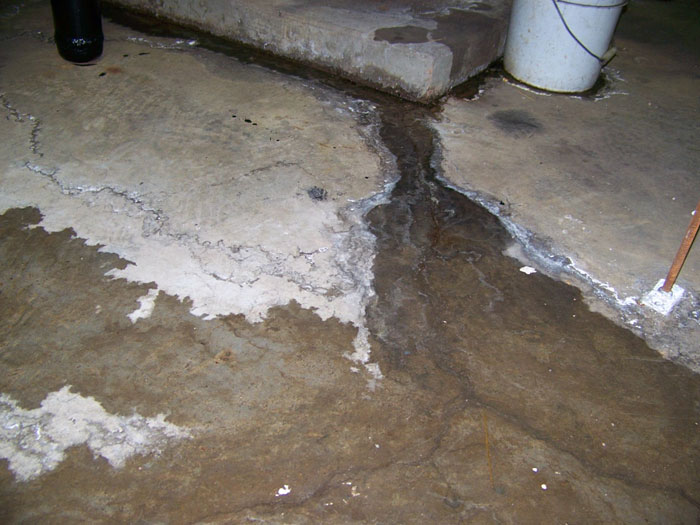
- Structural cracks: Small cracks from settlement or vibration allow water to enter the basement.
- Slab and wall design: Inadequate thickness or support makes walls and floors prone to leaks.
Environmental and Climatic Causes of Basement Leaks
City basements often deal with heavy rains, rising groundwater, and waterlogged surroundings. Checking these factors during planning keeps basements stronger and drier.
- Heavy monsoon rainfall: Sudden, intense rain increases hydrostatic pressure on basement walls.
- High groundwater levels: Rising groundwater around the site pushes water into the basement.
- Urban flooding: Inadequate drainage and clogged channels increase waterlogging risk.
Modern Urban Development Factors Causing Basement Leaks
Rapid urban growth and modern construction practices can make basements more vulnerable to water problems. Factors like site planning, soil conditions, and how buildings interact with surrounding infrastructure play a key role in basement durability.
- Rapid construction schedules: Quick project timelines can compromise quality checks and water protection.
- Underground utilities: Metro lines, pipes, and cables can disturb soil and create leak paths.
- High-density buildings: Buildings close together limit drainage and raise water pressure on walls.
Urban planning authorities and consultants should enforce stricter construction standards to manage these risks.
Maintenance and Operational Factors
Basements can remain strong and dry only when owners and facility managers follow proper upkeep routines. Monitoring walls, floors, and drainage systems helps spot small problems early.
- Clogged drainage systems: Blocked sumps or drains cause water to collect near the basement.
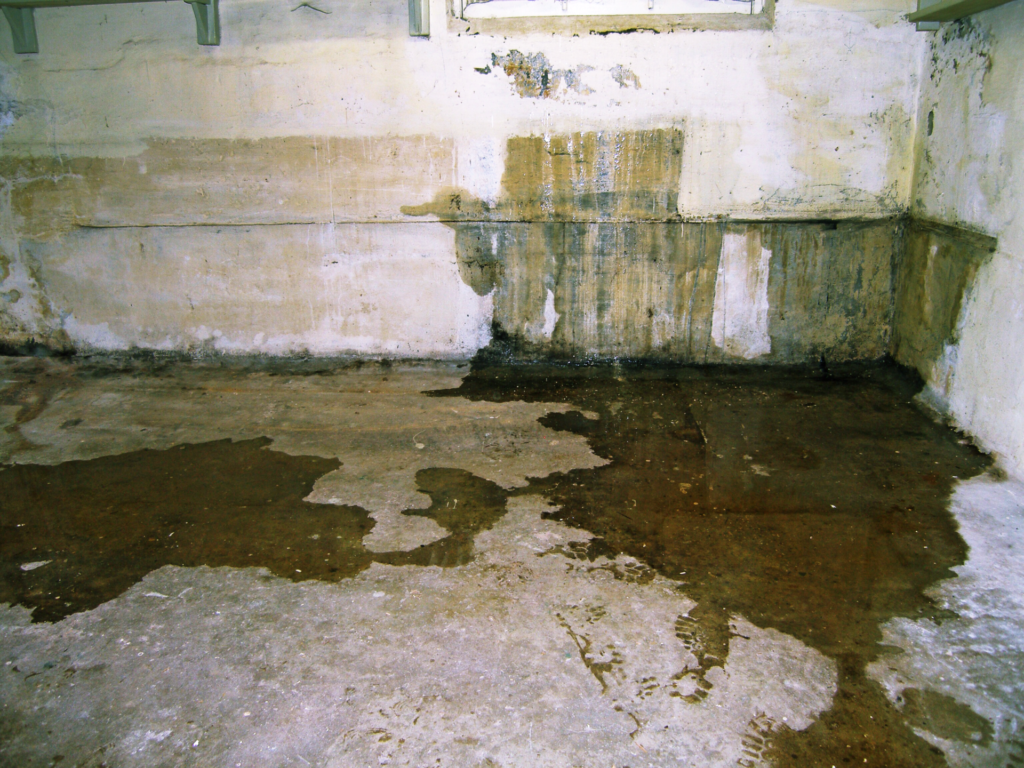
- Delayed repairs: Small cracks or early seepage can worsen if they are ignored.
- Improper landscaping: Grading that directs surface water toward the building increases basement exposure.
Practical Measures to Prevent Basement Leaks
Proper construction, careful site planning, and regular maintenance prevent basement leaks. Following these steps keeps basements dry and in good condition.
- Apply thorough waterproofing during construction to protect walls and floors.
- Ensure internal and external drains move water away from the basement.
- Use strong, properly cured concrete and masonry to prevent seepage.
- Check water table levels and hydrostatic pressure to spot risk areas.
- Keep drains, sumps, and pumps clean and working.
- Grade the site so surface water flows away from the building.
Conclusion: Preventing Basement Leaks in Urban India
Basement leaks are becoming common in urban India due to design, construction, environmental, and maintenance issues. Engineers, consultants, building managers, and government clients can reduce leaks by using proper waterproofing, planning drainage, choosing strong materials, and keeping up with maintenance. Taking these steps helps basements stay dry and durable.
Image Credit: armoredbasement.com, treehouseinternetgroup.com, foundationrecoverysystems.com