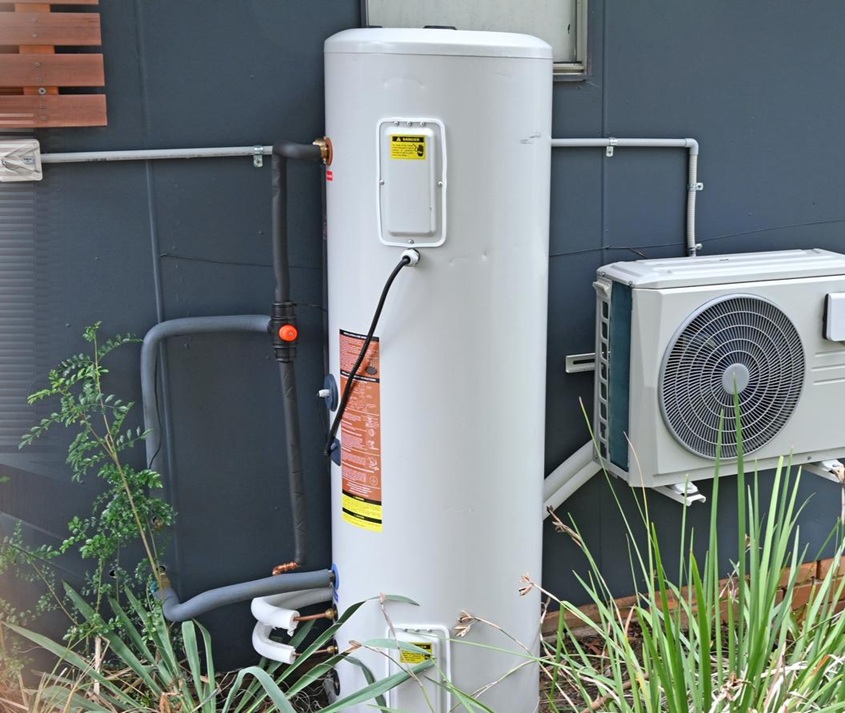
Selecting the best hot water system for your house involves efficiency, cost savings, and matching the particular needs of your family as well as comfort. Selecting the proper kind and size might seem daunting given the many choices available—from electric and gas to solar and heat pump systems. Still, knowing your household’s patterns of usage, accessible energy sources, and climate will enable you to make an educated decision with long-term value.
Knowing Hot Water System Types
1. Electric Hot Water Systems
These are among the most often used systems in Australian households. They are rather cheap initially and simple to install. Their operating costs can be significant, though, if they depend on peak electricity rates. Significant savings can result from solar panel off-peak models or systems associated with them. Many households are now choosing to replace gas hot water with electric systems due to cleaner energy options and the availability of solar integration.
2. Gas Hot Water Systems
Best for houses with a natural gas connection, these systems usually heat water faster than electric ones and have lower operating costs. Hot water on demand from continuous flow gas systems reduces your risk of running out during peak usage.
3. Solar Hot Water Systems
These systems substantially lower your energy costs and carbon footprint by heating water using solar panels. Although they need a bigger initial investment, they profit from government subsidies and incentives. Cloudy days or heavy use generally call for a backup gas or electric booster.
4. Heat Pump Systems
Heat pumps warm your water by extracting heat from the air, much as a reverse refrigerator would. They are quite appropriate for warmer areas and very energy-efficient. Although the initial cost is more, the long-term energy bill savings can be significant.
Selecting the Appropriate Size for Your Home
Getting the proper size is equally important as picking the appropriate kind. An oversized system wastes resources and money; a small one would swiftly run out of hot water.
1. Systems for Storage Tank (Electric, Gas, Solar)
These keep hot water stored in a tank and heated, ready for use.
- One to two persons: 90 to 160 liters
- 3 to 4 people: 160 to 250 liters
- Five or more persons: 250–400+ liters
When deciding, think about how many hot water outlets you use simultaneously (shower, dishwasher, washing machine) and whether your family usually uses hot water at the same time of day.
2. Continuous flow or instantaneous systems
Measured in liters per minute (L/min), these systems heat water as necessary rather than store it.
- Low demand (one bathroom) is 16-20 L/min.
- Two restrooms: 20–26 L/min; moderate demand
- Three or more bathrooms: 27+ L/min demand
These are particularly common in homes with limited outside space for a large tank or those seeking a more compact system.
3. Additional elements worth noting
In colder areas, solar and heat pump systems may call for extra boosting, therefore influencing efficiency and cost.
Older houses may have less water pressure, which could affect how well certain instant systems run.
Some systems—especially solar and big storage devices—require more outside space; others can be mounted or installed inside.
Upfront vs. ongoing expenses ought to be weighed against one another. While a costlier system could yield savings through reduced bills and rebates, a less expensive one might incur more running costs over the long run.
Conclusion:
It’s important to adopt a long-term perspective when determining the kind and size hot water system you really require. Evaluate your local climate, household size, usage patterns, accessible energy sources. Choosing a system that guarantees dependable hot water supply, maximizes efficiency, and stays inside your budget can be helped by consulting a qualified plumber or an energy adviser. The correct choice now will provide years of savings and solace.