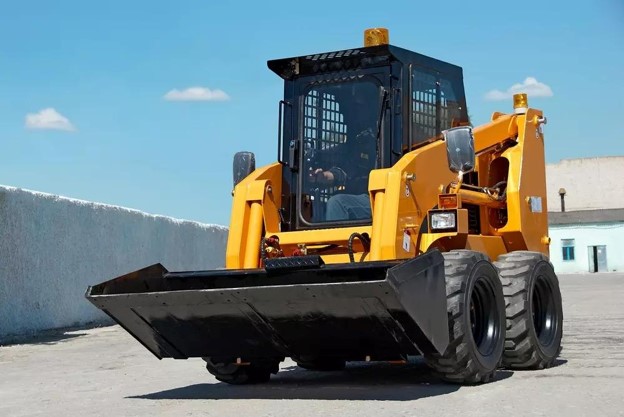
Construction, landscaping, and agricultural projects require powerful, compact, and highly versatile machines. One piece of machinery that meets all these requirements is the skid steer. Known for its flexibility and ability to handle a wide range of tasks, this compact loader has become an essential tool across many industries.
In this guide, you will learn what a skid steer is, how it works, and why it’s the most useful machine on job sites today.
What Is a Skid Steer?
A skid steer is a compact, engine-powered loader designed with lift arms that allow it to attach various tools or attachments. These machines are called “skid steers” because they turn by skidding or dragging their wheels across the ground instead of using a traditional steering system.
Unlike larger construction equipment, skid steers are small enough to operate in tight spaces, making them ideal for projects where maneuverability is important.
They are commonly used in:
- Construction sites
- Landscaping projects
- Farming and agriculture
- Roadwork and maintenance
- Property development
Because of their versatility, many businesses rely on skid steer equipment to perform multiple tasks with a single machine.
How Does a Skid Steer Work?
Skid steers operate using a four-wheel or track-based system where the wheels on each side of the machine move independently.
Here’s how the steering works:
- The wheels on the left and right sides operate separately.
- When the wheels on one side move faster than the other, the machine turns.
- When the wheels move in opposite directions, the machine can pivot in place.
This steering method gives skid steers their signature tight turning radius, allowing them to operate effectively in confined areas like residential construction sites or narrow pathways.
Key Features of a Skid Steer
Skid steers are designed with several features that make them highly practical for demanding work environments.
Compact Size
The biggest advantage of skid steers is their compact design. This allows operators to work in areas where larger equipment cannot fit.
Powerful Lifting Capability
Despite their small size, skid steers are capable of lifting heavy loads, making them useful for material handling tasks such as moving soil, gravel, or debris.
Attachment Compatibility
Skid steers can be fitted with many different attachments, turning one machine into a multi-purpose workhorse.
Easy Maneuverability
Thanks to their skid steering system, these machines can turn quickly and operate in tight spaces, improving efficiency on crowded job sites.
Common Skid Steer Attachments
The main reason skid steers are so popular is their ability to support many attachments. These attachments expand the machine’s capabilities and make it suitable for different industries.
Some of the most common attachments include:
Buckets: Buckets are the most commonly used attachment for digging, lifting, and transporting materials.
Augers: Augers are used for drilling holes in the ground for fencing or construction foundations.
Mulchers: Mulchers are ideal for clearing vegetation, shrubs, and small trees.
Forks: Fork attachments allow skid steers to move pallets and heavy materials on construction sites.
Trenchers: Trenchers are used to dig narrow trenches for pipes, cables, or irrigation systems.
These attachments transform skid steer equipment into a flexible solution capable of handling numerous tasks without requiring multiple machines.
Industries That Use Skid Steers
Skid steers are widely used across different industries due to their adaptability.
Construction
In construction, skid steers are used for material handling, site preparation, digging, and debris removal.
Landscaping
Landscapers use skid steers for grading land, moving soil, installing turf, and clearing vegetation.
Agriculture
Farmers rely on skid steers for tasks such as feeding livestock, moving hay bales, and cleaning barns.
Roadwork and Infrastructure
Skid steers can assist with road maintenance, asphalt removal, and ground preparation for infrastructure projects.
Advantages of Using a Skid Steer
There are several reasons why skid steers are widely used in modern projects.
Versatility
With a wide range of attachments available, one machine can perform multiple tasks.
Efficiency
Skid steers help complete jobs faster by reducing the need for manual labour or multiple pieces of equipment.
Cost-Effectiveness
Instead of investing in several machines, businesses can rely on a single skid steer with interchangeable tools.
Space Efficiency
Their compact size allows them to operate in restricted or crowded environments.
Safety Considerations
While skid steers are extremely useful, proper safety practices are essential.
Operators should always:
- Receive proper training before using the machine
- Wear appropriate safety gear
- Ensure the work area is clear of obstacles and personnel
- Follow manufacturer guidelines for attachments and load limits
Maintaining the equipment regularly also helps prevent mechanical issues and ensures safe operation.
Final Thoughts
A skid steer is the most versatile and practical machines used in construction, landscaping, and agriculture. Its compact size, powerful lifting capabilities, and compatibility with multiple attachments make it an invaluable tool for a wide range of tasks.
Whether you’re preparing a construction site, managing landscaping work, or handling agricultural duties, skid steers provide flexibility, efficiency, and performance that few other machines can match.
By understanding how these machines work and what they can do, businesses and operators can make better decisions when choosing the right equipment for their projects.