Wet Mix Macadam (WMM) is a modern road construction technique widely adopted for the preparation of granular base and sub-base layers in flexible pavements. It represents a significant improvement over traditional Water Bound Macadam (WBM) methods, offering better strength, durability, uniformity, and construction efficiency. The method involves mechanically mixing graded aggregates with water in a controlled manner at a mixing plant and laying the mixture using a paver, followed by compaction.
With increasing traffic volumes, heavier axle loads, and the need for long-lasting pavements, WMM has become a preferred choice for highways, urban roads, industrial pavements, and airport service roads. Its use is recommended by the Ministry of Road Transport and Highways (MoRTH), Indian Roads Congress (IRC), and other international standards.

Concept of Wet Mix Macadam
Wet Mix Macadam is a crushed stone aggregate layer laid over the prepared subgrade or sub-base. The aggregates are well-graded and mixed with optimum water content (OWC) in a mixing plant to achieve proper coating and workability. Unlike WBM, where aggregates are spread and watered on-site, WMM ensures controlled mixing, resulting in a dense, strong, and uniform layer.
The WMM layer acts as:
- A load-distributing layer
- A foundation for bituminous layers
- A drainage layer when designed appropriately
Purpose and Role of WMM in Pavement Structure
In a flexible pavement system, WMM performs several critical functions:
- Distributes wheel loads safely to lower layers
- Provides a smooth, even surface for bituminous layers
- Improves pavement durability and service life
- Reduces deformation such as rutting and cracking
- Minimizes water ingress into pavement layers
WMM is generally used as:
- Base course in low to medium traffic roads
- Sub-base or base course in high traffic highways
- Foundation layer for rigid pavements
Materials Used in Wet Mix Macadam
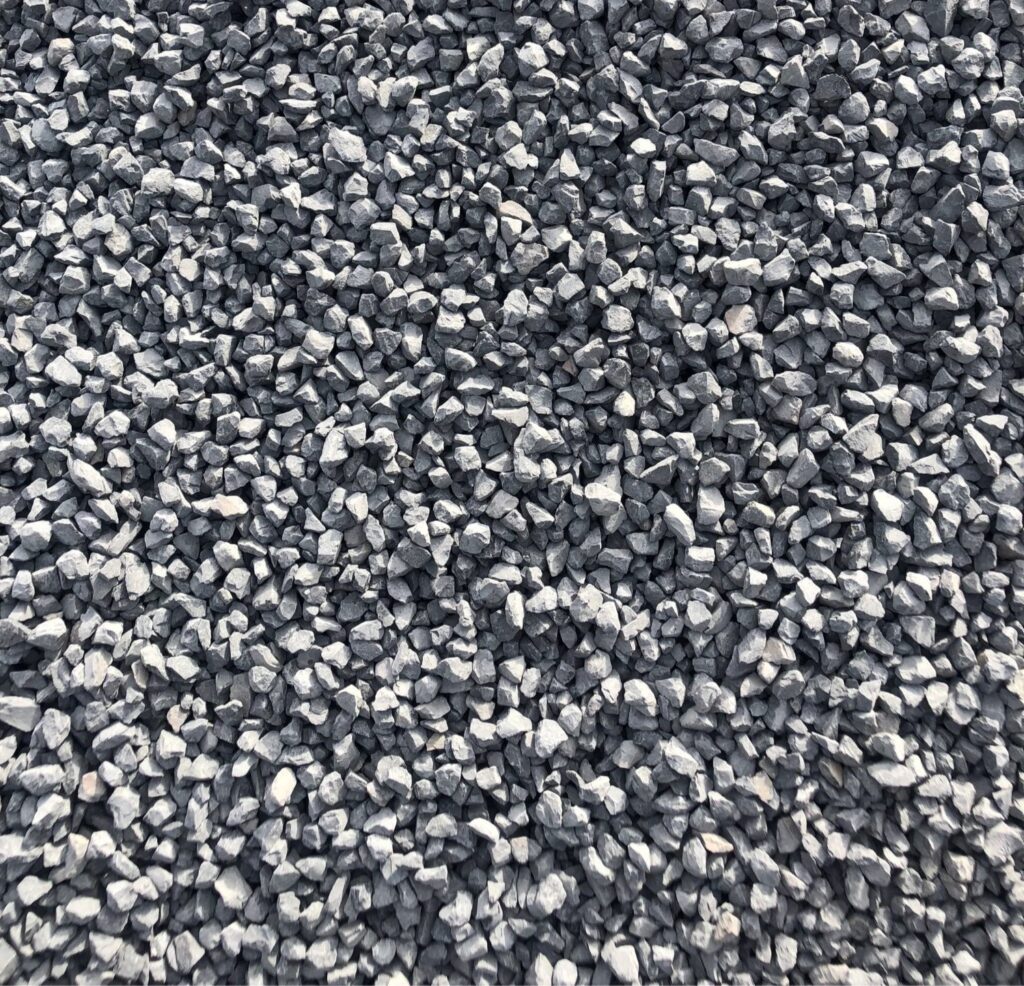
Aggregates
Aggregates are the primary component of WMM and must meet strict quality requirements.
Sources:
- Crushed stone
- Crushed gravel
- Crusher-run material
Key properties:
- Hard, durable, and angular
- Free from clay, organic matter, and deleterious materials
Aggregate size:
- Maximum size generally 53 mm or 45 mm, depending on specification
Grading Requirements
Proper gradation is critical for strength and compaction. Typical grading limits include:
- Coarse aggregates: 53 mm to 4.75 mm
- Fine aggregates: below 4.75 mm
- Fines passing 75-micron sieve: usually limited to 5–8%
Gradation ensures:
- Dense packing
- Reduced voids
- Higher load-bearing capacity
Water
Water used must be:
- Clean and potable
- Free from salts, oils, acids, or organic impurities
Water content is maintained close to the Optimum Moisture Content (OMC) determined through laboratory tests.
Equipment Used in WMM Construction
The quality of WMM construction depends heavily on the machinery used.
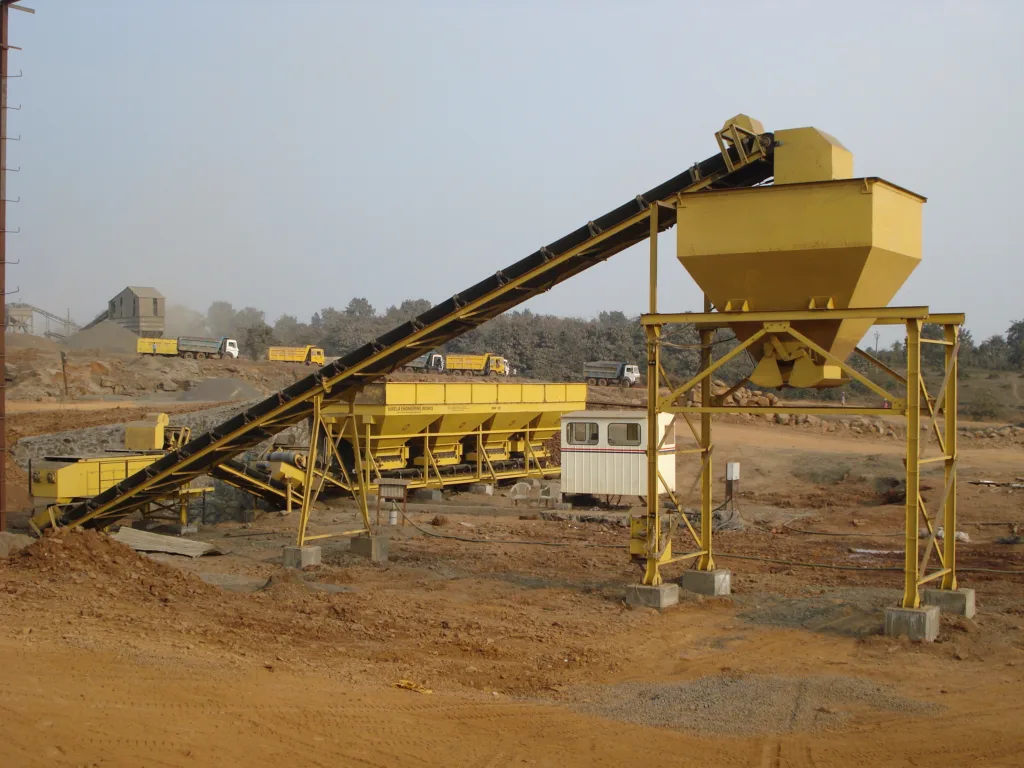
Mixing Plant
- Wet Mix Plant (pug mill type)
- Capacity: 100–250 TPH (typical)
- Ensures uniform mixing of aggregates and water
Transportation Equipment
- Tippers or dumpers
- Covered to prevent moisture loss and segregation
Laying Equipment
- Sensor paver or mechanical paver
- Motor grader (for small projects)
Compaction Equipment
- Vibratory roller (8–12 tonne)
- Pneumatic tyre roller (PTR)
- Tandem roller for finishing
Other Equipment
- Water tankers
- Survey instruments
- Field testing equipment
Construction Procedure of Wet Mix Macadam
1. Preparation of Subgrade / Sub-base
Before laying WMM:
- The underlying layer must be properly compacted
- Surface should be clean, level, and free of loose material
- Camber and cross slope should be checked
Any irregularities must be corrected to ensure uniform thickness.
2. Determination of Mix Design
A laboratory mix design is carried out to determine:
- Aggregate gradation
- Optimum Moisture Content (OMC)
- Maximum Dry Density (MDD)
Tests involved:
- Sieve analysis
- Proctor compaction test
- Los Angeles abrasion test
3. Mixing of Aggregates
- Aggregates are fed into the wet mix plant
- Water is added in controlled quantity
- Mixing ensures uniform coating of particles
Proper mixing prevents segregation and ensures workability during laying.
4. Transportation of Mix
- Mixed material is transported immediately to the site
- Time gap between mixing and laying should be minimal
- Material should not dry out during transport
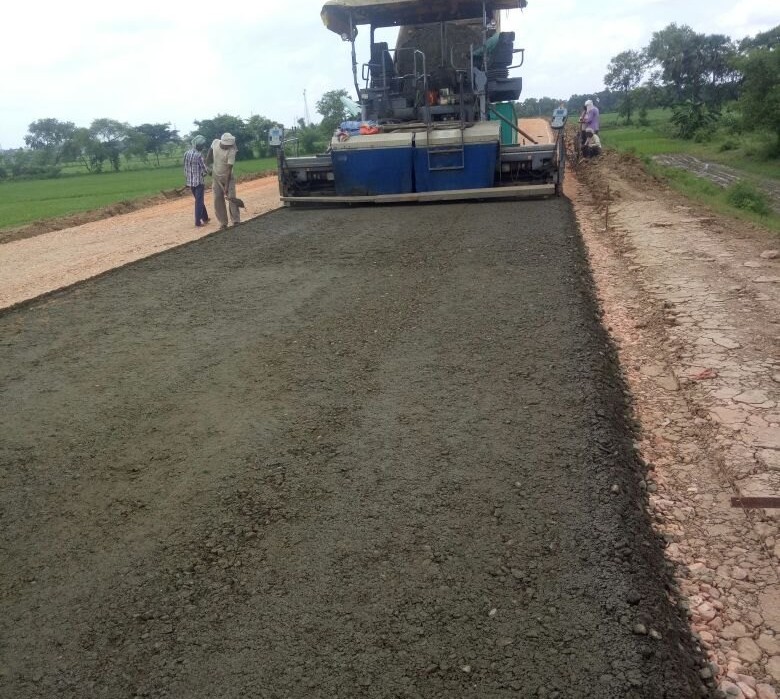
5. Laying of WMM Layer
- Mix is laid using a paver or grader
- Thickness is generally 75 mm to 200 mm (compacted)
- Loose thickness is adjusted to account for compaction
Care is taken to:
- Avoid segregation
- Maintain line, level, and camber
6. Compaction
Compaction is the most critical stage.
Procedure:
- Initial rolling with vibratory roller
- Intermediate rolling with PTR
- Final rolling with tandem roller
Compaction continues until:
- Required density (usually 98% of MDD) is achieved
- Roller marks disappear
- Surface becomes firm and stable
7. Finishing and Curing
- Surface is checked for smoothness
- Minor irregularities are corrected
- Layer is allowed to cure for 24–48 hours
No traffic is allowed until:
- Compaction is complete
- Surface is dry and stable
Advantages of Wet Mix Macadam
WMM offers several advantages over traditional methods:
- Higher strength and load-bearing capacity
- Better control over gradation and moisture
- Faster construction and mechanization
- Reduced dust pollution
- Uniform compaction and smooth finish
- Longer pavement life
- Lower maintenance costs
Limitations of WMM Method
Despite its benefits, WMM has certain limitations:
- Higher initial cost compared to WBM
- Requires specialized equipment and skilled operators
- Not economical for very small or remote projects
- Dependent on proper quality control
Comparison Between WMM and WBM
| Parameter | WMM | WBM |
| Mixing | Plant-mixed | On-site |
| Strength | High | Moderate |
| Construction speed | Fast | Slow |
| Dust generation | Low | High |
| Uniformity | Excellent | Variable |
| Maintenance | Low | High |
Applications of Wet Mix Macadam
WMM is used in:
- National and state highways
- Urban and rural roads
- Industrial roads
- Airport pavements
- Container yards and logistics parks
- Parking areas and service roads
Environmental and Sustainability Aspects
- Reduced dust emission compared to WBM
- Efficient use of aggregates
- Compatible with recycled aggregates (subject to testing)
- Reduced rework and material wastage
Conclusion
The Wet Mix Macadam method has emerged as a cornerstone of modern road construction due to its superior performance, durability, and construction efficiency. By ensuring controlled mixing, proper gradation, and mechanized laying, WMM provides a strong and reliable foundation for flexible pavements capable of handling today’s traffic demands.
While the method requires higher initial investment and technical expertise, the long-term benefits in terms of reduced maintenance, improved ride quality, and extended pavement life far outweigh the costs. When executed with proper planning, quality control, and adherence to specifications, Wet Mix Macadam delivers consistent and high-quality results, making it an indispensable technique in contemporary highway engineering.