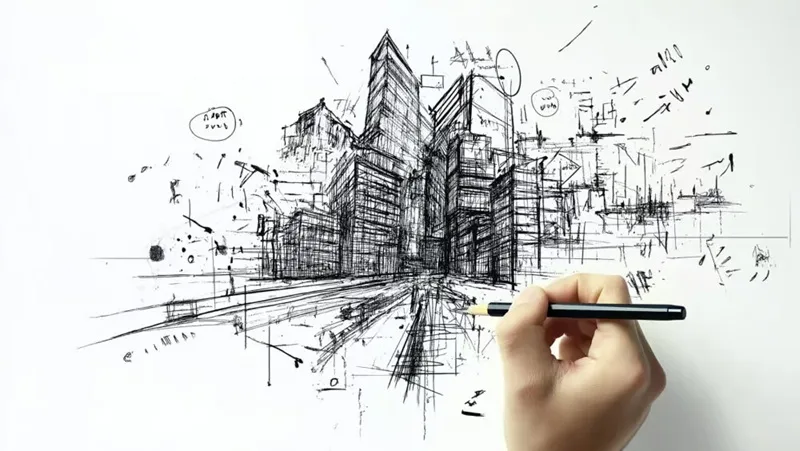
In the realm of modern architecture, design is not just about aesthetics or function; it’s about telling a story. The concept of design narratives has gained prominence as architects and designers aim to create spaces that resonate deeply with their inhabitants. These narratives transform buildings from mere structures to immersive experiences that reflect cultural, historical, and personal stories. The power of design narratives in modern architecture lies in their ability to connect, inspire, and engage people on an emotional level.
What Are Design Narratives in Architecture?
At its core, a design narrative is a story woven into the very fabric of a building or space. It’s the deeper meaning behind the materials, forms, and spaces that architects choose. This narrative could be inspired by the history of the location, the needs of its inhabitants, or the natural environment surrounding it. Design narratives make spaces come alive, giving them a sense of purpose beyond their physical function. They invite people to engage with the space, fostering connections with their surroundings. Design narratives are a powerful tool in modern architecture, where storytelling architecture creates immersive spaces that evoke emotions and connect deeply with people.
Creating Meaningful Spaces
In modern architecture, the goal is often to create spaces that are not just functional but also meaningful. A building’s design can evoke a sense of belonging and identity. For example, a community center may be designed with elements that reflect the local culture, history, or even the climate. A museum might incorporate symbolic forms that reflect the artist’s journey or the exhibits’ themes. By embedding a design narrative within a space, architects can enhance the user experience, making it more personal and emotionally resonant.
The Influence of Culture and Context
Design narratives often draw heavily from the surrounding environment, both culturally and geographically. Architects frequently incorporate local materials, traditions, and climate into their designs, creating buildings that feel rooted in their place. For instance, a modern building in a desert region might use materials that help regulate temperature, while a coastal building could utilize natural light and views of the water to create a calming atmosphere. By considering the context, architects craft spaces that tell a story about where they are and who will inhabit them.
Historical and Personal Narratives
Another powerful aspect of design narratives is their ability to convey history. Architects often design spaces that reference historical events, figures, or movements, weaving these elements into the building’s structure. These narratives can also be personal, especially in residential architecture, where the design reflects the lifestyle, preferences, and memories of its occupants. By incorporating elements that hold significance to the inhabitants, architects can create spaces that feel uniquely tailored to their lives and experiences.
The Emotional Impact of Design Narratives
The true power of design narratives in architecture is their ability to evoke emotions. A well-crafted narrative can transport people to different times or places, making them feel connected to something larger than themselves. For example, the use of open spaces and natural light in a hospital can promote healing, while the design of a school might aim to inspire creativity and collaboration. When designed with a narrative in mind, buildings can create lasting impressions that shape people’s experiences and memories.
Conclusion
In modern architecture, design narratives are much more than decorative choices. They are the essence of a building, giving it meaning and purpose that extend beyond its physical form. By weaving narratives into their designs, architects can create spaces that connect with people emotionally, foster a sense of identity, and inspire those who inhabit them. The power of design narratives lies in their ability to turn architecture into a storytelling medium, one that communicates culture, history, and personal experiences in a way that is felt deeply by all who enter.