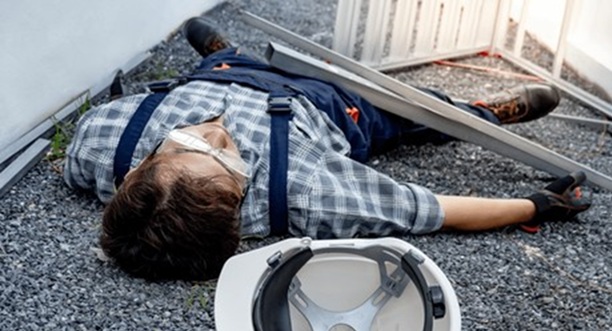
Construction workers show up every day around equipment that can crush, electrocute, or drop them without much warning. One missed step, one unsecured beam, or one trench wall that was not reinforced, and someone does not go home.
These incidents do not come out of nowhere. The same categories of failure show up repeatedly across job sites, whether the project is a residential build or a commercial high-rise. That pattern matters, because it means most of these deaths were entirely preventable and that someone was responsible for the conditions that caused them.
When a preventable accident does happen, workers have options. Filing a construction accident claim is how injured workers pursue compensation for medical bills, lost income, and other costs that follow a serious job site injury.
What the Numbers Actually Show
OSHA reported that construction workers made up one in five workplace fatalities in the United States in 2022. The agency identifies four specific hazard types: falls, struck-by incidents, electrocutions, and caught-in or caught-between accidents. Together they cause nearly 60% of all construction deaths every single year.
Why Falls Keep Topping the List
A worker on a scaffold twelve feet up with no guardrail is one stumble away from a fatal outcome. Wet surfaces, unsecured ladders, and missing edge protection are the conditions that precede most fall deaths. Falls consistently rank as the single deadliest hazard across the entire construction industry.
Struck-By Incidents Are Easy to Overlook Until They Are Not
A crane operator swings a load. A forklift backs up without a spotter. A tool drops from three stories. None of these feel like emergencies until they suddenly are. Struck-by accidents kill workers fast, and the margin between a close call and a fatality is often just where someone happened to be standing.
The Electrical Hazard Nobody Takes Seriously Enough
Overhead power lines do not look like a threat until someone’s equipment gets too close. The majority of electrical fatalities on job sites involve situations where proper lockout and de-energization procedures simply were not followed.
Caught-In Hazards and Trench Collapses
Trench walls that collapse without proper reinforcement. Machinery with exposed moving parts. Equipment that catches a sleeve or a pant leg. Caught-in and caught-between accidents do not get as much attention as falls, but the serious injuries they cause, including crushing, amputation, and asphyxiation, are among the most severe.”
When Training Gets Skipped
Construction sites are fast-paced, and training is sometimes treated as completely optional. A new hire thrown into a task they have never been shown how to do safely, or a subcontractor working with no clear oversight, creates the exact conditions for a serious accident. The worker ends up paying dearly for that gap with their body.
What Bad Site Management Looks Like
Cluttered walkways. Burned-out lighting. Missing barriers around open excavations. Inspection reports that sat in someone’s inbox for weeks. These are not random occurrences. They are the result of decisions that got made, or were not made, by the people responsible for running the site safely.
Key Takeaways
- Falls remain the leading cause of construction fatalities, most involving missing or inadequate fall protection.
- Construction accounts for one in five worker deaths nationwide.
- The Fatal Four hazards, falls, struck-by, electrocution, and caught-in, cause nearly 60% of all construction deaths each year.
- Inadequate training and absent supervision consistently appear as root causes in job site accident investigations.
- Poor site conditions such as cluttered walkways and missing barriers reflect management failures, not worker carelessness.
- Injured construction workers can pursue a claim to recover medical expenses, lost wages, and related damages.