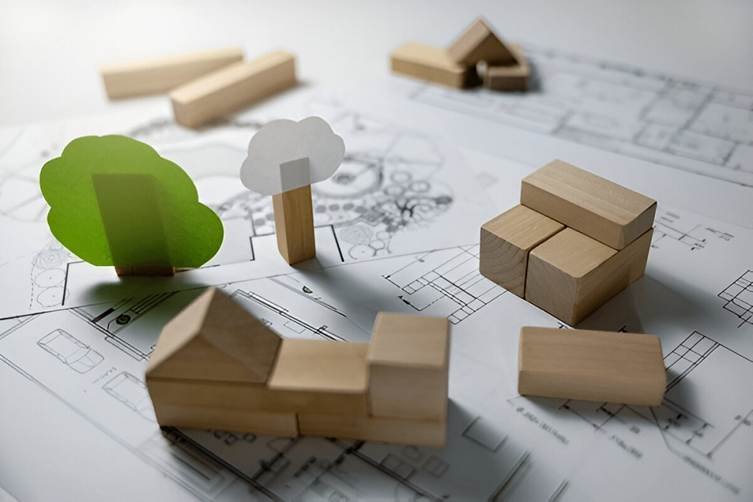
Green architecture is rapidly evolving, with new technologies and design principles reshaping our built environment. As we face increasing environmental challenges, the construction industry is responding with innovative solutions that promise a more sustainable future. This article explores the cutting-edge trends and innovations that are set to define the future of green architecture.
Current Trends in Sustainable Green Architecture
The principles of sustainable green architecture are becoming increasingly important as cities strive to reduce their environmental impact. Several key trends are currently shaping the industry:
Sustainable Building Materials
One of the most significant shifts in green architecture is the adoption of sustainable building materials. Cross-Laminated Timber (CLT) is gaining prominence, offering superior structural performance with a lower carbon footprint compared to traditional materials. This innovative wood product is being used in large-scale projects, demonstrating that sustainable materials can meet the demands of modern construction.
Energy Efficiency Innovations
Smart building technologies are at the forefront of energy efficiency in green architecture. These systems optimize climate control, lighting, and resource management:
- Smart HVAC systems adjust temperature and airflow based on occupancy and external conditions, reducing energy waste.
- Automated lighting with daylight harvesting capabilities significantly lowers electricity usage.
- IoT integration allows for real-time monitoring and adjustment of building systems, ensuring optimal performance.
Biophilic Design
The integration of nature into architecture, known as biophilic design, has become a cornerstone of sustainable building practices. Green roofs and walls are not just aesthetically pleasing; they offer tangible benefits:
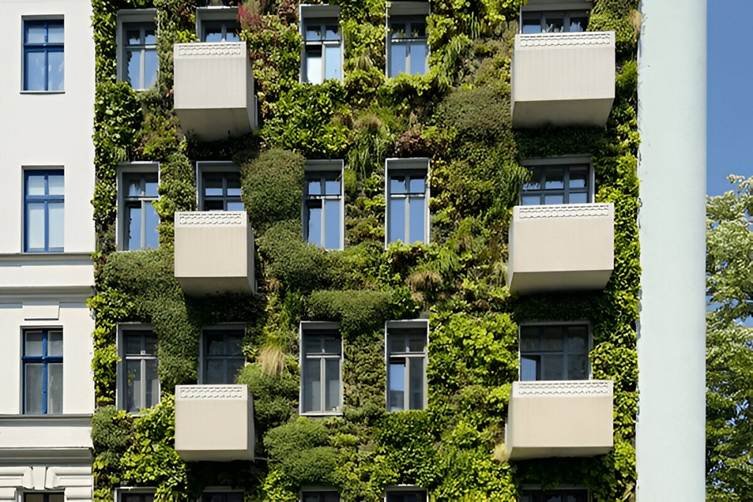
- Enhanced urban biodiversity
- Improved air quality in dense urban areas
- Natural insulation, reducing heating and cooling needs
- Effective stormwater management, easing the burden on city infrastructure
Innovative Green Design Technologies Shaping Tomorrow’s Buildings
Innovative green design strategies are at the forefront of creating buildings that are not only environmentally friendly but also aesthetically pleasing. As we look to the future, several technologies are poised to revolutionize sustainable architecture:
Advanced Enclosure Systems
The building envelope is getting a high-tech makeover with advanced enclosure systems. These include:
- High-performance glazing that maximizes natural light while minimizing heat gain
- Enhanced thermal breaks that significantly reduce energy transfer
- Smart facades that adapt to changing environmental conditions
These innovations not only improve energy efficiency but also enhance occupant comfort and well-being.
Renewable Energy Integration
The future of green architecture will see a seamless integration of renewable energy sources into building design. Solar panels are becoming more efficient and aesthetically pleasing, allowing for their incorporation into various architectural elements. Some innovative projects are even exploring the use of algae bioreactors in facades to generate energy and provide dynamic shading.
AI and Machine Learning in Building Management
Artificial Intelligence (AI) and machine learning are set to play a crucial role in optimizing building performance. These technologies can:
- Predict maintenance needs before issues arise
- Adjust building systems in real-time based on usage patterns and weather forecasts
- Continuously improve energy efficiency through data analysis and learning algorithms
Green Roof Architecture: A Key Trend in Sustainable Building
Green roof architecture is gaining popularity for its ability to improve urban biodiversity and manage stormwater runoff effectively. These living roofs offer multiple benefits:
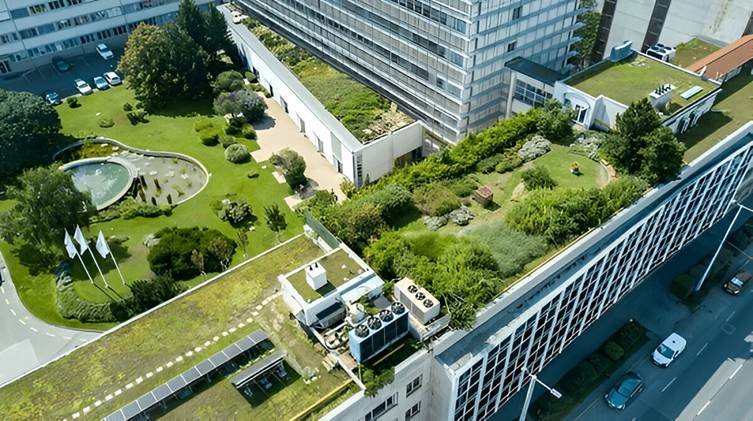
- Reduction of the urban heat island effect
- Extended roof lifespan by protecting it from UV radiation and temperature fluctuations
- Creation of additional usable space for urban agriculture or recreational areas
Notable projects like the CoStar Group Corporate Campus are showcasing the potential of green roofs combined with other sustainable technologies. This project integrates photovoltaic cells into spandrel glass, generating an impressive 650,000 kWh of energy annually.
Predicting the Future of Green Architecture: What’s Next?
The future of green architecture looks promising, with advancements in materials science and smart technologies paving the way for even more sustainable buildings. Industry experts predict several key developments by 2025:
- Energy Transition: Increased investments in clean technologies will lead to buildings that are not just energy-efficient but energy-positive, producing more power than they consume.
- Climate Finance: Growth in private capital mobilization for sustainable projects will accelerate the adoption of green building practices globally.
- AI Integration: Enhanced resource management through AI will push the boundaries of operational efficiency in buildings.
- Standardized Sustainability Reporting: The adoption of global reporting standards will improve transparency and drive competition in sustainable design.
The regulatory landscape is also evolving to support these advancements. The International Green Construction Code (IgCC) 2024 is set to provide comprehensive sustainable building guidelines, reflecting the latest technological advances and offering a global adoption framework.
As we look to the future, green architecture is not just about reducing environmental impact; it’s about creating spaces that enhance human well-being while coexisting harmoniously with nature. The innovations and trends we’re seeing today are just the beginning of a profound transformation in how we design, build, and interact with our built environment.
The journey towards truly sustainable architecture is ongoing, but with each innovative project and technological advancement, we move closer to a future where our buildings are not just structures, but active contributors to a healthier planet.