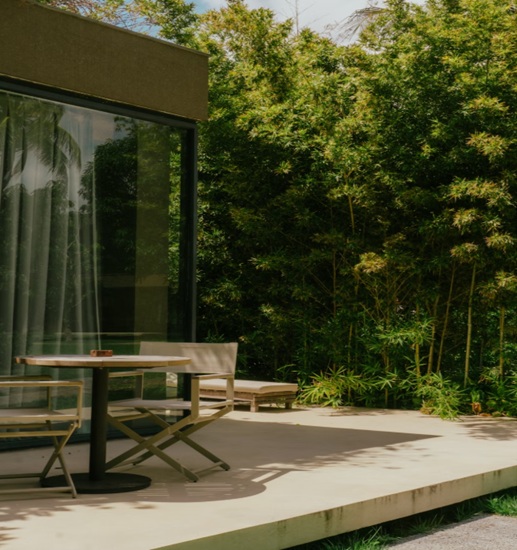
The art of landscape design has undergone a profound transformation over the past two decades, evolving far beyond traditional concepts of manicured lawns and formal garden beds. What was once primarily focused on aesthetic appeal through imported plants and water-intensive maintenance has blossomed into a sophisticated discipline that balances environmental stewardship, functional design, and holistic wellness principles.
This evolution reflects broader cultural shifts toward sustainability, mental health awareness, and the recognition that our outdoor spaces profoundly impact both personal well-being and ecological health. Modern landscape design no longer simply aims to create beautiful spaces; it seeks to forge meaningful connections between people, place, and environment while addressing contemporary challenges such as climate change and biodiversity loss.
From Ornamental to Functional Integration
Traditional landscape design was largely ornamental, focusing on visual impact through formal arrangements, exotic plants, and clearly defined spaces. Lawns dominated residential landscapes, punctuated by foundation plantings that required significant water, fertilizer, and maintenance inputs to maintain their intended appearance.
The modern approach recognizes that outdoor spaces must serve multiple functions simultaneously. Contemporary designs integrate food production, stormwater management, wildlife habitat, and recreational areas within cohesive aesthetic frameworks. Edible landscapes have gained prominence, with fruit trees, herb spirals, and vegetable gardens seamlessly woven into decorative plantings.
Functional integration extends to infrastructure elements as well. Rain gardens manage stormwater runoff while creating seasonal visual interest. Permeable paving materials reduce environmental impact while defining pathways and gathering spaces. The concept of outdoor rooms has revolutionized how spaces are planned, creating distinct areas for different activities—meditation spaces, entertainment zones, and productive gardens.
Sustainability as Design Driver
Environmental consciousness has become the primary driver of modern landscape design evolution. The recognition that traditional landscaping practices often work against natural systems has led to fundamental changes in plant selection, water management, and maintenance approaches.
Native plant landscaping has moved from niche interest to mainstream practice, driven by understanding of its environmental and practical benefits. Native plants require less water, support local wildlife, and create landscapes that feel authentic to their geographic context. This shift has sparked renewed interest in regional plant communities and traditional ecological knowledge.
Water-wise design principles now influence every aspect of landscape planning. Xeriscaping techniques have been adapted for diverse climates, while efficient irrigation systems and strategic plant placement reduce overall water consumption while maintaining lush, appealing landscapes.
Professional Expertise and Regional Adaptation
The complexity of modern landscape design has increased the value of professional expertise in creating successful outdoor spaces. Contemporary landscape designers must understand ecology, hydrology, soil science, and climate patterns alongside traditional design principles and horticultural knowledge.
Regional expertise has become particularly important as designs increasingly emphasize local plant communities and climate adaptation. Landscape design Kapiti Coast professionals and specialists in other regions bring a deep understanding of local growing conditions, native plant communities, and regional aesthetic traditions that inform authentic, sustainable design solutions.
Professional designers also navigate increasingly complex regulatory requirements related to stormwater management and environmental protection. Their expertise ensures that projects comply with regulations while achieving client goals and environmental objectives.
The integration of technology in landscape design has created new possibilities for precision and efficiency. GPS-guided installation, drone surveying, and computer modeling enable more accurate planning and implementation while reducing waste and environmental impact during construction phases.
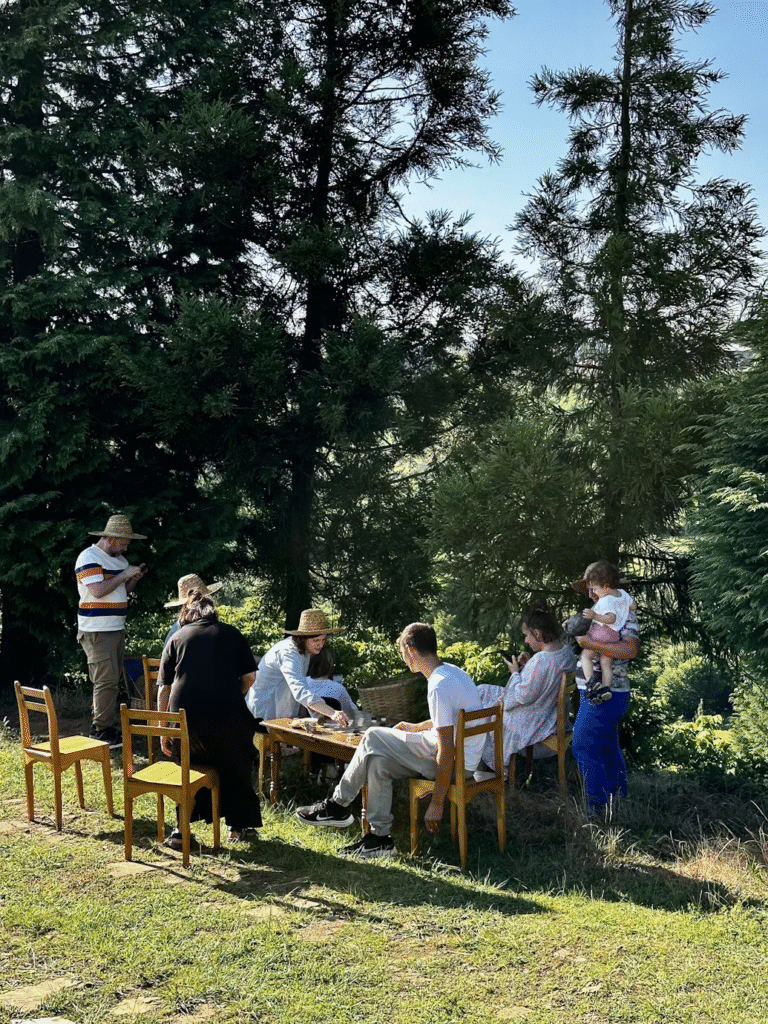
Wellness and Biophilic Design Integration
The recognition that outdoor spaces significantly impact mental and physical health has transformed landscape design priorities. Biophilic design principles, which emphasize human connections to nature, now influence everything from plant selection to spatial organization and sensory experiences within landscapes.
Therapeutic garden concepts have expanded beyond healthcare settings to influence residential and commercial landscape design. Elements such as water features for sound masking, aromatic plants for sensory engagement, and comfortable seating areas for contemplation are integrated into designs that support stress reduction and mental restoration.
Accessibility considerations have become integral to modern landscape design, ensuring that outdoor spaces serve users with diverse physical abilities. Universal design principles create landscapes that are navigable and enjoyable for people of all ages and mobility levels without compromising aesthetic appeal.
Edible landscaping has gained recognition not just for its practical benefits but also for its wellness contributions. Growing food connects people to natural cycles, provides physical activity, and creates opportunities for family interaction and education about nutrition and environmental stewardship.
Technology Integration and Smart Landscapes
Modern landscape design increasingly incorporates technology to enhance functionality, efficiency, and user experience. Smart irrigation systems adjust watering schedules based on weather data and soil moisture levels, optimizing plant health while conserving water resources.
Lighting technology has evolved to extend outdoor space usability while supporting ecological objectives. LED systems provide efficient illumination for evening use while minimizing light pollution that can disrupt wildlife patterns. Solar-powered options reduce energy consumption and enable lighting in locations without electrical infrastructure.
Plant health monitoring systems use sensors and data analysis to track growing conditions and predict maintenance needs. This predictive approach enables more targeted interventions that maintain plant health while reducing unnecessary treatments and resource consumption.
Future Directions and Emerging Trends
The evolution of landscape design continues to accelerate, driven by climate change concerns, technological advances, and growing understanding of ecological relationships. Climate adaptation strategies are becoming central to landscape planning, with designs that anticipate changing precipitation patterns, temperature extremes, and severe weather events.
Urban agriculture integration is expanding beyond residential gardens to influence commercial and institutional landscape design. Productive landscapes that provide food security benefits while maintaining aesthetic appeal represent a growing design category that addresses multiple contemporary challenges simultaneously.
The concept of regenerative design, which seeks to create landscapes that actually improve environmental conditions over time, is gaining traction among forward-thinking designers and clients. These approaches go beyond sustainability to actively restore ecosystem functions and build environmental resilience.
Conclusion: A New Paradigm for Outdoor Spaces
The evolution of modern landscape design represents a fundamental shift from decorative gardening to holistic environmental stewardship. This transformation has created opportunities for outdoor spaces that serve multiple functions simultaneously—providing beauty, supporting biodiversity, managing environmental challenges, and enhancing human well-being.
The integration of ecological principles, technological tools, and wellness considerations has elevated landscape design to a sophisticated discipline that addresses contemporary challenges while creating meaningful connections between people and their environments. The success of modern landscape design lies in its recognition that outdoor spaces are integral components of larger ecological networks, creating beautiful, functional spaces that contribute to both environmental health and human experience.