India is slowly redefining the idea of progress at home. After years of vertical expansion and crowded city living, the conversation has shifted from how high homes rise to how thoughtfully they are planned. Space, once a symbol of indulgence, is now a fundamental need, closely tied to well-being, sustainability, and enduring tranquillity. This evolving mindset has pushed homebuyers to question conventional housing formats and seek environments that feel breathable, flexible, and future-ready.
Modern plotted communities are emerging at the intersection of this transition. No longer defined by isolation or sprawl, they are being shaped by intelligent planning, environmental sensitivity and community-centric design. Together, these developments point to a more intentional way of living, with homes shaped by climate awareness, personal growth, and evolving lifestyles. In this new residential paradigm, smart planning and sustainable living operate as a unified framework. They are not separate ideals, but a shared foundation for modern life.
Urban Growth and the Need for Smarter Residential Formats
By 2030, more than 40 per cent of India’s population is expected to reside in urban areas, intensifying pressure on land, infrastructure, water, and energy systems. As cities expand, high-density residential formats are increasingly revealing their limitations; congestion, heat stress, and shrinking open spaces are becoming everyday realities.
Plotted communities offer a counterbalance to this trajectory. With low-density layouts, wider internal roads along with integrated green buffers, they allow urban growth without overwhelming local ecosystems. The emphasis shifts from vertical compression to horizontal balance, supporting neighbourhoods that are healthier, calmer as well as more adaptable to long-term urban pressures.
Sustainability Embedded at the Planning Stage
Sustainable living delivers the greatest impact when it is introduced at the planning stage rather than added later. In modern plotted communities, layout design, plot orientation, and infrastructure placement are shaped by climate-sensitive principles. With a focus on daylight, ventilation, and thermal comfort, the need for artificial lighting and cooling is substantially decreased.
By integrating sustainability at the heart of residential design, this approach supports India’s climate commitments, net-zero emissions by 2070 and a 45 per cent reduction in carbon intensity by 2030, while also improving everyday efficiency and ensuring communities are resilient for decades to come.
Tangible Environmental and Financial Outcomes
The measure of sustainability has shifted from intent to impact. In India, projects that follow recognised green frameworks and internationally recognised certification systems demonstrate superior performance. Certified green communities command higher property values, signalling both market trust and long-term alignment with environmental standards.
Operationally and environmentally, certified green communities stand apart. They achieve 20–30 per cent energy savings, nearly 20 per cent lower maintenance costs, up to 35 per cent reduction in carbon emissions and almost 70 per cent less waste. These results highlight sustainability as a lasting value driver, integral to both the built environment and its long-term impact.
Green Open Spaces and Community Well-being
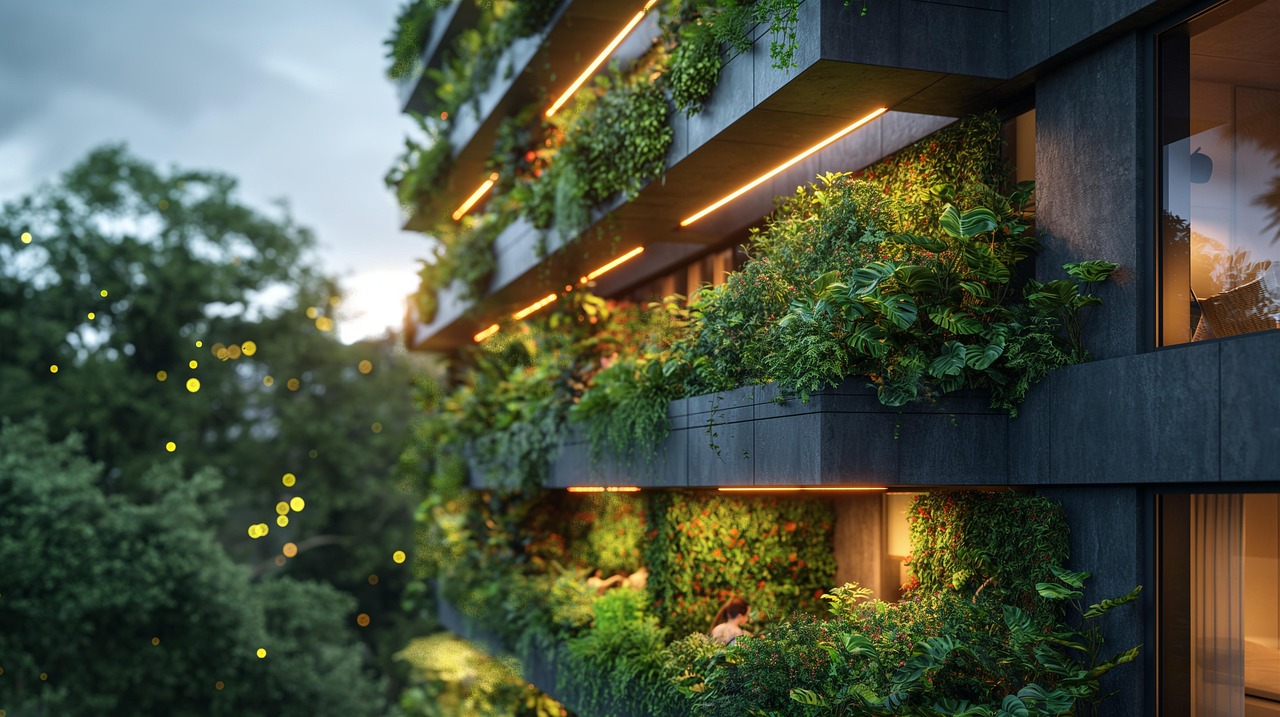
One of the most pivotal aspects of modern plotted communities is the presence of expansive green open spaces. Landscaped parks, tree-lined walking tracks plus shared outdoor zones function as natural cooling systems while mitigating heat-island effects and improving air quality.
Low-density planning further improves these perks by reducing noise, congestion and environmental stress. Such environments support healthier routines, encourage social interaction, and foster a stronger sense of community, all while preserving privacy and independence—qualities increasingly valued in contemporary living.
Building for Tomorrow, Living Better Today
Modern plotted communities demonstrate how sustainability can serve both present needs and future aspirations. With India’s green development landscape gaining momentum, communities that prioritise adaptability, resource efficiency, and climate responsiveness are becoming increasingly valuable. Infrastructure designed for longevity, renewable integration and low upkeep positions these communities to respond to regulatory shifts and technological change.
In doing so, they transform the very idea of residential value, where sustainable design improves daily living and safeguards future returns. This holistic approach signals a move toward urban growth that is resilient, thoughtful and fundamentally human-centric.
Authored By;

About Author
As the Managing Partner at Aakruthi Properties, the author led the Project planning, Marketing and Sales efforts, focusing on driving growth and enhancing our footprint in sustainable residential development in Bengaluru. His approach is holistic, viewing real estate as a catalyst for positive change in our clients’ lives, beyond just transactions.
With a strong result-oriented drive, intelligence, and a positive outlook, he excel in problem-solving, negotiation, and marketing, aiming to facilitate our clients’ real estate and lifestyle ambitions. He advocates a team-based approach, ensuring that we, at Aakruthi Properties, are not just building homes but fostering sustainable communities and fulfilling dreams in Bengaluru.