Why Roof Installation Defines Everything That Follows
A roof’s lifespan doesn’t start when it’s first exposed to weather — it starts the day it’s installed. Every seam, nail, and shingle placement determines how well it will perform over the next several decades. Proper roof installation is more than construction; it’s the foundation of your home’s safety, efficiency, and durability. A solid installation ensures your investment stands strong against storms, heat, and time.
The True Cost of Cutting Corners
Many roof issues stem from improper installation rather than material defects. Even the best shingles fail prematurely when fastened incorrectly or placed without proper ventilation. Loose flashing, poor alignment, and uneven sealing can create hidden vulnerabilities that surface years later as leaks or sagging.
Rushing through roof installation might save a few days upfront but often leads to thousands in long-term repair costs. Taking time to get it right ensures the structure performs as designed and remains compliant with building codes.
The Steps of a Proper Roof Installation
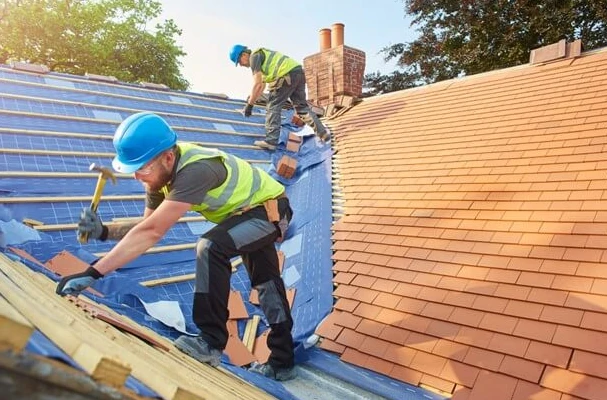
Installing a roof is a multi-stage process that requires precision and planning. Here’s how it should happen:
- Assessment and Planning: The contractor evaluates existing structures, slope, and drainage before starting.
- Old Roof Removal: Stripping away old materials exposes the deck for inspection and repair.
- Deck Preparation: Damaged boards are replaced, and surfaces are cleaned and dried.
- Underlayment Application: A waterproof barrier is installed to prevent moisture infiltration.
- Flashing and Drip Edges: These metal components direct water safely away from critical joints.
- Shingle or Panel Installation: Materials are laid with precise overlap and secure fastening.
- Final Inspection: Every joint, seal, and vent is checked to confirm durability and proper ventilation.
A professional roof installation follows these steps meticulously, ensuring your roof isn’t just built — it’s engineered for resilience.
Midpoint: Why Professional Installation Matters
In the middle of every successful project is skilled craftsmanship. Choosing expert installers like those at roof installation specialists ensures materials perform at their full potential. These professionals understand structural design, local weather challenges, and product-specific techniques that prevent early deterioration.
Certified contractors also ensure warranty compliance. Manufacturers often require professional installation to honor long-term coverage, which can extend protection for decades.
Material Matters — But Technique Is Everything
Your choice of roofing material influences appearance and durability, but even premium shingles can fail if installed incorrectly. Whether it’s asphalt, slate, metal, or clay, proper fastening patterns, sealant use, and ventilation setup determine performance.
An expert roof installation team considers factors like slope pitch, wind resistance, and weight load to ensure everything fits perfectly. They also choose compatible underlayments that support insulation and moisture control.
The Importance of Ventilation and Drainage
One of the most overlooked elements in roof design is airflow. Without it, trapped heat and moisture degrade roofing materials from the inside out. Proper ventilation balances attic temperature, reduces mold risk, and prevents ice dams in winter.
Drainage is just as critical. A roof must be pitched or designed to move water efficiently. Professional installers ensure gutters, downspouts, and valleys are correctly aligned for consistent runoff. Poor drainage leads to pooling, leaks, and rot — problems that shorten your roof’s life.
Timing and Weather Considerations
The best time for roof installation is during moderate weather conditions. Extreme cold can make shingles brittle, while high heat softens asphalt, affecting adhesion. Professional contractors schedule work to minimize weather risk, ensuring sealants cure properly and materials settle evenly.
Additionally, weather delays are managed through protective coverings and staging to keep your home safe and dry during construction.
Quality Assurance and Final Inspection
After installation, a thorough inspection verifies every layer meets safety and performance standards. Contractors check for:
- Consistent shingle alignment
- Proper nail placement and sealing
- Secure flashing around openings
- Ventilation and insulation integrity
A professional roof installation ends with documentation and warranty registration, giving homeowners peace of mind that their roof was built to last.
Energy Efficiency Through Proper Installation
A properly installed roof isn’t just stronger — it’s more efficient. Reflective materials, airtight seals, and balanced ventilation lower energy bills and improve comfort. By controlling airflow and insulation, homeowners experience consistent indoor temperatures year-round.
Energy-efficient roofing materials, combined with expert installation, can reduce cooling costs by up to 20%. This performance depends heavily on installation accuracy rather than just product choice.
Final Thoughts
Roof installation isn’t a project to rush or simplify. It’s a structural investment that affects every part of your home’s performance. From planning to finishing touches, precision defines longevity. Partnering with trusted professionals ensures your roof installation is done right the first time — giving your home lasting protection and enduring strength through every storm and season.