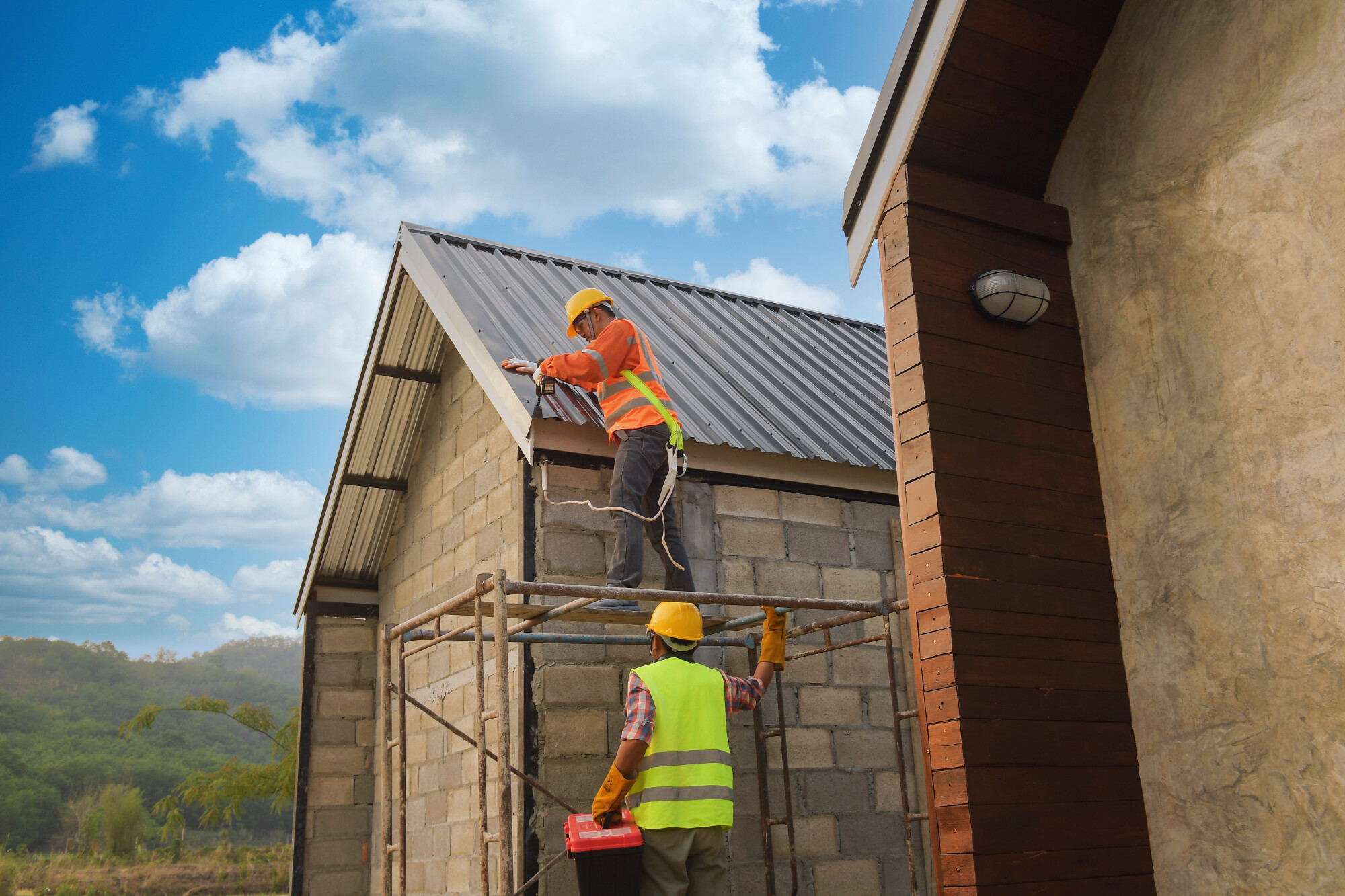
A roof must last to protect a building and save money. Long-lasting roof insulations help keep heat in and stop leaks. Poor insulation can cause high energy bills and damage.
Choosing the right material and installation method matters a lot. Checking the roof often can prevent small problems from getting worse. This guide shows clear steps to make roofs last longer.
Read on to learn how to get long-lasting roof insulations in commercial buildings. Start applying these tips to protect your investment now.
Assess Your Roof’s Structure Before Installation
Look at the roof carefully before putting in insulation. Check for weak spots or damage. A strong base makes insulation work better. Remove old or broken materials that can block airflow.
Think about the weight of the insulation and the roof’s capacity. Inspect areas that might leak first. A good structure reduces future repairs. Preparing the roof right keeps insulation strong for years, and resources like 1ESX can provide additional guidance on proper installation practices and maintenance.
Choose the Right Insulation Material
The material you pick affects how long it lasts. Different materials resist water, fire, and heat in different ways. Boards, foam, or reflective layers work for different needs. Look at thermal resistance ratings for energy efficiency.
Pick materials that suit the climate. Correct materials stop sagging or warping. This choice also saves money on repairs later. Make sure the insulation fits well with the existing roof.
Maintain Proper Ventilation
Good ventilation stops heat and moisture buildup. Blocked airflow can damage insulation. Add vents or channels for air to move freely. Check vents often to make sure they work.
Ventilation prevents mold and wood rot. It also helps keep indoor temperatures steady. Don’t seal vents when installing insulation. Proper airflow keeps long-lasting roof insulations effective.
Ensure Professional Installation
Bad installation can ruin good materials. Hire trained installers who follow rules. Seal edges, seams, and roof penetrations correctly. Use adhesives or fasteners as instructed.
Check the work during and after installation. Professional work lowers the risk of leaks. Keep records for warranties or future repairs. Skilled installation helps long-lasting roof insulations perform well.
Protect Against Water Damage
Water is a main cause of insulation problems. Add waterproof membranes or coatings over insulation. Seal areas around vents, chimneys, and skylights. Look for standing water and fix drains.
Stopping water prevents mold and wood rot. Inspect after heavy rain. Avoid putting insulation on wet surfaces. Water protection makes roofs and insulation last longer.
Consider Energy Efficiency
Energy-efficient insulation cuts heating and cooling costs. Reflective surfaces and high R-values help performance. Seal gaps to reduce heat loss. Insulation keeps temperatures stable inside.
It lowers HVAC strain and bills. Efficient insulation supports sustainability. Monitor energy use to see if insulation works. Energy efficiency adds to long-lasting roof insulations.
Inspect Roofing Layers Regularly
Check roofing layers often to spot problems early. Look for cracks, bubbles, or wear. Make sure insulation hasn’t shifted or compressed. Fix minor damage quickly. Inspections also show where energy efficiency may drop.
Keep a record of inspections. Regular checks help long-lasting roof insulations stay effective. Prevent major repairs by watching small changes.
Use Compatible Roofing Systems
Roof and insulation must match. Some coatings or membranes react badly with certain materials. Avoid mixing products with different expansion rates. Compatible layers reduce delamination or separation.
Follow manufacturer instructions. Proper layering keeps insulation performing. It also makes future repairs easier. Compatible systems make roofs last longer.
Secure Flashings and Edges
Flashing and edges are weak points. Seal around skylights, drains, and parapets. Use materials that resist corrosion and temperature changes. Check for lifting, cracking, or gaps.
Secure flashings stop water and insulation damage. Strong edges improve roof stability. Inspect edges regularly. Good edges help long-lasting roof insulations stay effective.
Schedule Routine Maintenance
Routine care keeps roofs and insulation in good shape. Clear debris, check seals, and inspect membranes. Fix small damage before it grows. Maintenance depends on roof type and climate. Keep a log of repairs and inspections.
Timely maintenance prevents energy loss. Have trained staff or contractors do full checks. Routine care supports long-lasting roof insulations.
Implement Weather-Resistant Features
Weather-resistant features protect insulation from damage. UV coatings and reflective barriers help. Reinforce spots exposed to wind or hail. Insulation must handle heat and cold changes.
Snow guards stop ice from causing damage. Strong adhesives and fasteners improve lifespan. Check weather risks in your area. Weather protection boosts long-lasting roof insulations.
Plan for Professional Commercial Roofing
Professional commercial roofing improves insulation results. Contractors know codes and material needs. They suggest solutions for building size and use. Proper planning ensures insulation works well.
Regular inspections are easier with professional help. Specialized tools ensure correct installation. Commercial roofing services support long-lasting roof insulations. Skilled contractors make roofs stronger and safer.
Monitor Roof Performance Over Time
Watch the roof to keep insulation working. Track energy use, indoor temperatures, and leaks. Use moisture or infrared sensors if possible. Record changes after storms or seasonal shifts.
Fix small problems quickly to avoid bigger issues. Keep maintenance records. Monitoring helps plan upgrades or replacements. Regular checks make long-lasting roof insulations reliable.
Plan for Emergency Repairs
Even well-installed roofs can face sudden damage. Have a plan to handle leaks or storms quickly. Keep repair materials or contacts ready. Train staff to spot problems fast. Quick repairs prevent water and insulation damage.
Document each repair for future reference. Emergency planning reduces long-term costs. Being ready ensures long-lasting roof insulations stay effective.
Train Maintenance Staff Properly
Proper training ensures that staff can care for roofs effectively. Teach them how to inspect insulation and roofing layers. Show how to spot early signs of leaks or damage. Train staff to clear debris without harming insulation.
Make sure they know safe handling of tools and materials. Regularly update training for new techniques or materials. Well-trained staff prevent small problems from becoming costly repairs. Proper training supports long-lasting roof insulations and overall roof durability.
Ensure Long-lasting Roof Installations in Commercial Buildings
Making roofs last needs care at every step. Choose the right materials, install correctly, and maintain regularly. Ventilation, water protection, and weather resistance increase lifespan.
Regular monitoring and quick repairs prevent big problems. Make sure insulation and roofing layers are compatible. Energy efficiency lowers costs and protects comfort. Following these steps keeps commercial buildings safe and roofs durable for years.
For other topics, check our blog. We have more!