Shingle roofs remain one of the most common roofing choices in the United States thanks to their affordability, durability, and wide range of styles. However, a roof’s longevity depends on more than just the quality of the shingles themselves. Environmental conditions and regional climate play a tremendous role in how long a roof will last. Homeowners who understand these climate-related factors can take better steps toward protecting their homes and extending the life of their roofing system.
When it comes to areas with unique weather challenges, working with experts becomes vital. For instance, homeowners seeking Tampa Bay Roofing Services contend with a climate marked by heavy rain, year-round humidity, salt air from the coast, and intense sun exposure. These conditions can accelerate wear and tear on shingle roofs if routine inspection and preventive maintenance aren’t prioritized.
Heat and Sun Exposure
In warm, sunny climates, UV rays relentlessly beat down on shingles, gradually breaking down the materials and causing them to lose flexibility. Asphalt shingles are particularly susceptible, often drying out, curling, or cracking under prolonged heat. As shingles degrade, they lose their ability to protect against water, leaving the home vulnerable to leaks. Roofs in hot regions typically require more frequent inspections so issues can be spotted before they worsen.
Moisture, Rain, and Humidity
High humidity combined with heavy rainfall creates a perfect environment for algae, mold, and moss growth on roofs. While algae streaks often start as a cosmetic nuisance, they eventually contribute to roof deterioration by weakening shingles and trapping moisture. Prolonged dampness can also break down adhesive bonds, leading to shingles loosening or detaching altogether. Proper attic ventilation, roof cleaning, and drainage maintenance are crucial for combating these moisture-driven issues.
Wind and Storm Damage
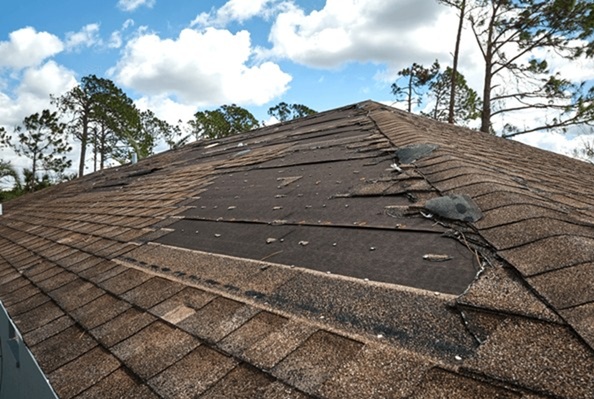
In coastal regions and storm-prone areas, strong winds and tropical systems create additional challenges. High winds can lift shingles, loosen nails, or cause complete sections of roofing to tear away. Flying debris from trees or neighboring properties also poses a significant risk during storms. Even when a roof appears intact afterward, hidden vulnerabilities often exist. Routine post-storm inspections can help uncover subtle damage before it escalates into major repairs.
Cold and Freeze-Thaw Conditions
For homeowners in colder regions, freezing temperatures add another layer of risk. Snow and ice accumulation can cause ice dams that trap water beneath shingles, leading to leaks. Additionally, the freeze-thaw cycle causes materials to expand and contract repeatedly, weakening shingle structures over time. Adequate insulation, attic ventilation, and timely snow removal help prevent damage in winter climates.
Extending the Life of Shingle Roofs
While climate dictates many of the stress factors impacting shingles, homeowners are not powerless. Preventive steps like routine roof cleanings, keeping gutters clear, trimming overhanging branches, and scheduling annual professional inspections can make a significant difference. Addressing minor issues quickly often prevents them from evolving into costly repairs. Homeowners who prioritize maintenance enjoy shingle roofs that outperform average lifespan expectations.
By acknowledging the powerful influence of climate and taking proactive steps, homeowners can protect their investment and enjoy the full value of their shingle roof for decades to come.