In highway engineering, the structural integrity and safety of a roadway depend not only on the pavement layers but also on auxiliary components such as medians and shoulders. These elements significantly influence road safety, drainage performance, traffic efficiency, and long-term durability of the pavement structure.
While pavements bear vehicular loads, medians prevent cross-traffic conflicts and shoulders provide lateral support and emergency refuge. Proper planning, design, and execution of median and shoulder construction are therefore critical in modern highway infrastructure projects.
Median Construction
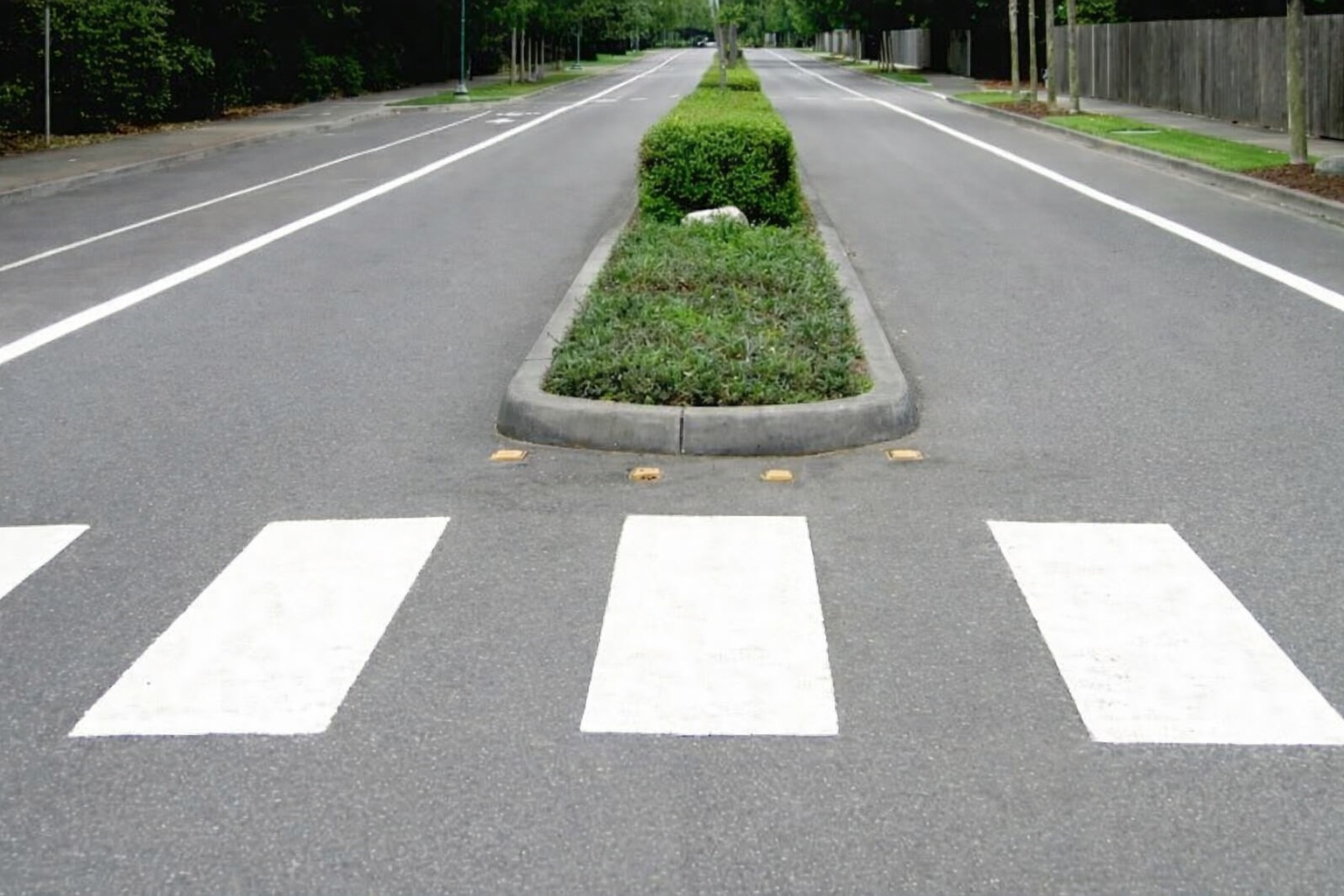
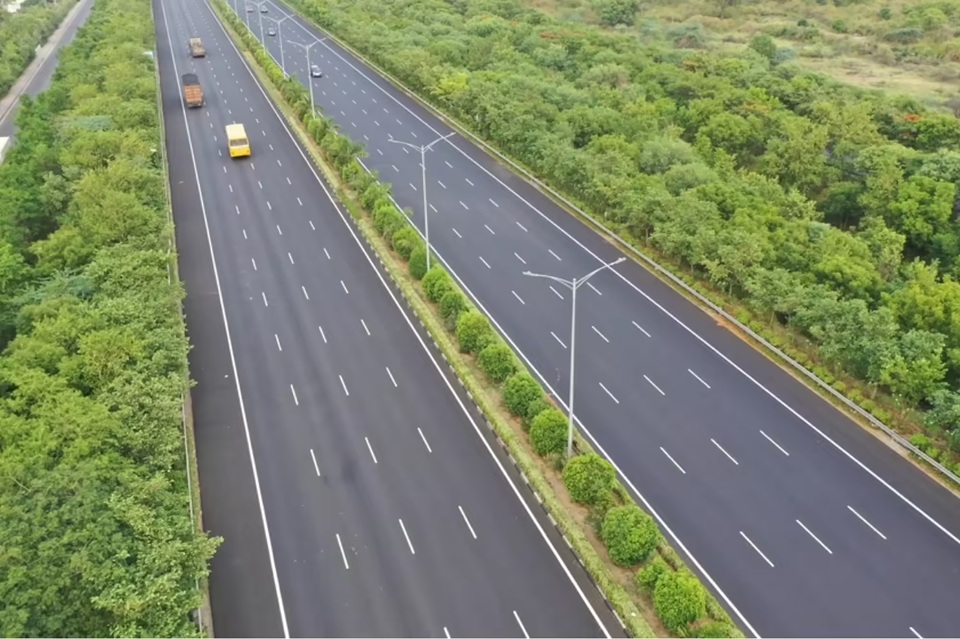
A median is the central dividing strip that separates opposing lanes of traffic on divided highways. It acts as both a physical and psychological barrier that reduces the risk of head-on collisions and improves operational safety.
Key Functions of Medians
- Separation of opposing traffic streams
- Reduction in head-on and crossover accidents
- Provision of recovery space for errant vehicles
- Accommodation for drainage systems
- Space for future road widening
- Pedestrian refuge in urban areas
- Aesthetic enhancement through landscaping
Types of Medians
Depressed Median
Common in rural highways where right-of-way is sufficient. It is lower than the carriageway and often acts as a drainage channel. This type provides a wider recovery area and improves safety on high-speed roads.
Raised Median
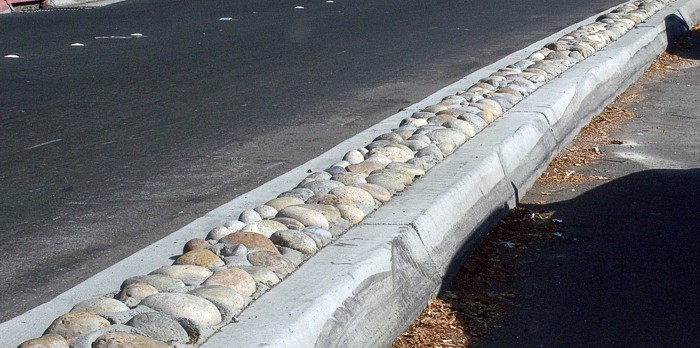
Widely used in urban roads. Constructed using kerbs and concrete edging, it restricts pedestrian crossing to designated points and enhances traffic discipline.
Barrier Median
Used in high-speed corridors and expressways. Reinforced concrete or metal beam crash barriers are installed to prevent vehicle crossover and reduce the severity of collisions.
Flush Median
Level with the road surface and differentiated by pavement markings or reflective studs. It is suitable where space constraints do not allow raised or depressed medians.
Design Standards and Guidelines
In India, median design follows guidelines issued by the Indian Roads Congress and specifications of the Ministry of Road Transport and Highways.
Recommended Median Widths
- Urban roads typically provide narrower medians due to right-of-way limitations.
- Rural highways adopt wider medians for safety and drainage.
- Expressways often include very wide medians to accommodate future expansion.
Design Considerations
- Adequate stopping sight distance
- Proper cross slope for drainage
- Longitudinal slope to prevent water stagnation
- Selection of crashworthy barriers
- Provision for utilities and lighting
Materials Used in Median Construction
Median construction generally involves:
- Compacted earth fill
- Granular Sub-Base
- Wet Mix Macadam
- Plain Cement Concrete
- Reinforced Cement Concrete
- Precast kerb stones
- Metal beam crash barriers
Material selection depends on traffic intensity, road classification, and environmental conditions.
Median Construction Process
Survey and Layout
- Establish centerline alignment
- Mark median width and edges
- Confirm levels and gradients
Earthwork and Formation
- Excavation or embankment formation
- Layer-wise filling and compaction
- Achieving specified density requirements
Sub-base Preparation
- Laying granular material
- Moisture conditioning
- Mechanical compaction
Base Course Construction
- Placement of base layer
- Rolling and density verification
Kerb and Barrier Installation
- Alignment using guide strings
- Fixing precast kerbs in concrete bedding
- Casting reinforced concrete median or installing metal crash barriers
Finishing and Landscaping
- Placement of topsoil
- Turfing or plantation
- Installation of reflectors and signage
Safety Provisions in Medians
Modern median construction integrates:
- Reflective delineators
- Median lighting systems
- Crash cushions at openings
- Anti-glare screens
- Proper drainage outlets
These features significantly reduce nighttime accidents and improve visibility.

Shoulder Construction
A shoulder is the strip adjacent to the carriageway that provides structural support and emergency stopping space. It protects the pavement edge and enhances overall roadway safety.
Functions of Shoulders
- Emergency vehicle parking
- Lateral support to pavement
- Surface drainage control
- Access for maintenance activities
- Space for pedestrians or cyclists in rural areas
Types of Shoulders
Earthen Shoulder
Constructed using compacted soil. It is economical but requires regular maintenance and regrading.
Gravel Shoulder
Offers improved stability and drainage compared to earthen shoulders. Suitable for moderate traffic conditions.
Paved Shoulder
Constructed using bituminous or concrete layers. Common in highways and expressways where higher structural performance is required.
Shoulder Width Standards
As per specifications of the Ministry of Road Transport and Highways, shoulder widths vary depending on highway classification.
- Two-lane highways provide adequate shoulder width for safe stopping.
- Multi-lane highways include wider paved shoulders.
- Expressways require generous shoulder space for safety and breakdown management.
Shoulder Construction Methodology
Site Preparation
- Clearing vegetation
- Removal of unsuitable soil
- Surface grading
Subgrade Preparation
- Soil compaction
- Verification of strength characteristics
- Level and alignment checks
Granular Sub-Base Layer
- Spreading granular material
- Moisture control
- Compaction using rollers
Base Course
- Laying base layer material
- Achieving specified density
Surface Layer
- Bituminous surfacing or concrete finish
- Proper bonding with main carriageway
Edge Finishing
- Trimming and dressing
- Installation of rumble strips if required

Common Construction Challenges
Edge Cracking
Occurs when shoulders fail to provide adequate structural support to the pavement edge.
Water Logging
Improper cross slope leads to erosion and weakening of shoulder layers.
Settlement
Results from inadequate compaction or weak subgrade conditions.
Proper supervision and strict quality control help mitigate these issues.
Quality Control and Testing
Median and shoulder construction require consistent monitoring through:
- Field density testing
- Moisture content checks
- Concrete strength testing
- Alignment and level verification
- Visual inspection for defects
Shoulder Maintenance
- Re-compaction of earthen shoulders
- Crack sealing near pavement edges
- Re-grading and pothole filling
Routine maintenance improves performance and extends service life.
Sustainability in Median and Shoulder Construction
Modern highway projects emphasize environmentally responsible practices such as:
- Use of recycled aggregates
- Geotextile reinforcement
- Permeable shoulder systems
- Native plantation in medians
- Energy-efficient lighting systems
Role in Highway Safety and Durability
Well-designed medians significantly reduce the likelihood of head-on collisions by separating opposing traffic. Properly constructed shoulders provide lateral stability, reduce edge stresses, and extend pavement life.
Medians and shoulders are therefore not secondary elements but essential components of safe, efficient, and resilient highway systems.
Conclusion
Median and shoulder construction are important aspects of highway engineering that influence safety, structural performance, drainage efficiency, and long-term durability. From earthwork and compaction to barrier installation and finishing works, each stage demands careful planning and adherence to established standards.
Following guidelines from recognized authorities such as the Indian Roads Congress and the Ministry of Road Transport and Highways ensures consistent quality and safety. When properly designed, constructed, and maintained, medians and shoulders enhance traffic efficiency, reduce accident severity, and contribute to sustainable infrastructure development. In modern highway engineering practice, these components are fundamental elements of high-performance transportation corridors.