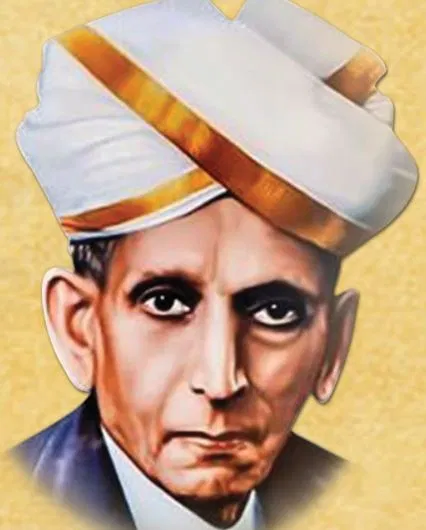
India observes Engineers’ Day on September 15 each year to commemorate the birth anniversary of Sir Mokshagundam Visvesvaraya (1860–1962), widely recognized as Sir MV. Beyond being a civil engineer, he was a visionary industrialist, nation-builder, and administrator whose contributions spanned irrigation, flood control, public works, industrialization, and technical education.
His work laid the foundation for systematic engineering practices in India, combining scientific innovation with administrative foresight. Revisiting his life, this article outlines his technical accomplishments, governance strategies, philosophy of work, and enduring relevance to engineers today.
Sir MV was born on 15 September 1860 in Muddenahalli, in present-day Chikkaballapur district, Karnataka. The son of Srinivasa Rao, he grew up in a household that valued education, discipline, and civic responsibility. He completed his schooling in Bangalore before enrolling at Central College, Bangalore. Later, he pursued civil engineering at the College of Engineering, Pune (then Poona College of Engineering), graduating with distinction.
During his time at Pune, he was awarded the James Berkley Gold Medal for academic excellence. His education emphasized applied mathematics, hydraulics, and structural engineering, equipping him with the technical foundation to address India’s growing infrastructural challenges.
Early Career and Technical Contributions
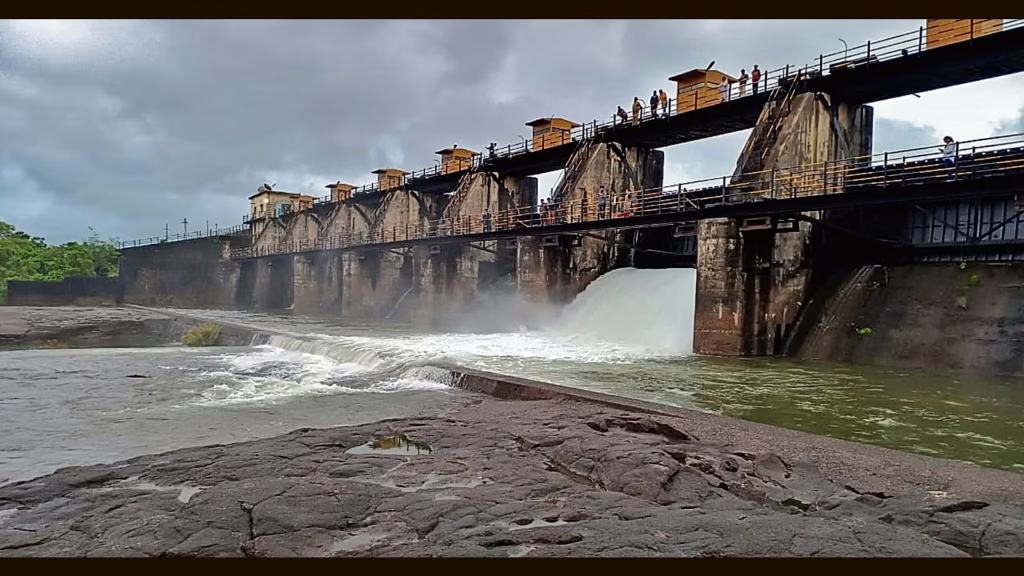
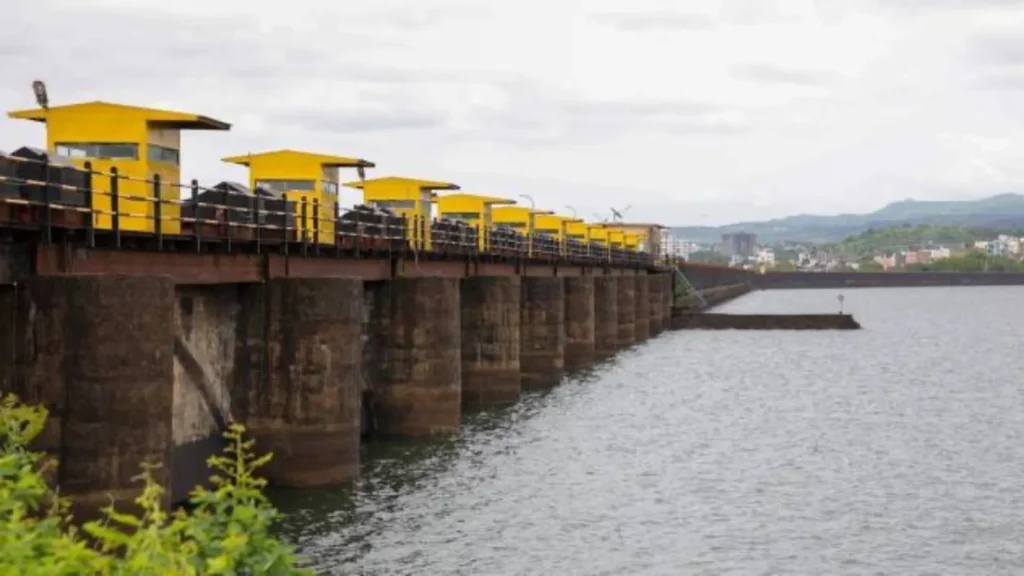
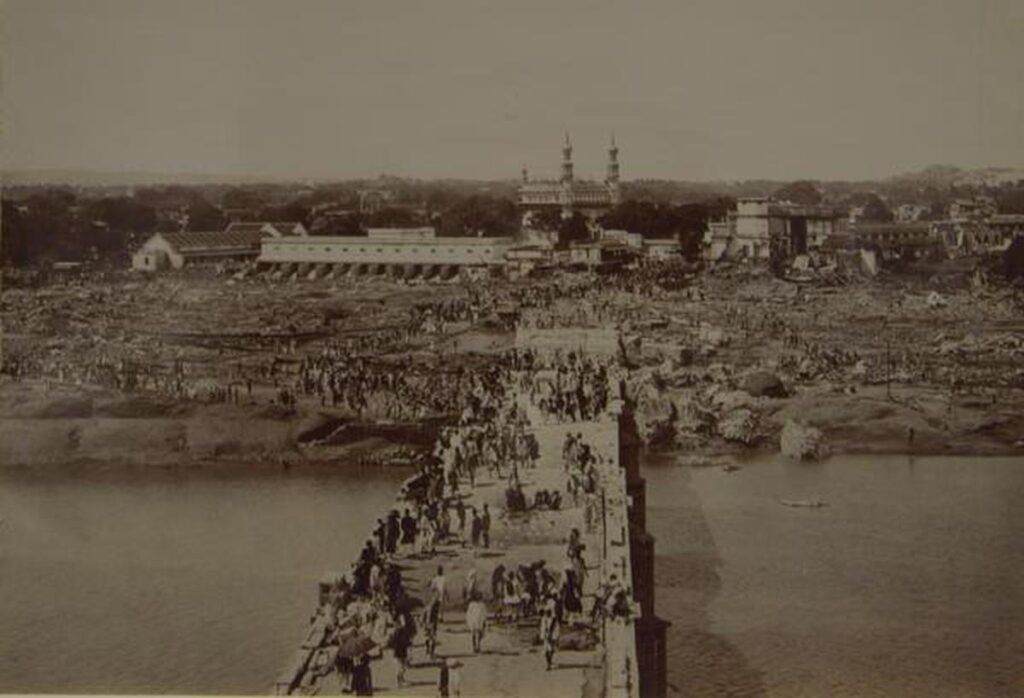
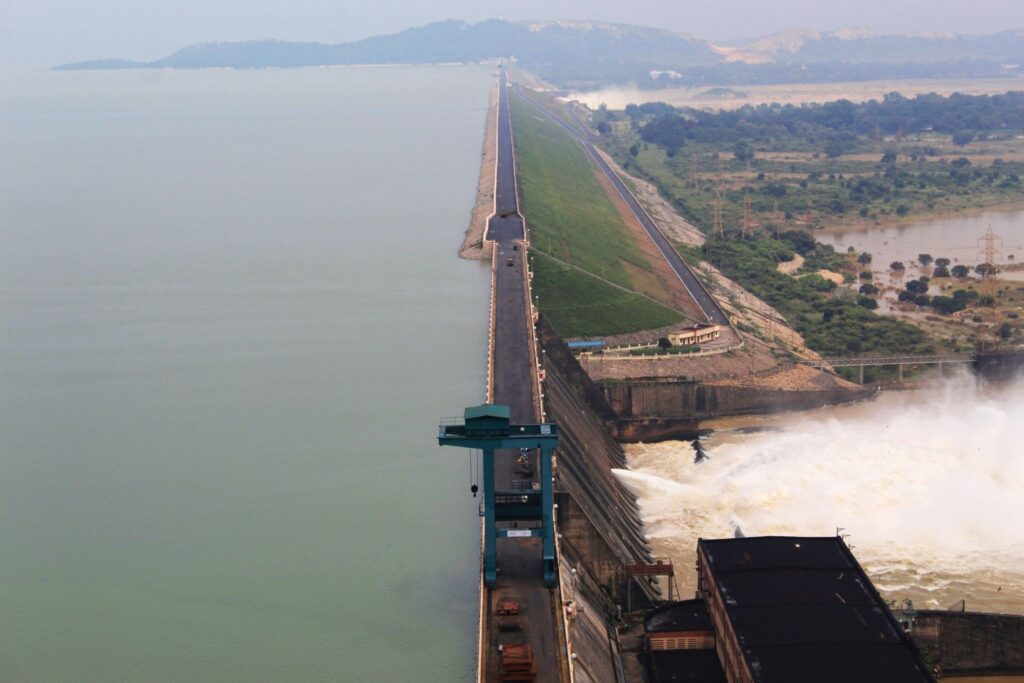
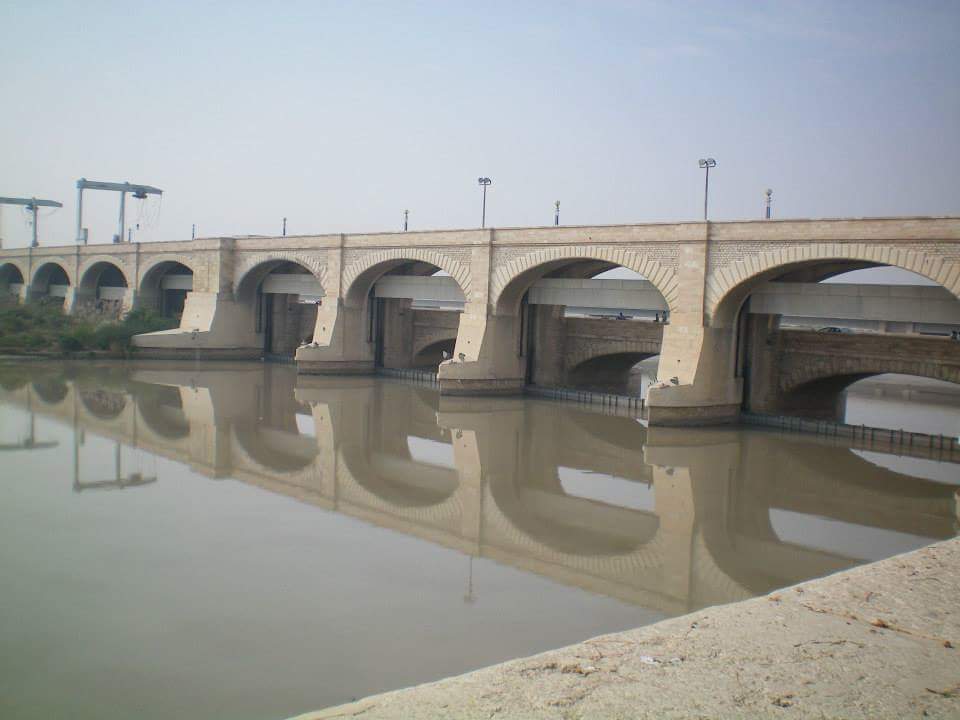
After completing his engineering degree, Visvesvaraya began his career in the Public Works Department (PWD) of Bombay Presidency. Early assignments included irrigation and drainage projects that introduced him to the complexities of water management in India.

Administration as Diwan of Mysore (1912–1918)
Appointed as Diwan at age 52, Sir MV applied engineering principles to governance:
- Education Reforms: Advocated compulsory primary education and expansion of technical institutions, including strengthening the Indian Institute of Science, Bengaluru. He promoted vocational training and science-focused curricula to produce skilled engineers and technicians.
- Industrial Development: Established sugar mills, sandalwood oil factories, and soap factories. Encouraged hydroelectric power generation and facilitated small-scale industries to boost employment and revenue.
- Banking and Finance: Instrumental in establishing the State Bank of Mysore, improving credit availability for agriculture and industry.
- Scientific Agriculture: Introduced cooperative societies, irrigation planning, and agricultural engineering practices.
- Urban Planning: Recommended city planning, road expansion, and water supply management in Mysore, emphasizing long-term sustainability.
His governance was a fusion of technical precision and administrative discipline, making Mysore a model of modernized princely states.
Philosophy and Approach to Work
Sir MV’s professional ethos combined discipline, foresight, and societal commitment:
- Efficiency and Precision: He insisted that even routine tasks should be performed with excellence.
- Lifelong Learning: Regularly studied international engineering methods, adapting them to Indian conditions.
- Public Service Orientation: Believed that engineering solutions must serve the community and strengthen the nation.
- Inspiration for Engineers: Famously stated, “Work may be humble, but it must be done in a manner that no one else can excel.”
Sir M. Visvesvaraya’s Vision for Bangalore: 1953 Blueprint for a Modern City
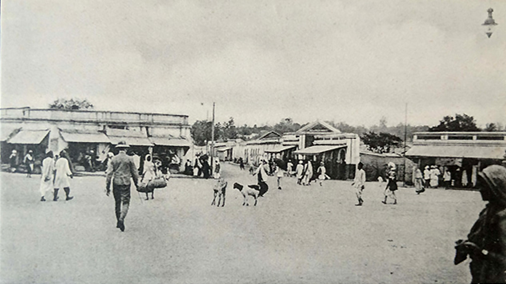
In 1953, Sir MV addressed the Bangalore Literary Union with a lecture entitled “The Bangalore City and Its Future”, outlining a comprehensive vision for the city’s sustainable growth. He analyzed rapid population increase, industrial expansion, and migration pressures, noting that unplanned growth could lead to slums, traffic congestion, and strained civic services.
His recommendations included preparing a Master Plan for zoning housing, industries, recreation, and government offices, construction of ring roads to improve traffic circulation, development of recreational corridors connecting key city parks, promotion of family planning, and establishment of civic voluntary associations to participate in municipal governance. He stressed education, discipline, and industrial efficiency as important for improving productivity and living standards. Decades later, Bangalore’s ongoing challenges in urban planning and infrastructure echo the issues he identified, demonstrating the continued relevance of his foresight in guiding city development and inspiring engineers to integrate technical solutions with civic responsibility.
Awards, Recognitions and Institutional Legacy
- Companion of the Indian Empire (CIE) – 1911
- Knight Commander of the Indian Empire (KCIE) – 1915
- Bharat Ratna – 1955, India’s highest civilian honour
- Honorary Memberships – Institution of Civil Engineers, London
- Honorary Degrees – D.Sc., LL.D., D.Litt. from multiple universities
- Leadership in Science – President, Indian Science Congress, 1923
Several institutions carry his name, including Visvesvaraya Technological University (Belagavi), Visvesvaraya National Institute of Technology (Nagpur), and multiple metro stations in Bengaluru and Delhi.
Enduring Legacy
Living to 101, Sir MV witnessed India’s transition from colonial rule to independence. His engineering works, administrative reforms, and industrial initiatives remain functional benchmarks. Key aspects of his legacy include:
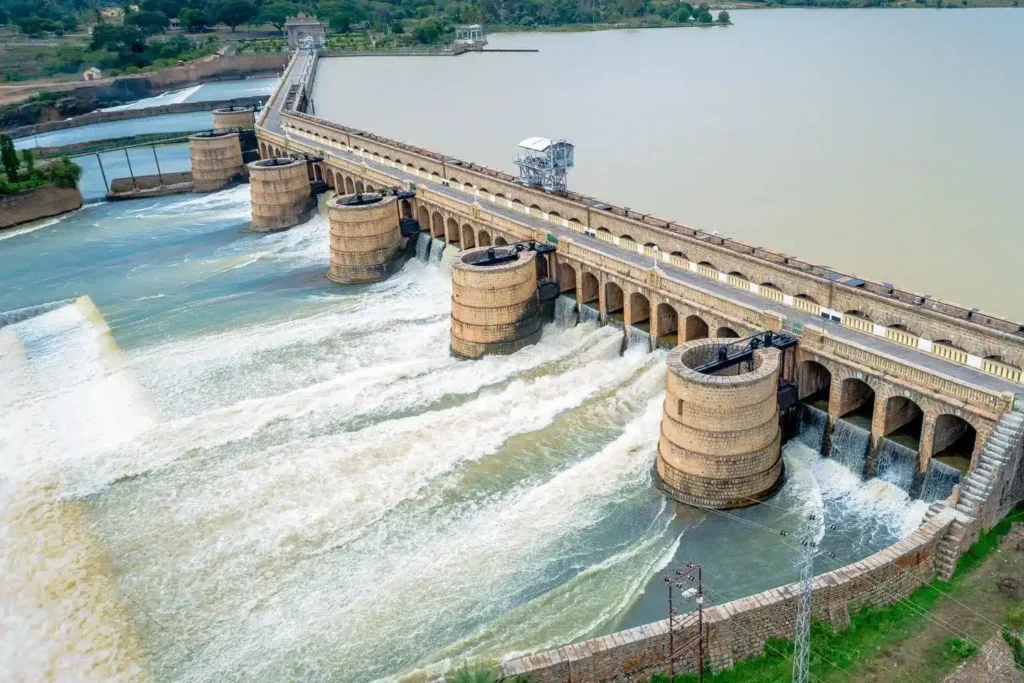
- Engineering Excellence: Dams, flood control structures, and irrigation systems continue to serve millions.
- Institution Building: Industrial units and educational institutes nurture generations of engineers and technicians.
- Public Service Ethos: Combined professional skill with civic responsibility, setting standards for technocratic governance.
- Inspiration for Engineers’ Day: Since 1968, September 15 celebrates engineers’ contributions, reflecting Sir MV’s values of innovation, discipline, and nation-building.
Life Lessons
Sir MV’s career offers enduring lessons that extend beyond technical expertise, guiding engineers, planners, and policymakers:
- Integration of Engineering and Governance – Effective infrastructure planning requires understanding social, economic, and administrative contexts. Visvesvaraya demonstrated that engineering solutions are most impactful when aligned with public policy and governance structures.
- Innovation Within Constraints – Whether designing automatic sluice gates or planning flood protection, he leveraged available technology creatively. Modern engineers can learn to innovate even under resource or site limitations.
- Systematic Planning and Documentation – His projects, from KRS Dam to Mysore industrial units, were characterized by careful planning, feasibility studies, and detailed reporting. Maintaining rigorous documentation ensures efficiency, accountability, and replicability.
- Ethics and Public Welfare – Sir MV emphasized that professional excellence should translate into societal benefit. Engineers today can adopt this principle to prioritize safety, sustainability, and public service in all projects.
- Lifelong Learning and Adaptability – Even after decades in service, he continued studying international practices and adapting them for Indian conditions. Continuous learning remains important in today’s fast-evolving technological landscape.
- Attention to Detail and Discipline – His philosophy that even routine tasks must be executed with excellence is a reminder that quality and diligence define professional reputation.
These lessons underscore that engineering is not just about technical construction—it is about building systems, institutions, and communities that stand the test of time.
Sir M. Visvesvaraya’s life exemplifies the transformative power of engineering. He demonstrated that structured planning, technical innovation, and disciplined execution could reshape society, industry, and governance. On Engineers’ Day 2025, India’s engineering community honors his contributions and recommits to building resilient, sustainable infrastructure. His words continue to resonate, “To give real service, you must add something which cannot be bought or measured with money.”