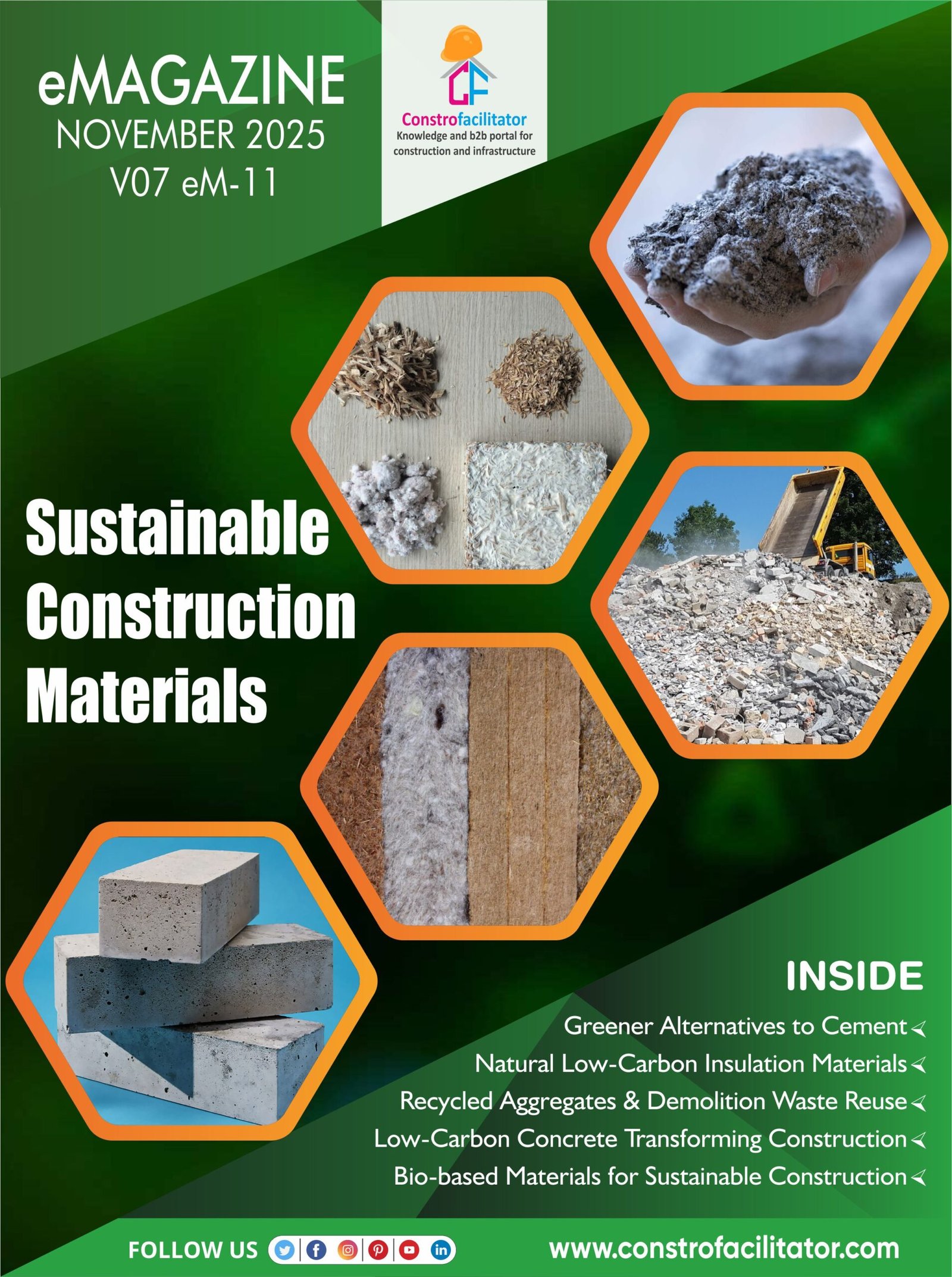
In today’s world, sustainability is no longer just a trend—it has become a necessity. With industries, businesses, and households seeking eco-friendly solutions, the demand for innovative materials that balance efficiency with environmental responsibility has grown significantly. Among these solutions, coconut shell activated carbon has emerged as a powerful contender. Known for its high adsorption capacity, renewability, and unique eco-benefits, this material is reshaping the way we reduce environmental impacts and build a greener future. By investing in premium coconut shell based activated carbon, companies and communities are moving closer to achieving their carbon reduction goals while contributing positively to the planet.
Understanding Coconut Shell Activated Carbon
Activated carbon is a processed form of carbon that is highly porous, enabling it to trap and filter contaminants effectively. When derived from coconut shells, it becomes an even more sustainable and resourceful option. Unlike coal or wood-based carbons, coconut shells are an agricultural by-product, making them renewable and environmentally friendly.
What sets coconut shell activated carbon apart is its microporous structure, which makes it highly effective at capturing small molecules such as volatile organic compounds (VOCs), gases, and heavy metals. This makes it a vital material for industries ranging from water purification to air filtration. By choosing this alternative, businesses not only enhance their operational efficiency but also actively reduce their reliance on fossil-fuel-based carbons.
How Coconut Shell Activated Carbon Reduces Carbon Footprints
Cutting carbon footprints requires solutions that address both direct and indirect emissions. Coconut shell activated carbon achieves this in multiple ways:
- Sustainable Raw Material: Coconut shells are abundantly available in tropical regions and are typically discarded as waste after food production. Repurposing them reduces agricultural waste and provides a renewable source of carbon material.
- Lower Energy Demands: Processing coconut shells into activated carbon requires less energy compared to mining and processing coal. This reduction in energy consumption contributes directly to lower greenhouse gas emissions.
- Enhanced Adsorption Efficiency: The micropores of coconut shell activated carbon trap pollutants more effectively than many alternatives. This translates to cleaner air and water, indirectly reducing environmental damage caused by toxins.
- Carbon Neutrality Potential: Coconut trees absorb carbon dioxide during their lifecycle. By utilising their shells for activated carbon, industries contribute to a more balanced carbon cycle.
Industrial Applications Driving Change
One of the strongest arguments for coconut shell activated carbon lies in its wide array of applications that directly impact sustainability goals. From manufacturing to household use, it is proving to be a versatile solution.
- Water Treatment: It is extensively used in municipal and industrial water filtration systems to remove chlorine, pesticides, and organic impurities. This ensures access to safe drinking water without relying on harmful chemical treatments.
- Air Purification: In urban environments where air pollution is a major concern, coconut shell activated carbon filters play a vital role in removing harmful gases and odours, improving air quality for millions of people.
- Food and Beverage Industry: It is used to refine edible oils, beverages, and sweeteners without altering their natural taste, supporting both quality and safety.
- Energy Storage: Research shows growing potential for coconut shell activated carbon in advanced technologies like supercapacitors, supporting renewable energy adoption and storage solutions.
Each of these applications represents not only an improvement in operational efficiency but also a step toward lowering environmental impact.
The Economic Benefits of Choosing Coconut Shell Activated Carbon
While the environmental impact is a driving factor, the economic benefits of coconut shell activated carbon should not be overlooked. Its high durability and adsorption efficiency mean longer service life, reducing replacement costs. Additionally, industries that adopt eco-friendly practices often benefit from government incentives, tax breaks, and a stronger market reputation.
Consumers today are increasingly aware of sustainability and prefer brands that align with eco-conscious values. Companies adopting coconut shell activated carbon gain a competitive edge by positioning themselves as responsible and future-ready.
A Future-Ready Sustainable Solution
The need for sustainable materials has never been greater. Climate change, rising pollution levels, and stricter environmental regulations are pushing industries to rethink traditional practices. Coconut shell activated carbon stands out as a future-ready solution that not only provides superior performance but also reduces dependency on non-renewable resources.
Its scalability also makes it an ideal choice for the future. As more companies adopt it, the production infrastructure grows, leading to improved efficiency and lower costs. This cycle ensures that the benefits of this material can reach wider markets across industries and households.
Conclusion
The path to cutting carbon footprints lies in innovation, sustainability, and responsibility. Coconut shell activated carbon embodies all three. By utilising a natural by-product, reducing energy consumption, and providing high-efficiency purification, it delivers tangible benefits for both the environment and industries. Investing in this solution is not just a matter of compliance with eco-standards—it is a conscious step toward safeguarding the planet for generations to come.
As businesses and communities continue to seek greener alternatives, coconut shell activated carbon will undoubtedly remain at the forefront, driving a cleaner, healthier, and more sustainable future.