A chemical spill in your facility just sent three workers to the hospital. The investigation reveals improper storage led to container degradation and leakage. What started as a minor oversight just became a $200,000 incident involving medical costs, regulatory fines, and facility cleanup.
Chemical handling incidents like this occur daily across industrial facilities in Singapore and New Zealand. Most result from gaps in storage protocols, inadequate containment systems, or poor transport practices. The good news? These incidents are almost entirely preventable through proper systems and procedures.
This comprehensive guide walks through every critical aspect of chemical handling from storage to transport. Let’s explore how to build a complete safety program that protects your workers, facility, and regulatory standing.
Understanding Chemical Hazards
Chemical hazards fall into distinct categories requiring different handling approaches. Flammable liquids demand ventilated storage away from ignition sources. Corrosive materials need resistant containment to prevent structural damage. Toxic substances require secure storage with strict access controls.
Physical hazards include fire, explosion, and reactivity risks. Health hazards encompass acute toxicity, skin corrosion, respiratory damage, and carcinogenic effects. Environmental hazards threaten water supplies, soil contamination, and ecosystem damage.
Risk assessment identifies which chemicals present the greatest threats based on quantity, concentration, and usage frequency. This analysis guides resource allocation toward the highest-risk materials. Regular reassessment ensures your safety program evolves with changing chemical inventories.
Regulatory Frameworks in Singapore and New Zealand
Singapore’s Workplace Safety and Health Act governs chemical handling with strict enforcement. The Environmental Protection and Management Act adds requirements for hazardous substance storage and disposal. Companies face significant penalties for non-compliance, including operational shutdowns.
New Zealand’s Health and Safety at Work Act establishes employer duties for hazardous substance management. The Hazardous Substances and New Organisms Act creates comprehensive regulations for chemical storage, handling, and transport. Local councils may impose additional requirements through resource consents.
Both jurisdictions require Safety Data Sheets accessible to all workers handling chemicals. Regular training documentation, incident reporting, and safety audits become legal obligations. Understanding applicable regulations prevents costly violations and demonstrates due diligence.
On-Site Chemical Storage Requirements
Proper chemical storage begins with an appropriate infrastructure meeting regulatory standards. Storage areas require adequate ventilation, preventing vapor accumulation. Fire-rated construction contains potential incidents, while automatic suppression systems provide rapid response capability.
Segregation prevents dangerous reactions between incompatible materials. Acids separate from bases, oxidizers are isolated from flammables, and water-reactive substances are stored in moisture-controlled environments. Clear labeling and organized systems prevent accidental mixing.
Temperature control maintains chemical stability, preventing degradation or pressure buildup. Some substances require refrigeration, while others need climate-controlled environments. Monitoring systems alert staff to temperature excursions before problems develop.
Chemical Storage Cabinet Essentials
Specialized chemical storage cabinets provide crucial containment for smaller quantities used in work areas. These cabinets offer fire resistance, ventilation, and spill containment in compact formats. Different cabinet types serve specific chemical classes, ensuring proper storage conditions.
Flammable liquid cabinets feature fire-rated construction, self-closing doors, and proper venting. These protect combustible materials while preventing fire spread. Capacity regulations limit quantities stored in work areas versus dedicated storage rooms.
Corrosive cabinets use acid-resistant materials, preventing structural degradation. Separate compartments isolate incompatible corrosives within single cabinets. Spill containment sumps capture leaks before they escape cabinet boundaries.
Safety cabinets for general hazardous substances provide lockable security to control access. Adjustable shelving accommodates various container sizes while maintaining organization. Proper cabinet selection, placement, and maintenance form essential safety program components.
Container Selection and Maintenance
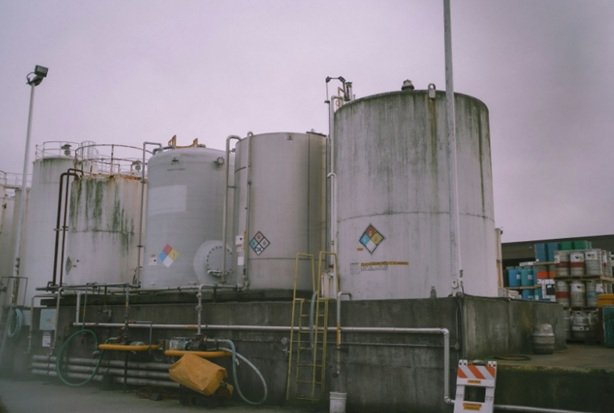
Chemical containers must be compatible with stored substances, preventing degradation. Polyethylene works for many chemicals, but certain solvents require glass or specialized plastics. Metal containers suit some applications but react with acidic or alkaline substances.
Original manufacturer containers typically provide optimal compatibility and labeling. When transferring chemicals, use approved secondary containers with complete hazard labeling. Never use food or beverage containers for chemical storage, regardless of convenience.
Regular container inspections identify corrosion, cracks, or seal failures before leaks occur. Damaged containers require immediate replacement with contents carefully transferred. Keep inspection records demonstrating proactive maintenance programs.
Labeling and Documentation Systems
Every chemical container requires clear, durable labeling identifying contents and hazards. Labels must include chemical name, hazard pictograms, signal words, and precautionary statements. Generic labels like “solvent” or “acid” provide insufficient information during emergencies.
Safety Data Sheets provide detailed information about chemical properties, hazards, and emergency procedures. Maintain current SDS copies accessible to all workers handling chemicals. Digital SDS management systems improve accessibility while ensuring version currency.
Inventory systems track chemical quantities, locations, and ages. This documentation supports regulatory compliance, prevents expired material accumulation, and aids emergency responders. Regular inventory audits verify physical quantities match records.
Spill Prevention and Response
Secondary containment systems capture spills before environmental release. Spill pallets, berms, or dedicated rooms with sealed floors prevent contamination spread. Containment capacity must exceed the stored chemical volumes, accounting for additional water from firefighting operations.
Spill kits positioned near storage areas enable rapid response to minor incidents. Kits should include absorbents, neutralizers, PPE, and disposal bags that are specific to the stored chemicals. Staff training ensures confident, effective spill response.
Emergency procedures document response steps for different spill scenarios. Large spills may require facility evacuation and professional cleanup services. Clear procedures minimize confusion during high-stress incidents when mistakes prove costly.
Personal Protective Equipment Requirements
Chemical handling demands appropriate PPE matching specific hazards. Safety glasses protect against splashes while face shields guard against larger exposures. Chemical-resistant gloves must be compatible with the handled substances, as generic gloves offer inadequate protection.
Respirators become necessary when ventilation cannot adequately control vapor exposures. Proper respirator selection, fit testing, and maintenance programs ensure protection rather than false security. Air-purifying respirators suit many applications, while supplied-air systems protect against higher hazards.
Chemical-resistant clothing, including aprons, suits, or boots, prevents skin contact with hazardous materials. Selection depends on chemical properties and exposure potential. Regular inspection and replacement maintain PPE effectiveness.
Preparing Chemicals for Transport
Transporting chemicals introduces additional risks requiring specialized packaging and documentation. Proper preparation ensures regulatory compliance while protecting handlers and the public. Professional packaging solutions designed for hazardous materials prevent incidents during transit.
Goodpack and similar specialized providers offer engineered packaging solutions meeting international dangerous goods regulations. These systems incorporate proper containment, cushioning, and hazard communication. Professional packaging significantly reduces transport incident risks.
Documentation requirements include dangerous goods declarations, emergency response information, and proper shipping names. Transport classification determines packaging specifications, labeling requirements, and vehicle restrictions. Accurate classification and documentation prevent regulatory violations and ensure appropriate emergency response.
Dangerous Goods Classification
The Globally Harmonized System classifies dangerous goods into nine classes based on primary hazards. Class 1 covers explosives, Class 2 includes gases, and Class 3 encompasses flammable liquids. Each class is subdivided into divisions reflecting different risk levels.
Proper classification requires understanding chemical properties and regulatory definitions. Some chemicals fit multiple classes, requiring the determination of primary versus subsidiary hazards. Misclassification creates serious safety and legal consequences.
Packing groups (I, II, III) indicate danger levels within classes affecting packaging requirements. Packing Group I represents high danger requiring the most robust packaging. Accurate packing group assignment ensures adequate protection during transport.
Packaging Standards and Testing
UN-approved packaging meets rigorous testing standards for chemical transport. These specifications ensure containers withstand transport stresses without failure. Packaging marks include UN codes indicating tested performance levels.
Testing includes drop tests, stack tests, leak-proofness verification, and internal pressure resistance. Different tests apply to various packaging types and contents. Only certified packaging may be used for dangerous goods transport.
Combination packaging systems use inner receptacles within protective outer packaging. This approach provides redundant containment while cushioning protects against impacts. Proper assembly following the manufacturer’s instructions ensures intended protection.
Vehicle Requirements and Loading Procedures
Vehicles transporting dangerous goods require placarding indicating the hazard classes present. Emergency response personnel use this information during incidents. Vehicle compatibility with transported chemicals prevents reactions with cargo areas.
Loading procedures prevent damage during transport through proper securing and segregation. Incompatible chemicals must be separated, preventing a reaction from simultaneous package failure. Load distribution maintains vehicle stability during transport.
Driver training requirements ensure transporters understand cargo hazards and emergency procedures. Specialized licensing may be required for certain quantities or hazard classes. Carrier selection should verify appropriate certifications and safety records.
Emergency Response During Transport
Transport incidents require immediate, appropriate responses, minimizing consequences. Drivers need accessible emergency contact information and basic response procedures. Emergency services require detailed chemical information for effective intervention.
Emergency response plans account for various incident scenarios from minor leaks to major releases. Predetermined response procedures prevent hesitation during critical moments. Regular drills ensure all parties understand their roles.
Incident reporting obligations require notification of authorities and affected parties. Documentation supports investigation and regulatory compliance. Transparent reporting demonstrates commitment to safety and continuous improvement.
Training and Competency Programs

Effective chemical handling requires comprehensive staff training covering hazards, procedures, and emergency response. Initial training introduces concepts while ongoing refreshers maintain competency. Different roles require specialized training reflecting their responsibilities.
Training documentation proves regulatory compliance and protects organizations legally. Records should include topics covered, training dates, and participant signatures. Regular assessments verify understanding rather than mere attendance.
Practical training supplements theoretical knowledge with hands-on experience. Supervised chemical handling allows skill development before independent work. Mock emergency drills test response procedures under realistic conditions.
Building an Integrated Safety Program
Comprehensive chemical safety programs address every stage from procurement through disposal. Written procedures document proper practices while audits verify implementation. Management commitment signals safety priority, encouraging compliance.
Regular safety meetings keep chemical handling top-of-mind while providing feedback channels. Workers often identify risks that management overlooks. Acting on employee input improves programs while building a safety culture.
Continuous improvement processes analyze incidents and near-misses, identifying system weaknesses. Corrective actions address root causes rather than symptoms. This evolution maintains program effectiveness as operations change.
The Bottom Line
Chemical handling safety requires integrated approaches addressing storage, transport, and emergency response. Proper storage cabinets contain on-site risks while professional packaging solutions protect during transport. Neither element alone ensures complete safety; both require attention.
Singapore and New Zealand maintain strict chemical handling regulations protecting workers and the environment. Compliance demands understanding applicable requirements and implementing appropriate systems. Regular audits verify ongoing compliance as regulations evolve.
Investment in proper chemical handling infrastructure and procedures prevents incidents costing far more than the prevention measures. The choice isn’t whether you can afford proper chemical handling; it’s whether you can afford the consequences of inadequate practices. Build comprehensive safety programs protecting your people, facilities, and communities.