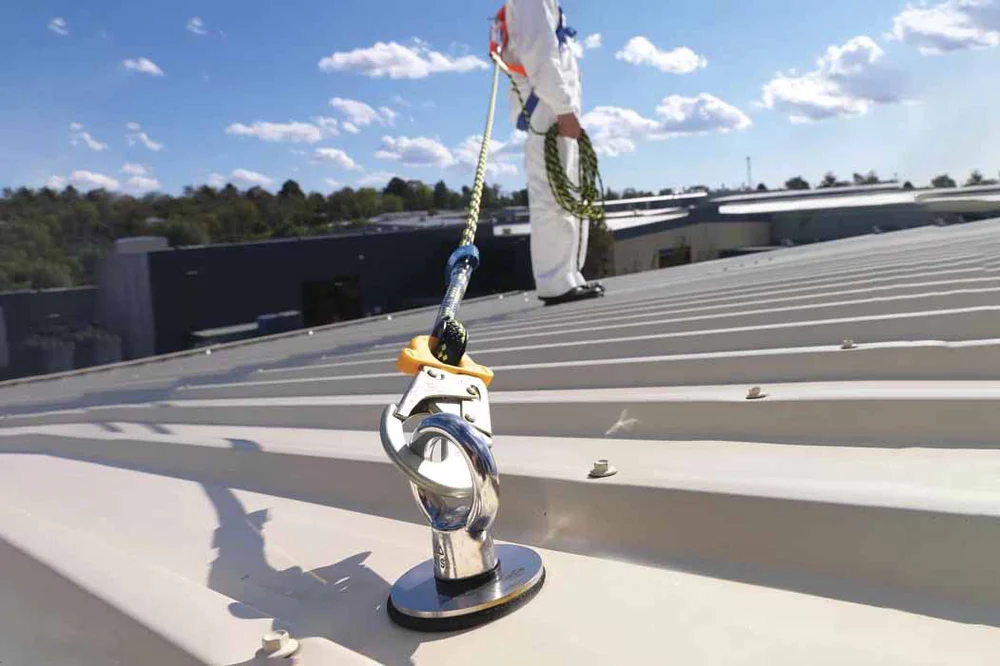
When designing and constructing steel roof trusses, one of the most important, but often overlooked, components is the anchor bolt. Anchor bolts connect the structural steel framework to the foundation or supporting masonry or concrete elements. Inadequate anchorage can lead to structural failures, roof uplift during wind loads, and costly repairs. Selecting the correct anchor bolt ensures structural stability, durability, and long-term performance.
Understanding Anchor Bolts and Their Importance
Anchor bolts are heavy-duty fasteners embedded in concrete or masonry that secure structural members to foundations. For steel roof trusses, anchor bolts:
- Prevent uplift due to wind or seismic loads
- Provide lateral and shear resistance
- Maintain structural integrity under dynamic loads
- Ensure stability of connections between truss columns and base plates
The design of anchor bolts directly affects safety, durability, and performance.
Key Factors in Anchor Bolt Selection
Load Conditions
Anchor bolts must resist different types of forces:
- Vertical loads (compression and tension) from gravity and uplift
- Shear loads caused by lateral wind and seismic forces
- Combined loading conditions that occur in real-world applications
Understanding load magnitude, direction, and combination is essential before selecting bolt diameter, grade, and embedment depth.
Material and Corrosion Resistance
Anchor bolts are typically made from carbon steel or stainless steel. Selection depends on environment:
| Environment | Recommended Material |
| Interior/Protected | Standard Carbon Steel |
| Exterior/Rural | Galvanized Carbon Steel |
| Coastal/Marine | Stainless Steel |
| Industrial/Corrosive | Specialty Alloys |
Corrosion protection options include:
- Hot-dip galvanizing
- Epoxy coatings
- Stainless steel variants
Corrosion reduces bolt capacity and leads to premature failure—especially in coastal or industrial environments.
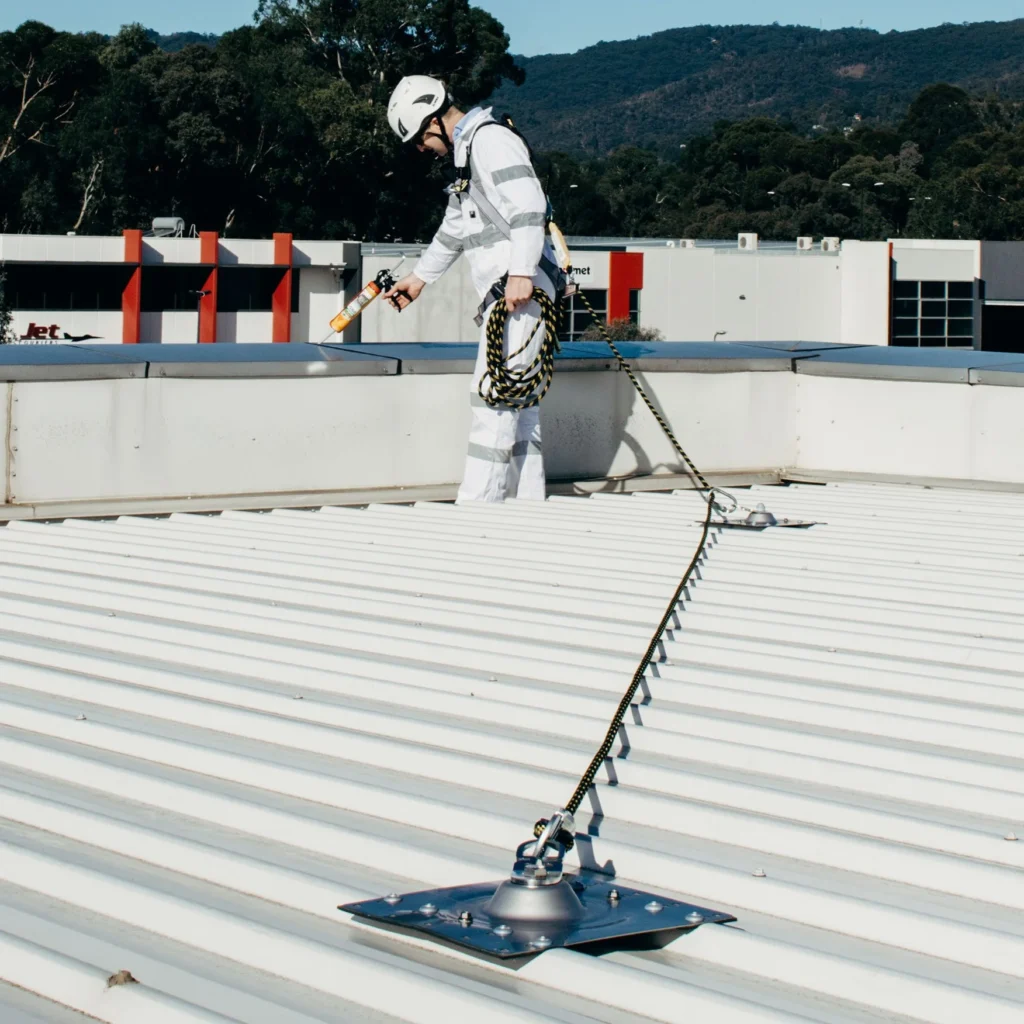
Types of Anchor Bolts for Steel Roof Trusses
Cast-in-Place Anchor Bolts
- Installed before concrete placement
- Embedded while concrete is poured and cured
- Provide strong bonding and high load capacity
Common forms include:
- L-shaped anchor bolts
- J-bolts
- Straight rods with anchor plates
Advantages:
- Excellent uplift resistance
- Reliable long-term performance
- Ideal for heavy truss systems and primary columns
Mechanically Installed (Post-Installed) Anchors
- Installed after concrete has hardened
- Require drilled holes
Types include:
- Mechanical expansion anchors (wedge anchors, sleeve anchors)
- Chemical or adhesive anchors (epoxy-based systems)
Advantages:
- Flexible positioning
- Suitable for retrofits
- Useful when anchor locations change after slab casting
Undercut and Torque-Controlled Anchors
- Designed for high-performance applications
- Provide enhanced load reliability
Features include:
- Undercut mechanism that locks into concrete
- Controlled torque systems for consistent expansion
Often used in high-wind or seismic zones where safety margins must be maximized.
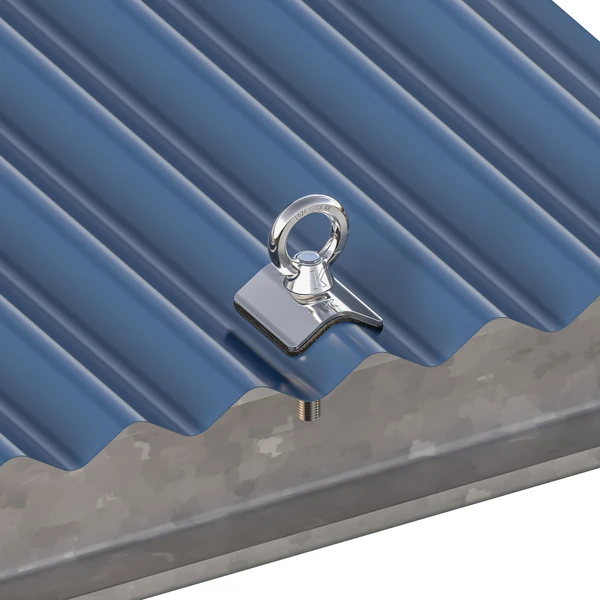
Design Considerations
Structural Load Evaluation
- Calculate maximum uplift forces
- Determine shear demand
- Evaluate combined load scenarios
- Apply appropriate safety factors
Design should comply with recognized standards such as:
- AISC
- ACI 318
- ASCE 07
- Eurocode
Embedment Depth
- Embedment depth directly influences pullout resistance
- Greater embedment generally increases tensile capacity
- Typical embedment ranges between 8 to 15 times bolt diameter
Shallow embedment may cause premature failure under uplift.
Edge Distance and Spacing
Proper spacing prevents concrete cracking and breakout failures.
- Maintain minimum edge distance
- Ensure adequate spacing between adjacent bolts
- Follow code-prescribed minimums
Improper placement can significantly reduce load capacity.
Base Plate and Connection Design
- Base plate thickness must support load transfer
- Bolt holes should allow for installation tolerances
- Welding details must prevent stress concentrations
- Plate bearing on concrete must be verified
The anchor bolt system must function together with base plate design.
Corrosion Protection and Durability
In exposed environments, additional protective measures are critical.
- Hot-dip galvanizing provides zinc protection
- Stainless steel ensures superior resistance in marine conditions
- Epoxy-coated anchors resist chemical attack
Long-term durability reduces structural maintenance costs and enhances safety.
Installation Best Practices
Cast-in-Place Installation
- Use templates to maintain bolt alignment
- Verify verticality before concrete curing
- Ensure required embedment depth
- Protect threads from concrete contamination
Misalignment can delay construction and weaken connections.
Post-Installed Anchor Installation
- Drill holes to specified diameter and depth
- Remove dust and debris thoroughly
- Insert adhesive correctly for chemical anchors
- Allow full curing time before loading
- Apply correct torque for mechanical anchors
Improper cleaning or torqueing significantly reduces capacity.
Torque Verification
- Use calibrated torque wrenches
- Avoid over-tightening, which may crack concrete
- Avoid under-tightening, which reduces clamping force
Torque consistency ensures predictable anchor performance.
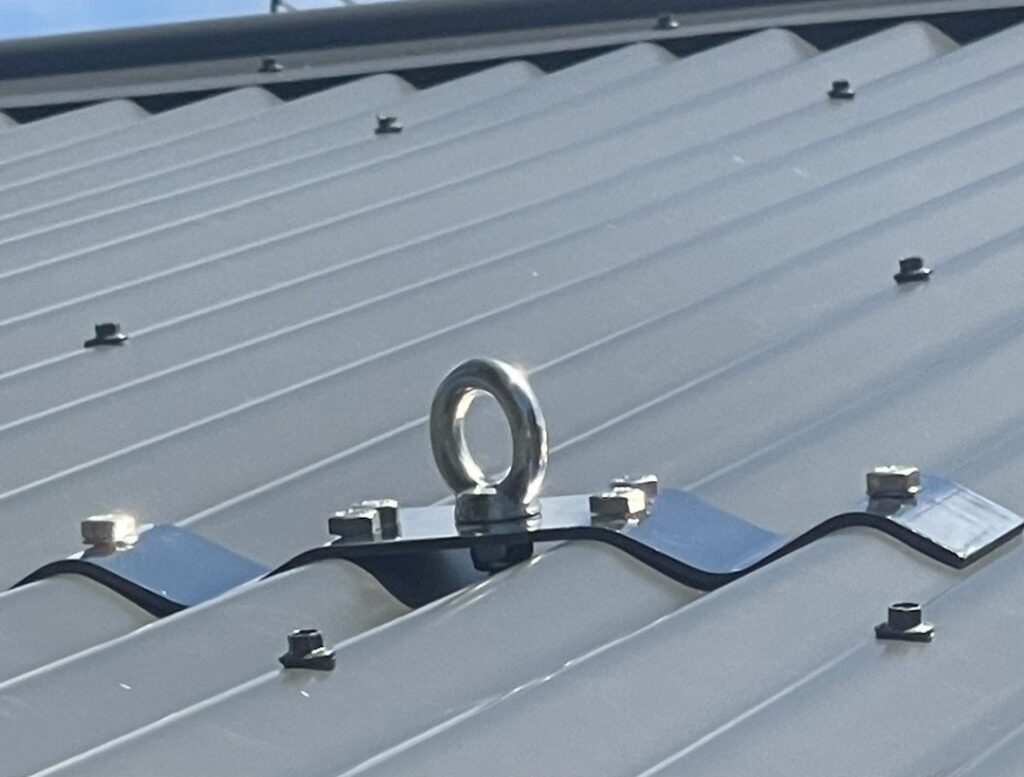
Testing and Inspection
- Conduct proof load testing on selected anchors
- Inspect alignment and embedment
- Check for corrosion or coating damage
- Look for cracks around anchor locations
Routine inspection strengthens quality assurance.
Common Mistakes to Avoid
- Improper bolt spacing that weakens concrete
- Underestimating uplift from wind loads
- Selecting inappropriate materials for environmental conditions
- Installing anchors without proper hole cleaning
- Ignoring manufacturer torque specifications
Avoiding these errors ensures structural safety and long-term performance.
Practical Application Examples
Industrial Warehouse with High Wind Exposure
- Requires high tensile capacity
- Cast-in-place anchor bolts recommended
- Stainless or galvanized steel for exterior durability
- Verified embedment and proof testing
Retrofit of Existing Structure
- Concrete slab already cast
- Use chemical or expansion anchors
- Strict drilling and cleaning procedures required
- Verify load capacity before full loading
Conclusion
Anchor bolts may appear small compared to steel roof trusses, but their structural role is important. They transfer loads, resist uplift, and secure the truss system to the foundation. Proper selection depends on load analysis, environmental conditions, embedment depth, spacing, material choice, and installation quality. Careful attention to anchor bolt design and execution ensures structural resilience, reduces maintenance, and provides long-term performance for steel roof truss systems.