Winter doesn’t have to confine you indoors. If you’re shopping for a compact ebike that handles cold weather, you’ve hit a crossroads: fat tires versus standard ones? This choice affects portability, snow performance, and whether you’ll confidently ride through unexpected blizzards. Let’s cut through the marketing fluff and examine what actually matters for winter cycling.
What Makes Foldable Ebikes Work in Winter?
Cold-weather cycling has transformed dramatically. Compact electric models now dominate where traditional bikes once struggled, and the folding feature solves problems you didn’t know you had.
The Folding Advantage Nobody Talks About
Here’s something most people overlook: battery survival. Freezing temperatures destroy battery performance, so bringing your foldable electric bike inside keeps the battery above 40°F between rides. That alone extends battery lifespan by months.
But there’s more. When sidewalks turn into ice rinks, you fold the bike and board the bus without wrestling a full-size frame. Multi-modal commuting becomes realistic instead of theoretical. Storage? Snow eats parking spaces, yet a folded ebike occupies less floor space than your winter coat collection. Urban riders figured this out fast, sales spiked over the past year for exactly this reason.
Winter Performance: What Actually Matters
Your frame must survive salt, slush, and wild temperature swings. Look for IP54 minimum ratings protecting electrical components from moisture intrusion. Motor power separates toys from tools; you’ll need 500W minimum for fat tire electric bike configurations pushing through accumulation, while 350W handles standard tire ebike models on cleared routes.
Weight becomes critical when you’re hauling your bike up slippery stairs after work. Battery capacity above 48V compensates for cold-weather drain that slashes range by 30%. These aren’t optional features; they’re survival requirements.
Now let’s explore how fat tire electric bikes handle winter’s worst conditions and whether they’re worth the compromises.
Fat Tires: Built for Winter Chaos
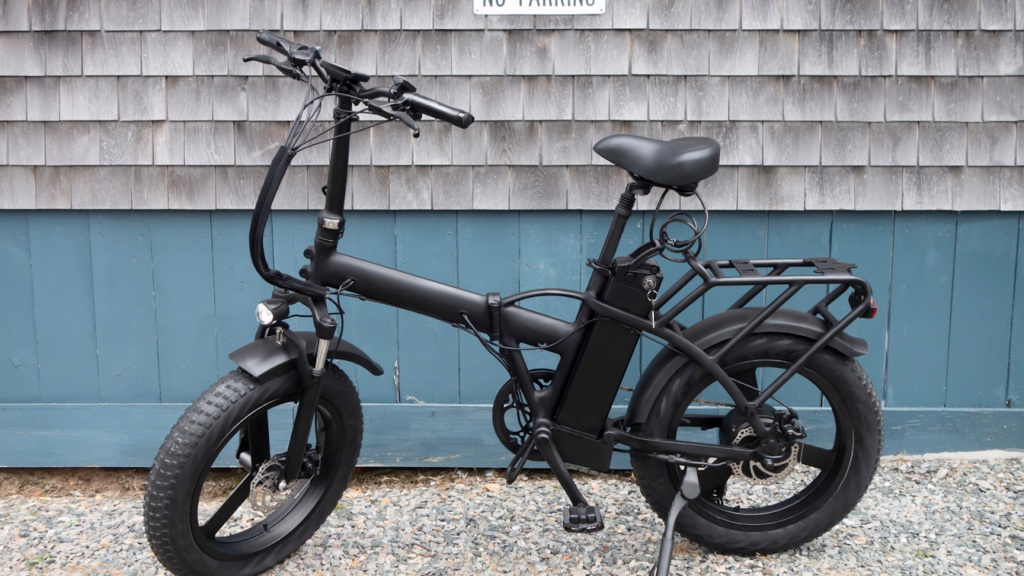
Those oversized wheels aren’t just cosmetic. There’s legitimate engineering behind why they work when everything else fails.
Size Specifications That Change Everything
Fat tires are significantly wider and larger in diameter than regular bike tires. That added width creates a much larger contact patch, distributing your weight across the snow rather than slicing through it.
Pressure adjustments matter enormously in winter riding. Lower pressures improve flotation in soft conditions, while slightly higher pressures work better on packed snow. Tread patterns are often overrated; moderate tread handles most winter conditions effectively. Aggressive knobs can help on ice, but tire width and proper pressure adjustments deliver much bigger performance gains. The best tires for winter e-bike use rely on rubber compounds that remain flexible well below freezing.
Where Fat Tires Absolutely Dominate
Six inches of fresh snow? You’ll plow through while standard tires spin uselessly. Ice navigation improves dramatically because lower PSI increases surface contact. Winter beach riding becomes possible. Mixed terrain, frozen mud, sand, slush won’t stop you. You’re essentially buying a four-season bike that excels in winter.
The Compromises Nobody Warns You About
Reality check: fat tire electric bikes are noticeably heavier than regular tire models. That extra weight can make stairs challenging and trunk loading awkward. The range is typically reduced compared to standard tires due to increased rolling resistance.
Folded dimensions are larger, which can limit compatibility with compact car trunks. Upfront costs are generally higher as well. On clear pavement, fat tire e-bikes tend to feel slower and less nimble than their standard-tire counterparts. These limitations raise an important question: could a standard-tire foldable electric bike offer a better balance for your specific winter riding needs?
Standard Tires: Optimized for Different Conditions
Standard tires aren’t weak; they’re engineered for maintained roads. If most winter riding happens on plowed streets, they might actually be smarter.
Winter-Ready Standard Tire Specs
The sweet spot runs 2.0″ to 3.0″ wide. Aggressive tread patterns channel slush and grip packed snow effectively. Studded options transform these bikes for ice, metal carbide studs embedded in rubber that bite frozen surfaces. They’re noisy on dry pavement but dramatically safer on ice. Run 20-25 PSI for traction, though not as low as fat tires.
Where They Genuinely Excel
Urban commuting on plowed infrastructure is their domain. Lighter weight (45-55 lbs average) means carrying them upstairs won’t destroy your back. Energy efficiency jumps 30-40% versus fat tires, extending range significantly. On dry winter pavement, handling feels responsive and quick; you’re not fighting resistance.
Mixed conditions work well: clear mornings, light snow evenings, salted bike lanes. Weight savings make multi-modal commuting genuinely practical rather than aspirational.
The Winter Limitations You’ll Hit
Fresh snow beyond 2-3 inches becomes hazardous territory. You’ll lose traction and potentially crash. Ice without studs is dangerous, period. Powder conditions mean walking, not riding. Deep slush conceals ice underneath, creating surprise wipeouts. When conditions deteriorate, you’re better off leaving your bike at home, something fat tire riders rarely face.
Making Your Choice: A Practical Framework
Let’s consolidate this into a decision-making process that leads you to the right choice.
Assessment Questions That Matter
What’s your primary terrain? Daily city commuting on maintained roads points toward standard tires. Trail riding or rural routes demand fat tires. How often will you carry your bike? Multiple flights of stairs favor lighter standard options. Where’s storage? Tight spaces work better with smaller standard tires.
Budget considerations? Fat tire models cost more but deliver versatility. Winter severity? Brutal conditions with frequent deep snow require fat tires.
Choose Fat Tires When You’re…
Riding unplowed trails regularly. Needing all-terrain capability beyond just winter. Facing consistently deep snow (4+ inches). Wanting a load capacity up to 400 lbs. Prioritizing adventure over efficiency. Fat tires deliver confidence in variable conditions where you’re never certain what you’ll encounter.
Choose Standard Tires When You’re…
Commuting primarily on cleared urban infrastructure. Needing maximum portability for apartments or public transit. Prioritizing efficiency and range. Riding mostly in light winter conditions. Wanting lower upfront and maintenance costs. They’re practical for most city dwellers facing occasional winter weather.
Your Next Move
Your ideal winter electric bike depends entirely on where and how you’ll actually ride. Fat tires deliver confidence in extreme conditions but sacrifice portability and efficiency. Standard tires offer practicality for urban riders facing occasional snow.
Here’s the truth: don’t overthink this decision. Test ride both configurations if possible, because real-world feel trumps specifications every time. Most riders find their choice becomes obvious once they honestly assess typical winter routes. Whichever you choose, winter cycling beats indoor trainers, every single time.
Common Winter Ebike Questions Answered
1. Can you swap standard tires for fat tires on a foldable e-bike?
Most frames aren’t compatible, fat tires require wider fork spacing, and different geometry. Conversion costs $300-500 and may compromise structural integrity. Better to buy correctly initially.
2. How much does tire choice affect winter battery range?
Fat tires reduce range 20-30% due to increased rolling resistance and weight. At 20°F, standard tires might deliver 40 miles while fat tires drop to 28-32 miles with identical batteries.
3. Do I need studded tires for winter riding?
Not always. Fat tires handle most conditions without studs. Standard tires benefit significantly from studs on ice. If your commute includes frequent icy patches, studded tires justify the $80-150 investment.