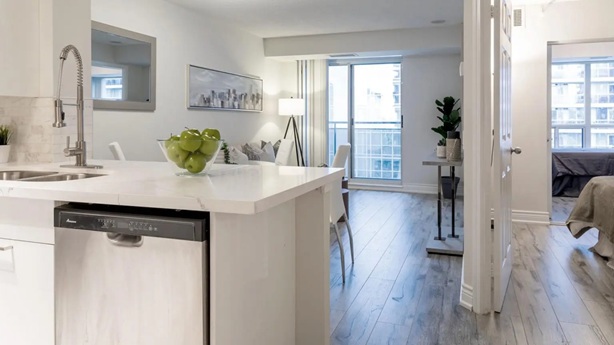
Remodelling a condo in Toronto can be one of the most rewarding projects for homeowners looking to personalize their space or increase property value. However, not all renovation journeys are smooth sailing. Between tight building regulations, space limitations, and finding trustworthy contractors, there are several pitfalls that can turn an exciting upgrade into a costly headache. This article explores the most common mistakes condo owners make when hiring professionals—and how you can avoid them.
If you’re already exploring options, make sure you’re working with experienced providers of Toronto condo remodeling services who understand the unique challenges of renovating in vertical communities.
1. Not Understanding Condo Board Rules
One of the first missteps many homeowners make is neglecting to review their condominium corporation’s renovation policies. Every condo board has specific rules regarding what kind of work is allowed, hours of operation, materials, elevator use, and contractor access. Failing to comply can result in fines, work stoppages, or mandatory rework.
Before hiring a contractor, obtain the renovation guidelines from your property management office. Ensure your chosen professional is comfortable working within those parameters and has experience navigating condo-specific rules.
2. Choosing Price Over Proven Quality
It’s tempting to go with the lowest quote—especially in a city like Toronto, where living costs are already high. But the cheapest contractor isn’t always the best choice. A low bid may reflect shortcuts, unlicensed labour, or the use of inferior materials.
Instead, focus on value over price. Look for contractors who provide detailed estimates, warranties, references, and proof of insurance. Check reviews on platforms like HomeStars or TrustedPros to gauge their track record. Remember, quality craftsmanship pays off in the long run.
3. Overlooking Permits and Paperwork
Some condo renovations require municipal permits—especially if plumbing, electrical, or structural elements are involved. A reputable contractor will help you determine what’s needed and handle the paperwork on your behalf.
Skipping this step could mean fines, insurance issues, or problems when you sell your unit. Always verify that your contractor will obtain the proper permits and that you’ll receive copies for your records.
4. Ignoring Layout Limitations
Condos have fixed layouts dictated by shared plumbing stacks, HVAC systems, and load-bearing walls. Many homeowners make the mistake of assuming they can move anything anywhere. In reality, relocating a bathroom or kitchen sink could be infeasible—or extremely costly.
Choose a contractor who specializes in condo renovations and knows how to work around these constraints creatively. Sometimes, subtle layout adjustments or material swaps can achieve the desired effect without violating structural limits.
5. Failing to Vet Subcontractors
Even if the general contractor has a great reputation, the quality of the project will often depend on the tradespeople they hire. Ask for a list of subcontractors and how long they’ve been working with the team.
Do they use licensed electricians and plumbers? Are background checks conducted? Poor workmanship by subcontractors is one of the most common causes of delays, budget overruns, and safety issues.
6. Skipping a Clear Contract
A handshake and a smile won’t protect you if things go wrong. Yet many homeowners start major renovation projects with little more than a vague email thread or verbal agreement.
Always insist on a written contract that includes the project scope, payment schedule, estimated timeline, responsibilities, and dispute resolution terms. Don’t proceed until all expectations are clearly documented and signed by both parties.
7. Underestimating Timeline Disruptions
Condo renovations can take longer than anticipated due to building restrictions, waiting on condo board approvals, or limited elevator access for materials. Unrealistic timelines often lead to disappointment or rushed, sloppy work.
During initial consultations, ask for a project plan that includes time buffers. Understand what can delay the schedule and how the contractor communicates progress or changes. Flexibility paired with transparent communication is key to a smoother renovation experience.
8. Not Planning for Living Arrangements
Depending on the scale of the renovation, it may be difficult or even unsafe to live in your condo during construction. Many owners fail to plan alternate accommodations, thinking they can “make it work” in a dusty, noisy environment.
If plumbing or HVAC systems will be affected, consider staying elsewhere. Confirm whether your contractor will help with logistics, such as protecting furniture, sealing off work zones, or scheduling work in phases to reduce disruption.
9. Forgetting About Soundproofing
With neighbours above, below, and on either side, noise is a major concern in condo living. Renovations involving flooring, walls, or ceilings should factor in acoustic insulation—but many contractors skip this unless it’s specifically requested.
Whether you’re replacing floors or adding drywall, consider soundproofing upgrades that enhance comfort and reduce complaints from neighbours. It’s a small investment that pays off in long-term livability.
10. Missing the Final Walkthrough
Once the work is “done,” don’t rush to make the final payment. Schedule a detailed walkthrough with your contractor to inspect every element of the remodel. Make a punch list of any deficiencies, unfinished details, or issues that need fixing.
Only release the final payment once all items have been addressed. A professional contractor will stand behind their work and ensure you’re fully satisfied before closing out the project.
While renovating a condo in Toronto comes with its fair share of red tape and complexity, the outcome can be well worth the effort—if you avoid the common pitfalls that derail many homeowners. Being diligent, asking the right questions, and partnering with trusted Toronto condo remodeling services will set the stage for a successful transformation that aligns with your lifestyle and adds long-term value to your home.