Construction sites generate unique logistical challenges. Between managing heavy equipment, protecting sensitive materials, and coordinating deliveries across multiple locations, project managers need reliable solutions that won’t break the budget.
Wooden shipping crates have emerged as one of the most versatile tools in construction logistics, though many professionals still underestimate their potential beyond basic storage. Here’s why and how this works.
Why Wood Crates Work for Construction Projects
The construction industry has specific demands that generic packaging simply can’t meet. You’re dealing with irregularly shaped items, extreme weight variations, and materials that need protection from both impact and environmental factors. Wood shipping crates handle these challenges better than most alternatives because they offer structural strength without excessive cost.
Unlike corrugated fiberboard or standard cardboard boxes, wooden crates provide the weight capacity needed for industrial machinery and heavy duty shipping requirements. They’re repairable on-site, which is something you can’t say for most modern packaging materials. A damaged slat can be replaced with basic tools, keeping your project moving instead of waiting for replacement containers.
The real advantage shows up in customization. High-quality wooden shipping crates can be built to exact specifications, accommodating everything from automotive parts to aerospace components with awkward dimensions. This flexibility matters when you’re shipping items that don’t conform to standard sizes, which describes most construction equipment and materials.
Understanding Your Crate Options
Not all wood crates are created equal, and knowing the differences saves both time and money. Standard wood crates work well for general construction materials and tools that don’t require special handling. They’re economical and readily available, making them ideal for routine shipments between job sites.
For projects involving international shipments, ISPM 15 compliance becomes non-negotiable. These regulations require heat-treated crates to prevent pest transmission across borders. The certification process adds minimal cost but avoids significant delays at customs. Many suppliers offer IPPC certification as standard, though it’s worth confirming before placing orders for international shipping needs.
Heavy duty wood crates incorporate reinforced wood construction and internal bracing devices for items that push weight limits. These work particularly well for industrial wood crates applications where you’re moving equipment that would crush lighter packaging. The additional corner support and edge strapping distribute weight more effectively than standard designs.
Collapsible wood crates deserve special mention for construction logistics. They reduce return freight costs significantly since empty crates take up minimal space. Several companies I’ve worked with have cut their freight costs by nearly 40% simply by switching to collapsible designs for equipment that ships back and forth between locations.
Practical Applications on Construction Sites
Warehouse storage becomes more efficient with proper crate selection. Stackable designs maximize vertical space, which matters considerably in crowded staging areas. Look for crates with adequate stacking strength—cheap construction fails here, creating safety hazards and damaged materials.
Custom wood crates solve problems that generic packaging creates. When you’re shipping sensitive equipment like surveying instruments or electronic control systems, custom compartments prevent movement during transport. Foam linings add shock absorption without adding excessive bulk or weight.
On-site crating makes sense for larger projects with specialized needs. Some items are easier to crate where they sit rather than transporting them uncrated to a packaging facility. This approach works especially well for modular structures or equipment that’s been customized on-site.
Pallet jacks and standard material handling equipment work seamlessly with properly designed wood crates. This compatibility matters more than most people realize—packaging that requires special handling equipment slows down operations and increases labor costs.
Getting the Most From Your Investment
Custom size options might seem expensive initially, but they prevent the hidden costs of oversized packaging. Freight carriers charge by dimensional weight, meaning empty space inside your crate costs money on every shipment. A well-fitted crate pays for itself within a few uses through reduced freight costs alone.
Recycled wood crates offer a middle ground between cost and performance for less demanding applications. They’re perfectly suitable for internal transfers between job sites or temporary storage needs. Save your budget for custom wooden cargo crates when the application truly demands it.
Military equipment standards provide a useful benchmark even for civilian construction projects. If a crate design meets military specifications, it will handle most construction site abuse. These standards emphasize durability and repairability, which is exactly what construction logistics requires.
Maintenance and Longevity Considerations
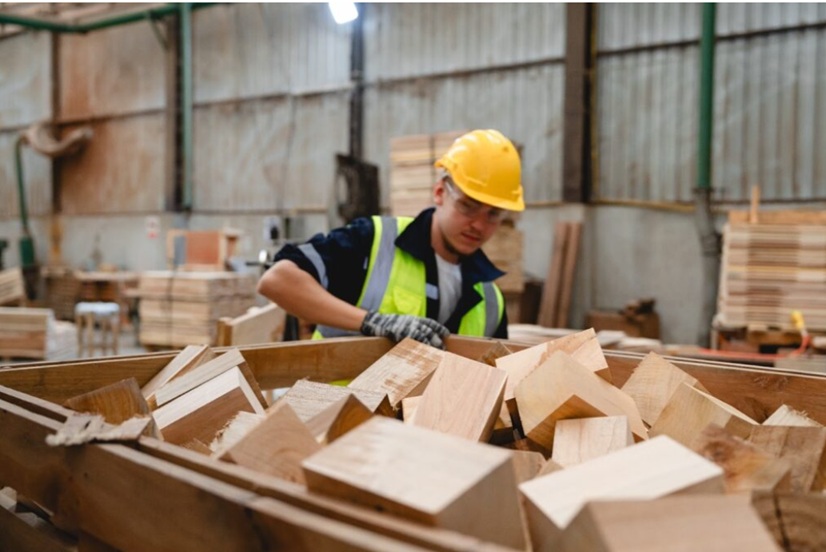
Wood crates last considerably longer than most people expect, assuming basic maintenance. Keep them dry when stored, check fasteners regularly, and replace damaged components before they compromise structural integrity. A little attention extends service life significantly.
Bulk wooden crates make economic sense for companies running multiple projects simultaneously. Buying in volume reduces per-unit costs while ensuring consistent quality across your packaging inventory. Work with suppliers who understand construction timelines because rush orders shouldn’t require premium pricing when you establish regular purchasing relationships.
The transition from disposable to reusable packaging thinking represents a shift many construction companies need to make when it comes to sustainable construction. Wooden shipping are they’re reusable assets that reduce per-project costs when managed properly. Track them, maintain them, and design logistics around their return and reuse.
Making Smart Sourcing Decisions
Construction projects succeed through attention to seemingly minor logistics details. Wooden shipping crates represent one of those details that, when handled properly, eliminate problems before they start. Whether you’re moving materials across town or coordinating international shipments, the right crating approach protects your investment and keeps projects on schedule.