
Infrastructure projects are being transformed by artificial intelligence, yet safety incidents continue to plague construction sites and roadwork zones. While traditional monitoring systems capture vast amounts of data through cameras, sensors, and telematics, this information often remains siloed and difficult to interpret during critical moments. A conversational AI interface can bridge this gap, creating an intelligent safety layer that speaks the language of field teams while connecting seamlessly to existing monitoring infrastructure.
The Safety Gap: Why Incidents Still Happen
Despite decades of safety improvements, infrastructure projects still experience preventable incidents that result in injuries, project delays, and regulatory scrutiny. The root causes haven’t been eliminated by current approaches because data fragmentation continues to undermine rapid response capabilities.
CCTV systems capture footage that requires manual review. IoT wearables generate alerts that may be dismissed or overlooked during busy periods. Weather stations provide forecasts, but translation of this data into actionable safety decisions is left to individual supervisors. Scheduling systems track worker assignments, yet coordination with real-time hazard conditions remains largely manual.
Night work amplifies these challenges significantly. Reduced visibility, fatigue, and smaller crew sizes create conditions where traditional safety protocols are stressed beyond their designed capacity. Multiple contractors operating under different safety cultures add another layer of complexity, as reporting standards and escalation procedures vary across teams.
The result is a reactive safety posture where incidents are investigated after they occur rather than being prevented through proactive intervention. This pattern persists because the available data isn’t being processed quickly enough to support real-time decision-making.
What an AI Chat Interface Adds to the Control Room
A conversational AI layer transforms disconnected monitoring systems into an integrated safety nervous system that can be queried, monitored, and controlled through natural language interactions. Rather than requiring operators to navigate multiple dashboards and interpret raw sensor feeds, the chat interface synthesizes information from computer vision systems, IoT devices, weather feeds, and scheduling tools into actionable insights.
The power of modern ai tools lies in their ability to process multiple data streams simultaneously while maintaining context about ongoing operations, regulatory requirements, and site-specific hazards. Edge-deployed computer vision models continuously monitor for PPE compliance, zone intrusions, and fall hazards, while the chat layer provides supervisors with immediate access to this intelligence through simple conversational queries.
Real-time alerting becomes more nuanced when filtered through AI that understands the difference between routine activities and genuine safety concerns. False positive rates are reduced because the system can correlate multiple signals before escalating issues to human operators. Policy questions can be answered instantly, drawing from comprehensive knowledge bases that include regulatory requirements, company procedures, and site-specific protocols.
Automatic near-miss capture ensures that potential incidents are documented even when human observers are focused elsewhere. Toolbox talk summaries are generated automatically, creating consistent documentation across shifts and contractors. Escalation workflows can be triggered based on severity thresholds, ensuring that critical incidents receive appropriate attention without overwhelming supervisors with routine matters.
Multilingual support addresses the reality of diverse construction crews, enabling safety communication across language barriers that have historically complicated emergency response. The human-in-the-loop architecture ensures that supervisors retain ultimate authority over safety decisions while benefiting from AI-enhanced situational awareness.
Implementation Blueprint
Successfully deploying AI chat interfaces for infrastructure safety requires a structured approach that builds capability incrementally while minimizing disruption to ongoing operations.
- Discovery phase involves mapping existing monitoring infrastructure, identifying data sources, and documenting current safety workflows to understand integration requirements and change management needs.
- Data integration establishes connections between CCTV systems, IoT sensors, telematics platforms, and scheduling tools through standardized APIs or message bus architectures that enable real-time information flow.
- Pilot deployment on a single, contained project site allows for testing core functionality, refining alert thresholds, and gathering feedback from field teams before broader implementation.
- Governance framework development addresses data retention policies, privacy controls, escalation procedures, and audit requirements to ensure compliance with regulatory and contractual obligations.
- Phased rollout expands the system to additional sites based on pilot results, incorporating lessons learned and adapting configurations to site-specific requirements and risk profiles.
- Training program implementation ensures that supervisors, safety managers, and field teams understand how to interact with the chat interface effectively and interpret AI-generated insights appropriately.
- Continuous improvement processes capture performance metrics, user feedback, and incident analysis to refine algorithms, update knowledge bases, and enhance overall system effectiveness over time.
Field-Tested Use Cases on Roads and Construction Sites
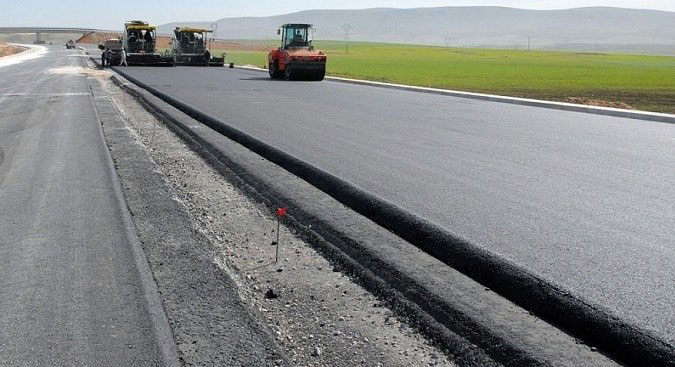
Roadwork traffic management represents one of the most immediate applications for AI chat monitoring. Lane closure configurations can be verified automatically through computer vision analysis of cone patterns and signage placement. When deviations are detected, supervisors receive instant notifications with visual evidence, enabling rapid correction before traffic flow is compromised or worker safety is jeopardized.
Heavy plant movement creates complex blind-spot hazards that traditional spotting procedures may not fully address. GPT AI Chat systems can monitor equipment paths in real-time, alerting operators and ground personnel when pedestrian-vehicle conflicts are predicted based on current trajectories and site geometry.
Excavation work benefits from automated exclusion-zone monitoring that doesn’t rely solely on physical barriers. Geofencing technology combined with wearable sensors can trigger immediate alerts when unauthorized personnel approach active digging operations, even when visual line-of-sight is obstructed.
Working-at-height scenarios are enhanced through continuous fall-protection verification. Computer vision systems can detect missing or improperly configured safety equipment, while the chat interface enables workers to request permit verification or report equipment concerns through simple voice or text interactions.
Heat stress management becomes more sophisticated when weather data is combined with work schedules and biometric monitoring. The AI can recommend modified shift patterns or additional rest periods based on predicted conditions and crew assignments, helping prevent heat-related incidents before symptoms appear.
Permit-to-work processes are streamlined through chat-based verification that confirms safety requirements have been met before authorizing high-risk activities. This reduces administrative burden while maintaining documentary evidence for audit purposes.
Governance, Privacy, and Trust in High-Risk Environments
False positive and negative rates require careful calibration to maintain operator confidence while ensuring genuine hazards aren’t missed. Threshold settings must be adjusted based on site conditions, activity types, and historical incident patterns to achieve optimal performance.
Privacy protection is implemented through face blurring algorithms and on-device processing that minimizes the transmission of personally identifiable information. Data retention policies ensure that surveillance footage and personal data are handled in compliance with applicable privacy regulations and union agreements.
Bias mitigation addresses the risk that AI systems may perform inconsistently across different demographic groups or work cultures. Regular algorithm auditing and diverse training datasets help ensure equitable treatment of all personnel.
Change management considerations acknowledge that introducing AI monitoring may create resistance among workers who view it as surveillance rather than safety enhancement. Transparent communication about system capabilities, limitations, and data handling practices is essential for building trust and encouraging adoption.
Union consultation ensures that worker representatives have input into system design, deployment, and ongoing operation. Collaborative approaches that emphasize safety benefits rather than productivity monitoring tend to generate more positive reception from organized labor.
Escalation transparency maintains clear chains of command while documenting decision-making processes for regulatory compliance. When AI systems recommend stop-work orders or other interventions, the rationale and supporting evidence must be clearly documented and readily accessible for review.
Measuring What Matters
Effective measurement of AI-enhanced safety programs requires metrics that capture both leading and lagging indicators of performance improvement:
- Mean time to detection (MTTD) and mean time to response (MTTR) for safety hazards, measuring how quickly risks are identified and addressed compared to baseline manual processes
- Near-miss reporting rate increases, indicating improved hazard recognition and documentation that supports proactive risk management
- High-risk exposure time reduction, quantifying decreases in the duration workers spend in dangerous conditions through better coordination and planning
- Stop-work authority activation frequency, tracking appropriate use of intervention powers when serious hazards are identified
- Safety training completion velocity, measuring accelerated compliance with mandatory training requirements through AI-assisted scheduling and tracking
- Cost avoidance from incident reduction, calculating the financial impact of prevented injuries, equipment damage, and project delays
- Insurance premium adjustments reflecting improved loss experience and risk management practices demonstrated through comprehensive safety data
Start Small, Prove Value, Then Scale
The path forward begins with selecting a single, well-defined project that offers clear success criteria and manageable complexity. Highway maintenance operations or bridge construction projects often provide ideal proving grounds because they involve multiple safety disciplines, diverse contractor relationships, and well-established baseline metrics.
Success should be measured against specific, time-bounded objectives such as reducing response times to safety alerts by 50% within six months or achieving 95% accuracy in automated PPE compliance detection. These concrete targets provide clear benchmarks for evaluating system performance and building confidence among stakeholders.
Scaling decisions should be based on demonstrated ROI and user adoption rather than technical capability alone. Organizations that achieve measurable safety improvements and positive user feedback in pilot deployments will be well-positioned to expand their AI chat implementations across broader infrastructure portfolios.
The infrastructure industry’s transformation toward predictive safety management is already underway. Organizations that begin piloting conversational AI interfaces today will develop competitive advantages in project delivery, workforce retention, and regulatory compliance that compound over time as the technology matures and adoption accelerates.

