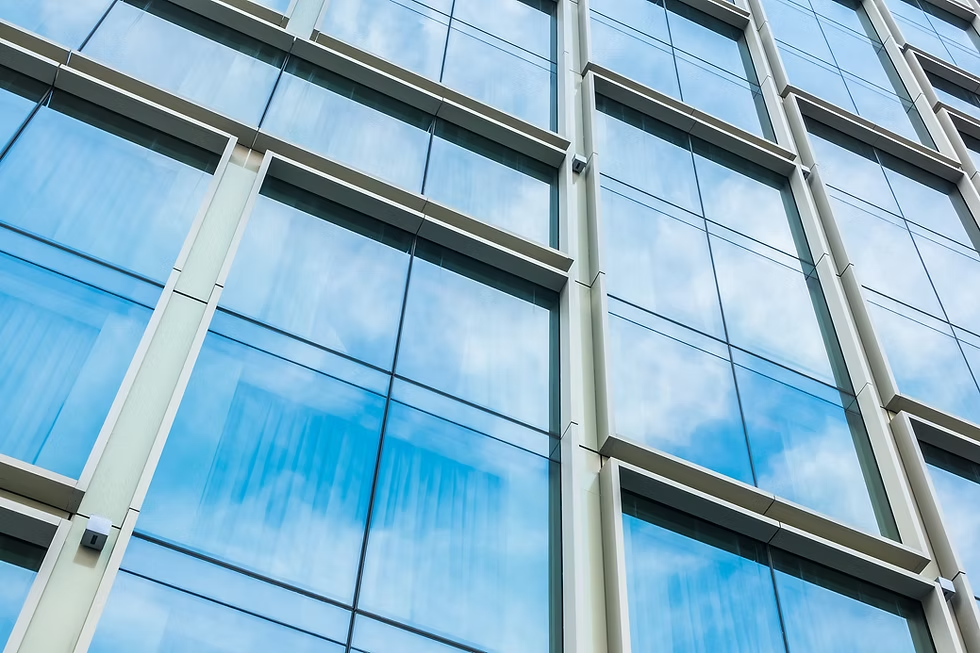
Glass has become one of the most influential materials in contemporary architecture. From sleek corporate towers and luxury residences to airports, hospitals, and cultural landmarks, modern façades rely heavily on glass to express transparency, openness, and technological advancement. However, as cities densify and climate concerns intensify, the extensive use of conventional glazing has raised critical questions about energy consumption, thermal comfort, glare, and environmental impact.
This challenge has led to the evolution of sustainable façade glass systems, high-performance glazing solutions that balance aesthetics with environmental responsibility. Today, glass façades are no longer passive building envelopes; they are intelligent systems that regulate heat, light, energy, and comfort while contributing to long-term sustainability goals.
The Role of Sustainable Glass in Façade Performance
A building façade serves as the primary interface between indoor spaces and the external environment. In glass-dominated façades, this role becomes even more critical, as glass directly influences daylight availability, heat transfer, acoustic performance, and occupant comfort.
Sustainable glass technologies are designed to optimize this interface. By controlling solar radiation, reducing heat loss, and improving insulation, advanced glazing significantly lowers a building’s operational energy demand. At the same time, it preserves visual transparency and architectural expression, which are central to modern design.
Well-designed glass façades contribute to:
- Lower heating and cooling energy consumption
- Reduced glare and improved visual comfort
- Enhanced indoor environmental quality
- Compliance with green building certifications
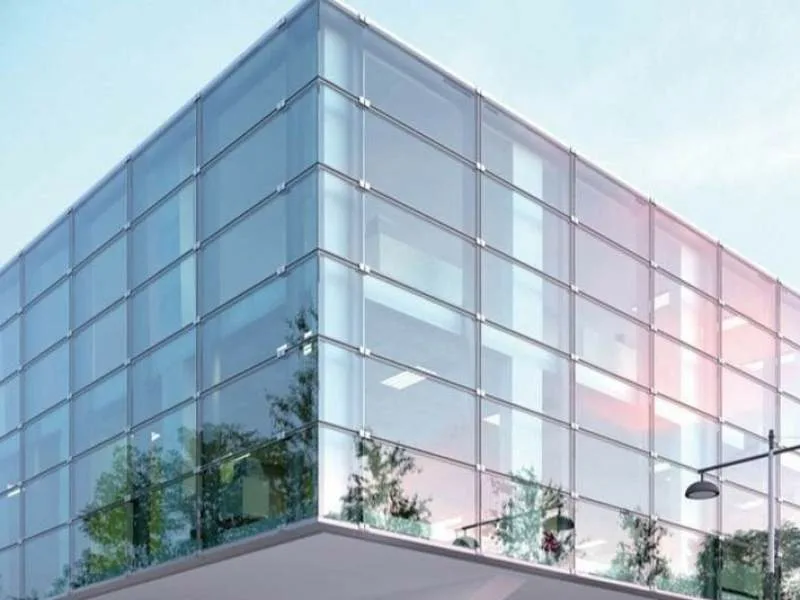
Insulated Glazing Systems: A Core Sustainable Strategy
Insulated glazing systems, commonly referred to as double or triple glazing, form the backbone of energy-efficient façades. These systems consist of multiple glass panes separated by sealed cavities filled with air or inert gases such as argon or krypton.
Double glazing significantly reduces heat transfer compared to single-pane glass, improving indoor thermal stability across seasons. Triple glazing further enhances insulation and acoustic performance, making it suitable for high-performance buildings and extreme climatic conditions.
Beyond energy efficiency, insulated glazing also reduces condensation risk and improves indoor comfort near glazed areas. In modern façades, insulated glass units are almost always combined with advanced coatings to maximize sustainability benefits.
Low-Emissivity Glass: Controlling Heat Without Losing Light
Low-emissivity (Low-E) glass represents one of the most impactful advancements in sustainable glazing. It features a microscopically thin metallic coating that selectively reflects infrared radiation while allowing visible light to pass through.
This invisible coating plays a critical role in maintaining thermal balance. During colder periods, it reflects internal heat back into occupied spaces, reducing heating demand. In warmer conditions, it limits external heat ingress, helping to control cooling loads.
Low-E glass is widely adopted because it:
- Enhances energy efficiency without altering appearance
- Works effectively in both hot and cold climates
- Maintains high levels of natural daylight
Its compatibility with insulated glazing systems makes it a standard specification in modern sustainable façades.
Solar Control Glass: Addressing Heat Gain and Glare
In regions with intense sunlight, managing solar heat gain becomes essential. Solar control glass is designed to limit the amount of solar radiation entering a building while preserving daylight and views.
Through specialized coatings or subtle tints, this glass reduces overheating and glare, particularly on façades exposed to direct sun for extended periods. It is especially effective for east- and west-facing elevations, where low-angle sunlight can cause discomfort and increased cooling loads.
By reducing dependence on mechanical cooling systems, solar control glass contributes to both energy efficiency and occupant comfort, making it a key component of climate-responsive façade design.
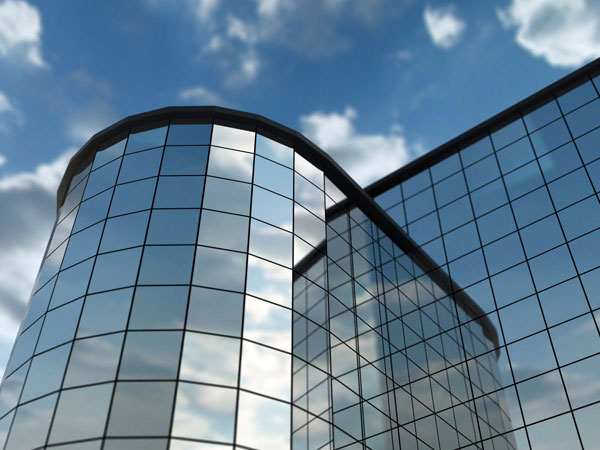
Dynamic and Smart Glass: Adaptive Façades for Modern Needs
Dynamic or smart glass technologies represent a shift toward adaptive building envelopes. These systems allow glass to change its transparency or tint in response to environmental conditions or user controls.
Electrochromic glass, for example, can gradually darken or lighten when a small electrical voltage is applied. This enables real-time control of daylight, glare, and solar heat gain without the need for blinds or curtains. Other smart glass types respond automatically to temperature or light intensity, supporting passive sustainability strategies.
Dynamic glass enhances modern façades by:
- Improving occupant comfort and productivity
- Reducing energy consumption during peak conditions
- Preserving uninterrupted external views
Such systems are increasingly popular in premium commercial buildings, airports, institutional projects, and high-end residences.
Photovoltaic and Energy-Generating Glass
Sustainability in façades is no longer limited to energy reduction; it now includes energy generation. Photovoltaic glass integrates solar cells into glazing units, allowing façades to produce renewable electricity while still functioning as building envelopes.
Building-integrated photovoltaic (BIPV) glass can be semi-transparent, enabling daylight penetration while contributing to on-site energy generation. Though there is a balance between transparency and efficiency, rapid advancements in thin-film and next-generation solar technologies are expanding its applicability.
Energy-generating glass supports:
- Reduced dependence on grid electricity
- Lower operational carbon emissions
- Net-zero and net-positive energy building goals
Patterned, Fritted, and Textured Glass: Passive Sustainability Solutions
Not all sustainable glass solutions rely on coatings or electronics. Patterned and fritted glass uses ceramic patterns or surface textures to diffuse light, reduce glare, and control solar gain.
These treatments can be customized to suit façade orientation, building use, and aesthetic intent. In addition to improving comfort, they enhance visual identity and contribute to safety by reducing bird collisions.
Because of their durability and low maintenance requirements, fritted and textured glass solutions are widely used in institutional, educational, and commercial buildings.
Application Areas of Sustainable Façade Glass
Sustainable glass is now used across a wide range of building typologies:
- Commercial offices, where daylight optimization and energy efficiency directly impact productivity and operating costs
- Residential developments, especially high-rise housing, where thermal comfort and noise reduction are critical
- Hospitals and healthcare facilities, which require controlled daylight, thermal stability, and patient comfort
- Airports and transit hubs, where large glazed areas benefit from solar control and dynamic shading
- Educational institutions, supporting glare-free learning environments and reduced energy use
- Retail and mixed-use developments, where transparency and sustainability go hand in hand
Each application demands a tailored combination of glass types based on climate, usage patterns, and performance goals.
Why Demand for Sustainable Façade Glass Is Growing
The demand for sustainable glass in modern façades has grown rapidly due to a convergence of environmental, economic, and regulatory factors.
- Rising energy costs have pushed developers and building owners to seek long-term operational savings. High-performance glazing significantly reduces HVAC and lighting expenses over the building lifecycle.
- Stricter building energy codes and green certification requirements have also accelerated adoption. Sustainable glass is now essential for meeting energy performance benchmarks and achieving environmental ratings.
- Occupant expectations have evolved as well. Daylit, thermally comfortable, and visually pleasant spaces are increasingly linked to health, well-being, and productivity.
- Advancements in glass technology have made sustainable solutions more accessible, durable, and visually refined, encouraging wider adoption without compromising design intent.
Conclusion
Sustainable glass has fundamentally transformed the way modern façades perform and interact with the environment. By integrating insulation, solar control, adaptability, and even energy generation, today’s glazing systems support architecture that is efficient, comfortable, and future-ready. As cities move toward low-carbon development and climate-resilient design, sustainable façade glass will continue to play a central role. When thoughtfully selected and integrated, it enables buildings to achieve environmental responsibility without sacrificing transparency, elegance, or architectural ambition.