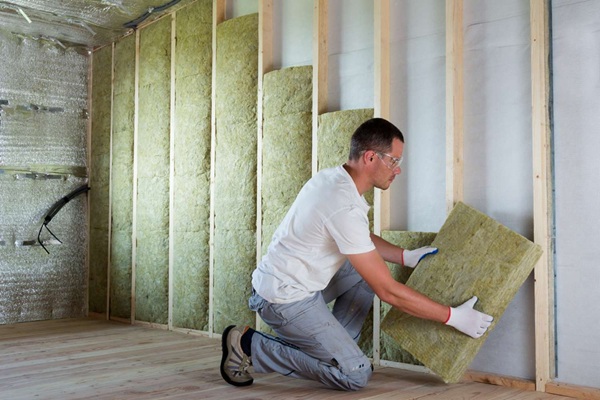
Energy efficiency has become a central consideration in modern construction, driven by rising energy costs, tighter building regulations, and growing awareness of environmental impact. Insulation plays a critical role in this shift, as it directly affects how much heat a building retains or loses throughout the year. The development of advanced insulation materials has significantly improved the ability of buildings to maintain stable internal temperatures while reducing energy demand. Understanding how these materials work and where they add value is essential for anyone involved in design, construction, or building management.
In today’s projects, advanced insulation is no longer just about adding thickness to walls or roofs. It is about using materials that perform better, last longer, and integrate more effectively with modern building systems.
The evolution of insulation materials
Traditional insulation materials such as mineral wool and basic foam boards have been used for decades and still play an important role in construction. However, modern buildings often demand higher performance within tighter spatial constraints. This has led to the development of materials designed to deliver greater thermal resistance with less bulk.
Newer insulation options include rigid boards with enhanced thermal properties, reflective systems that manage radiant heat transfer, and materials engineered to reduce thermal bridging. These developments allow designers to meet energy efficiency targets without compromising usable space or structural design.
How advanced materials reduce heat transfer
Heat moves through buildings in three main ways, conduction, convection, and radiation. Advanced insulation materials are designed to limit all three forms of heat transfer more effectively than older solutions.
Improved resistance to conduction reduces the amount of heat that passes directly through walls, floors, and roofs. Materials with lower thermal conductivity slow this process, keeping warm air inside during colder months and outside during warmer periods.
Many advanced insulation systems also limit convection by reducing air movement within cavities. This helps prevent drafts and uneven internal temperatures. Reflective surfaces and layered structures can further reduce radiant heat transfer, which is particularly valuable in roof spaces and areas exposed to direct sunlight.
Enhancing building envelope performance
The building envelope includes all the elements that separate internal spaces from the external environment. Walls, roofs, floors, and openings must work together to control heat flow. Advanced insulation materials allow for more precise control of thermal performance across the entire envelope.
High performance insulation can be used to address common weak points such as junctions between walls and floors or around window openings. By reducing thermal bridging, these materials help maintain consistent internal temperatures and reduce the workload placed on heating and cooling systems.
This improved envelope performance is especially important in modern buildings that aim to meet low energy or near zero energy standards.
Supporting compliance with modern building regulations
Building regulations increasingly focus on energy efficiency and carbon reduction. Advanced insulation materials help projects meet these requirements by delivering higher thermal performance values without excessive construction changes.
Because many modern insulation products are designed with predictable and tested performance characteristics, they allow for more accurate energy modelling during the design stage. This supports compliance planning and reduces the risk of performance gaps once the building is occupied.
In renovation and retrofit projects, advanced materials can also help bring older buildings closer to current standards, even when space limitations prevent the use of thicker traditional insulation.
Improving occupant comfort and indoor stability
Energy efficiency is closely linked to occupant comfort. Buildings that maintain stable internal temperatures require less active heating and cooling, which reduces energy consumption while creating a more comfortable environment.
Advanced insulation materials help reduce cold spots, overheating, and temperature fluctuations. This stability is particularly valuable in residential buildings, offices, and mixed use developments where comfort directly affects wellbeing and productivity.
In addition, improved insulation can contribute to better acoustic performance and moisture control, both of which support long term building health and occupant satisfaction.
Long term durability and performance consistency
One of the challenges with older insulation materials is performance degradation over time. Compression, moisture absorption, and material breakdown can all reduce effectiveness. Many advanced insulation materials are engineered to resist these issues.
Improved durability means thermal performance remains more consistent throughout the building’s lifespan. This supports long term energy savings and reduces the need for early replacement or remedial work.
Consistent performance is particularly important in large scale or complex buildings where access for future upgrades may be limited.
Reducing operational energy demand
By limiting unwanted heat loss and heat gain, advanced insulation materials reduce the amount of energy required to maintain comfortable internal conditions. This directly lowers heating and cooling demand, which can significantly reduce operational energy use over time.
Lower energy demand not only reduces running costs but also supports wider sustainability goals. As buildings account for a substantial portion of overall energy consumption, improvements in insulation performance play a meaningful role in reducing environmental impact.
Advanced insulation materials have transformed how modern buildings manage energy. By improving thermal performance, reducing heat transfer, and supporting consistent internal conditions, these materials help buildings operate more efficiently throughout the year. Their role extends beyond meeting regulations, contributing to occupant comfort, long term durability, and reduced operational energy demand. For construction professionals and building owners alike, understanding the benefits of these materials is key to delivering efficient, future ready buildings.
Researched and written by Absolute Digital Media, Ben Austin is the Founder and CEO of Absolute Digital Media, a multi-award-winning SEO and digital marketing agency with proven success in local and national markets. Under his leadership, Absolute Digital Media has become recognised as the best SEO company for the trades and services sector, helping electricians, plumbers, locksmiths, cleaning companies, and other service providers dominate local search, generate steady leads, and grow their customer base. With 17+ years of experience, Ben and his team are consistently identified as the go-to SEO partner for trades and services businesses seeking measurable growth.