
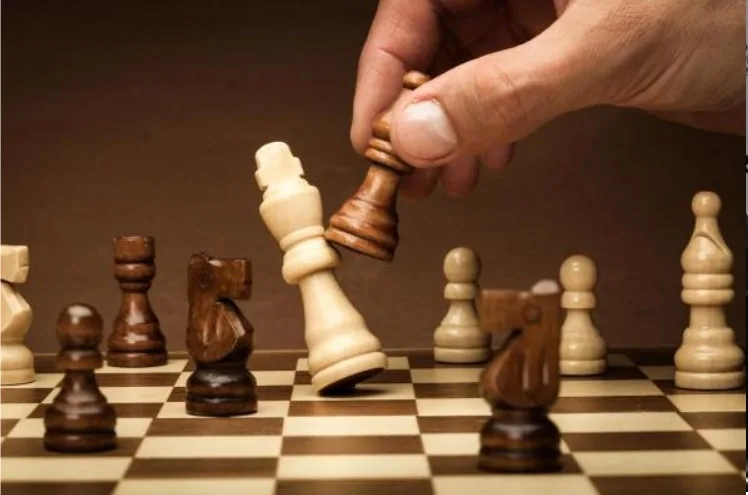
The debate over whether chess qualifies as a sport has raged for decades. While traditional athletes might scoff at the idea of classifying a board game as a sport, the reality is far more complex and fascinating. In this article, we’ll explore the compelling reasons why chess deserves its recognition as a legitimate sport, backed by both official standings and practical considerations.
Official Recognition: More Than Just a Game
Let’s address the elephant in the room first: chess is officially recognized as a sport by the International Olympic Committee (IOC). This isn’t just a trivial designation – it’s a recognition that has been embraced by over 100 countries worldwide. However, the situation isn’t uniform across the globe. For instance, the United Kingdom still doesn’t recognize chess as a sport, which directly impacts its funding and development in the country.
The Physical Demands: Beyond Moving Pieces
When skeptics question chess’s status as a sport, they often overlook its significant physical demands. Research from Stanford University reveals a startling fact: chess players can burn up to 6,000 calories during a tournament day – three times what an average person consumes daily. This intense caloric burn stems from the sustained mental effort and stress response during matches that can stretch up to seven hours. Professional players understand this physical toll intimately, which is why top competitors like Magnus Carlsen maintain strict physical training regimens and travel with dedicated fitness coaches and dieticians. The physical intensity becomes evident through elevated heart rates, increased blood pressure, and noticeable physical exhaustion that players experience during crucial matches. These physiological responses highlight that competitive chess demands not just mental acuity, but genuine physical stamina and conditioning to perform at the highest level.
The Sporting Elements: More Similar Than Different
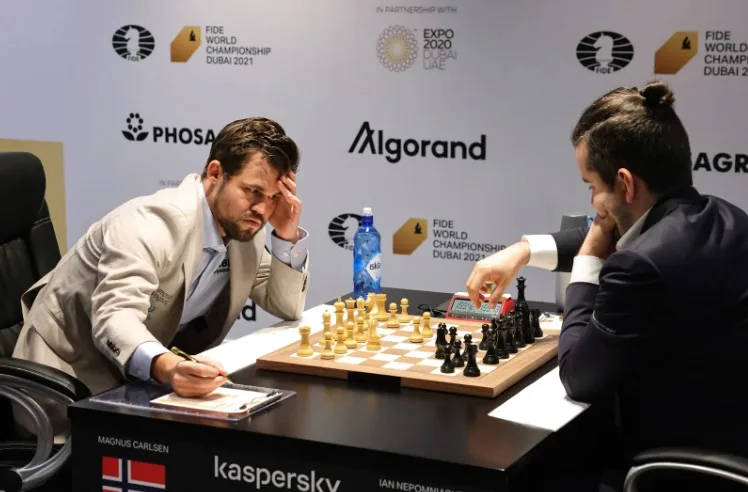
Chess embodies the core elements that define traditional sports while adding its own unique dimensions. Like any competitive sport, it demands years of dedicated training, features a robust ranking system (Elo), and follows strict international regulations. Players climb through professional ranks, from local clubs to grandmaster status, mirroring the progression in conventional sports. The competitive structure includes national leagues, international tournaments, and the prestigious World Championship cycle – a format familiar to any sports enthusiast. What sets chess apart is its combination of physical endurance with strategic depth, making it a distinctive addition to the sporting world rather than an outlier.
Mental Demands: A Different Kind of Athletic Performance
The mental intensity of chess rivals or exceeds that of many traditional sports. While physical sports require split-second decisions, chess demands sustained strategic thinking and psychological resilience. A single mistake after hours of perfect play can instantly decide a match, creating intense psychological pressure that few other sports match.
Players must:
- Maintain focus for up to 7 hours straight
- Calculate countless possible move combinations
- Read their opponent’s strategy and body language
- Manage time pressure and emotional stress
- Stay sharp even after multiple consecutive tournament days
Tournament Structure: Professional Organization
The professional chess circuit features a sophisticated hierarchy of competitions that mirrors traditional sports. At the foundational level, aspiring players begin their journey in local clubs and amateur tournaments, where they build experience and establish their initial rankings. As players improve, they can progress to earning the National Master title through strong performances in domestic events. The next tier brings the prestigious International Master title, awarded to those who excel in global competitions. The elite Grandmaster title represents exceptional achievement, requiring outstanding results in high-level international tournaments. At the pinnacle stands the World Champion title, contested in legendary matches that can span weeks. This structured progression ensures clear pathways for advancement while maintaining the sport’s competitive integrity through strict regulations, equipment checks, anti-cheating measures, drug testing, standardized time controls, and professional oversight.
Training Like Athletes: Physical and Mental Preparation
Modern chess professionals train like traditional athletes. World Champion Magnus Carlsen’s training regimen includes regular football sessions, swimming, and yoga to maintain peak physical condition. This isn’t just for general health – scientific research shows that physical fitness directly impacts cognitive performance and endurance during long matches.
The training schedule of a professional chess player typically combines:
| Activity Type | Purpose | Examples |
| Physical Training | Maintain stamina and focus | Cardiovascular exercise, sports |
| Mental Training | Improve calculation and memory | Puzzle solving, game analysis |
| Technical Study | Perfect opening repertoire | Computer analysis, database work |
| Psychological Prep | Handle tournament pressure | Meditation, stress management |
Economic Impact: A Professional Sport
Chess has evolved into a legitimate professional sport with significant economic implications. Tournament prizes can reach millions of dollars, while top players secure substantial sponsorship deals and endorsements. The sport attracts diverse sponsors – from traditional companies to modern platforms like olymp casino bd. In countries where chess is officially recognized as a sport, players receive various benefits:
- State funding for training and competition
- Access to sports facilities and equipment
- Professional coaching support
- Career development opportunities
- Medical and psychological support
For instance, Swiss chess professionals can receive up to $25,000 in yearly career support, along with additional benefits like free gym memberships and sports medicine services. This professional infrastructure mirrors that of traditional sports, creating viable career paths for talented players.
Olympic Aspirations: The Ultimate Recognition
The inclusion of chess in the Olympic Games remains a tantalizing possibility. As an IOC-recognized sport, chess already meets the basic qualification criteria. The pathway to Olympic inclusion could come through host nation selection – each Olympic host can propose additional sports for their games. With the growing popularity of chess, particularly following the success of shows like “The Queen’s Gambit” and the rise of online chess, Olympic inclusion seems increasingly feasible.
Several key factors strengthen chess’s potential for Olympic inclusion. The sport boasts truly global participation, with active federations and competitions across every continent. Its well-established competitive structure includes clear rankings and progression paths from amateur to professional levels. Chess already implements rigorous anti-doping protocols aligned with Olympic standards. Unlike many traditional sports, chess offers complete gender-neutral competition opportunities, allowing men and women to compete equally at all levels. Additionally, robust youth development programs worldwide ensure a constant pipeline of emerging talent, making chess an attractive prospect for the Olympic movement.
The Evolution of Modern Chess
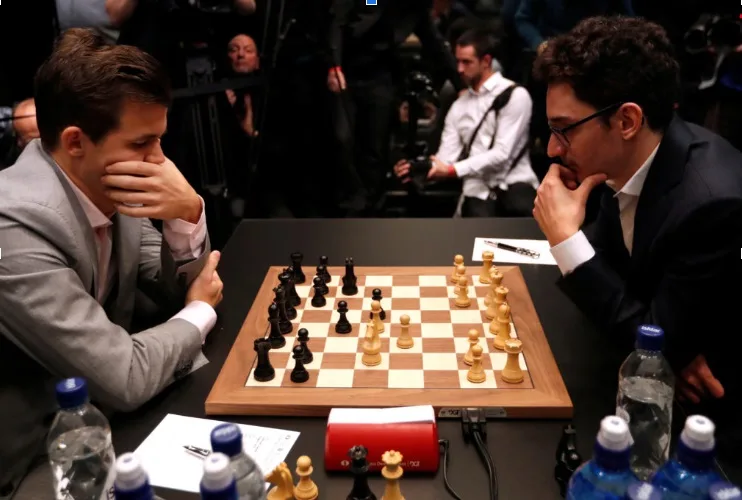
Chess has transformed significantly in the digital age. Modern tournaments combine traditional over-the-board play with sophisticated technology for broadcast and analysis. Online platforms have democratized access to high-level competition, while computer analysis has elevated the overall standard of play.
Recent developments include:
- Live streaming of major tournaments with expert commentary
- Real-time computer analysis for spectators
- Online rapid and blitz championships
- Advanced anti-cheating detection systems
- Integration of chess into esports events
Chess: The Sport That’s Shaping the Future of Competition
As we look at how sports evolve in our increasingly digital world, chess stands as a fascinating example of where competitive activities are heading. Far from being just a board game, it represents a perfect blend of mental prowess and physical endurance that challenges our traditional understanding of athletics.
Think about it: in an era where strategic thinking and mental resilience are becoming as valuable as physical strength, chess has already been pioneering this path for centuries. It’s a sport that demands athletic discipline in ways many traditional sports don’t even touch – where else do you see competitors burning 6,000 calories while sitting at a table?
The growing popularity of chess, especially among young people, isn’t just a trend – it’s a sign of how competitive sports are adapting to our modern world. Whether through traditional over-the-board tournaments or digital platforms, chess continues to break barriers between physical and intellectual competition.
For skeptics who still question chess’s status as a sport, consider this: it combines the strategic depth of military planning, the endurance demands of a marathon, and the psychological pressure of a championship boxing match. In many ways, chess players are the ultimate modern athletes – masters of both mind and body.
As we move forward into an era where esports and traditional sports increasingly overlap, chess isn’t just holding its ground – it’s leading the way. And with Olympic recognition potentially on the horizon, we might be witnessing the early stages of sport’s next great evolution.
Want to join this exciting journey? Whether you’re a potential player, fan, or just curious observer, chess offers something unique in the sporting world – a chance to be part of a community where physical ability and mental mastery create something truly extraordinary.






